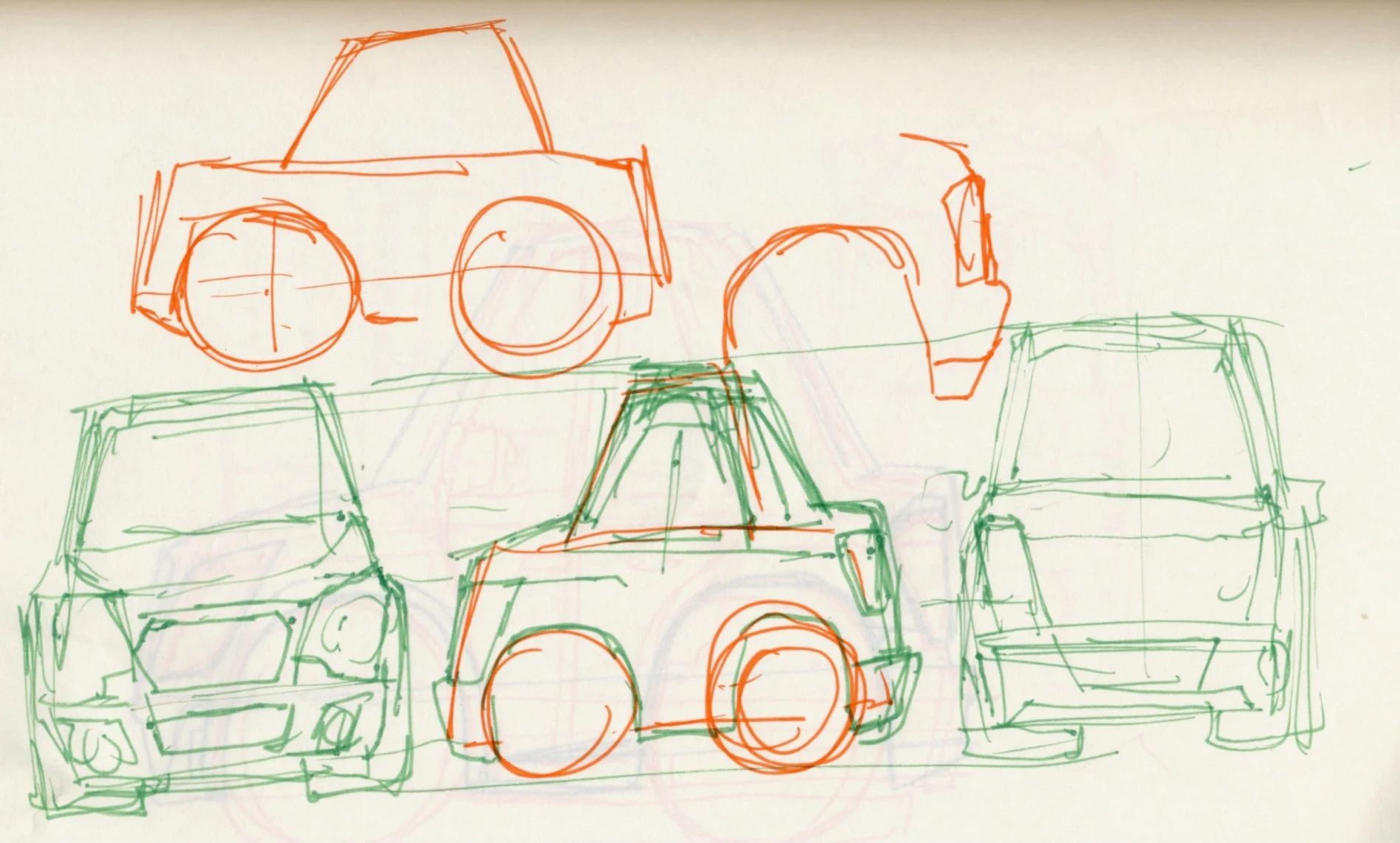
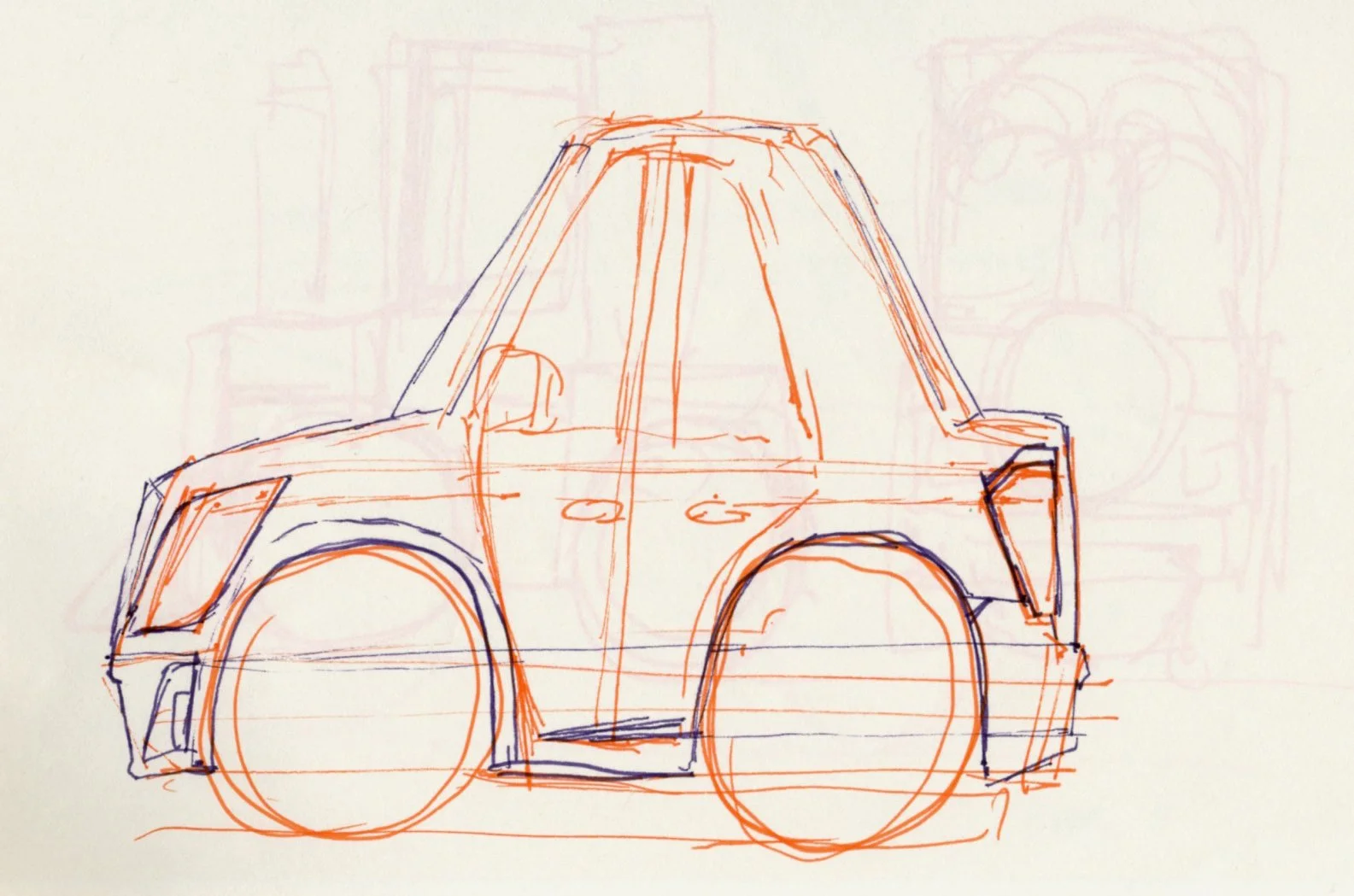
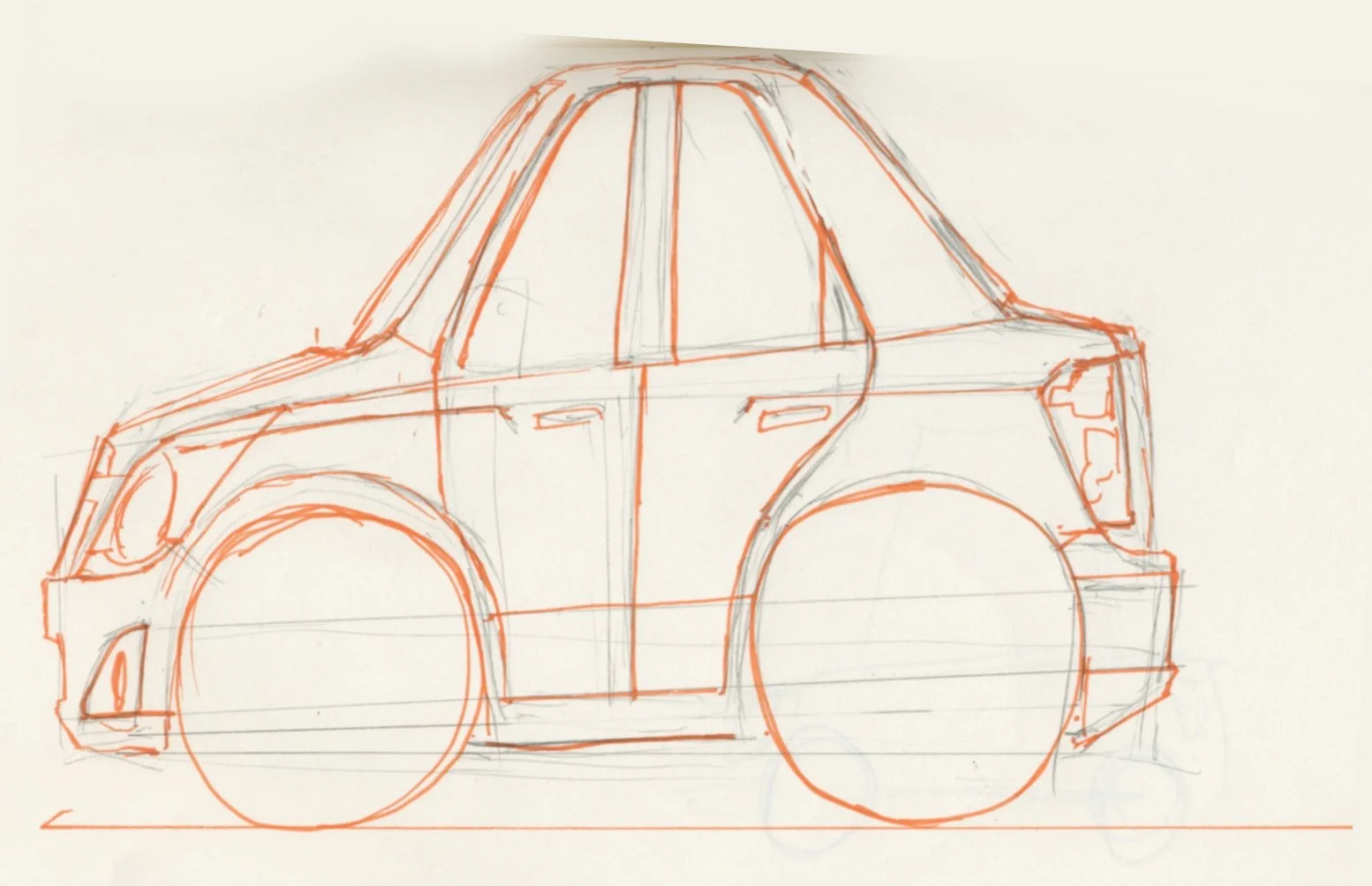
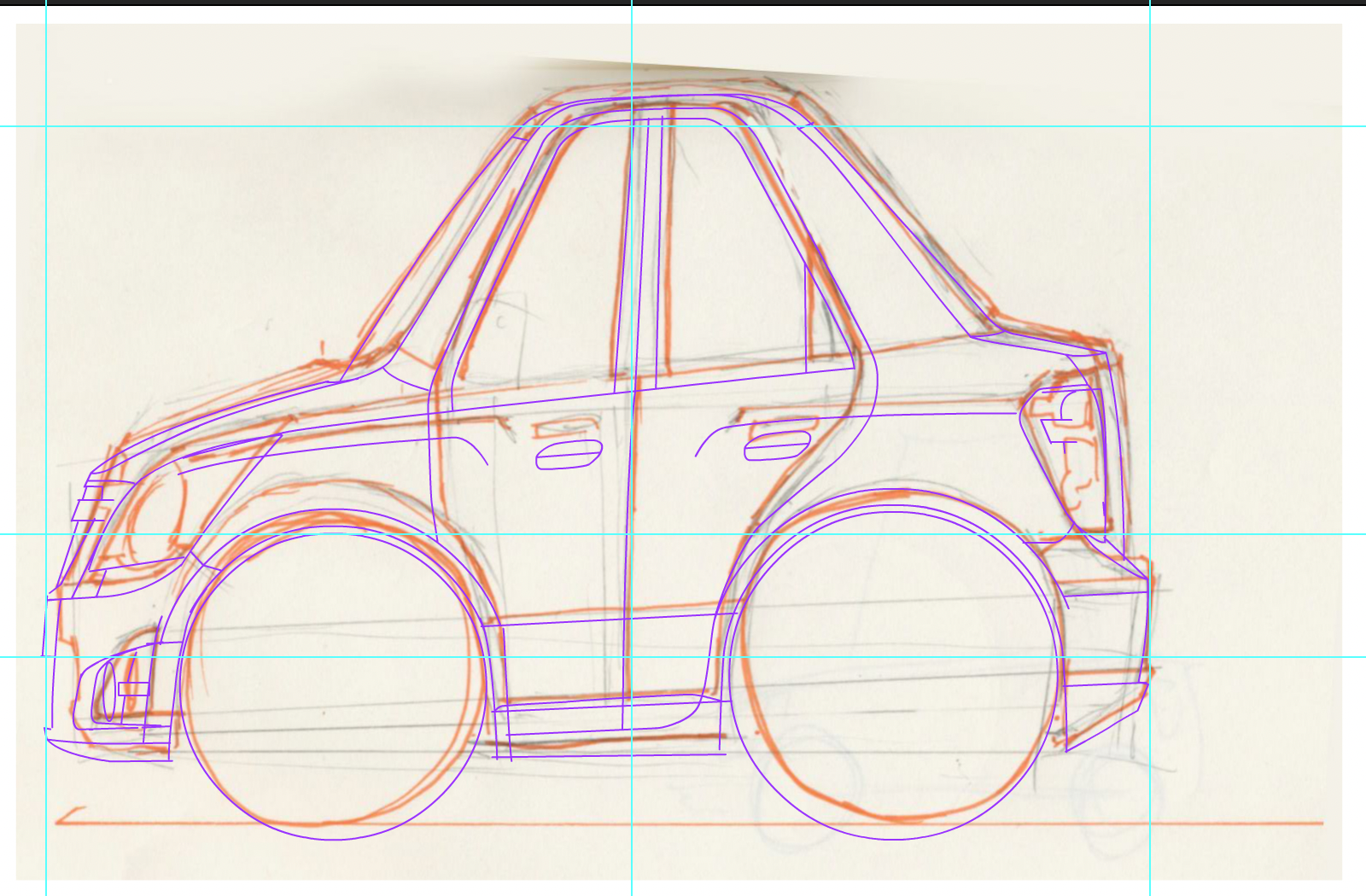
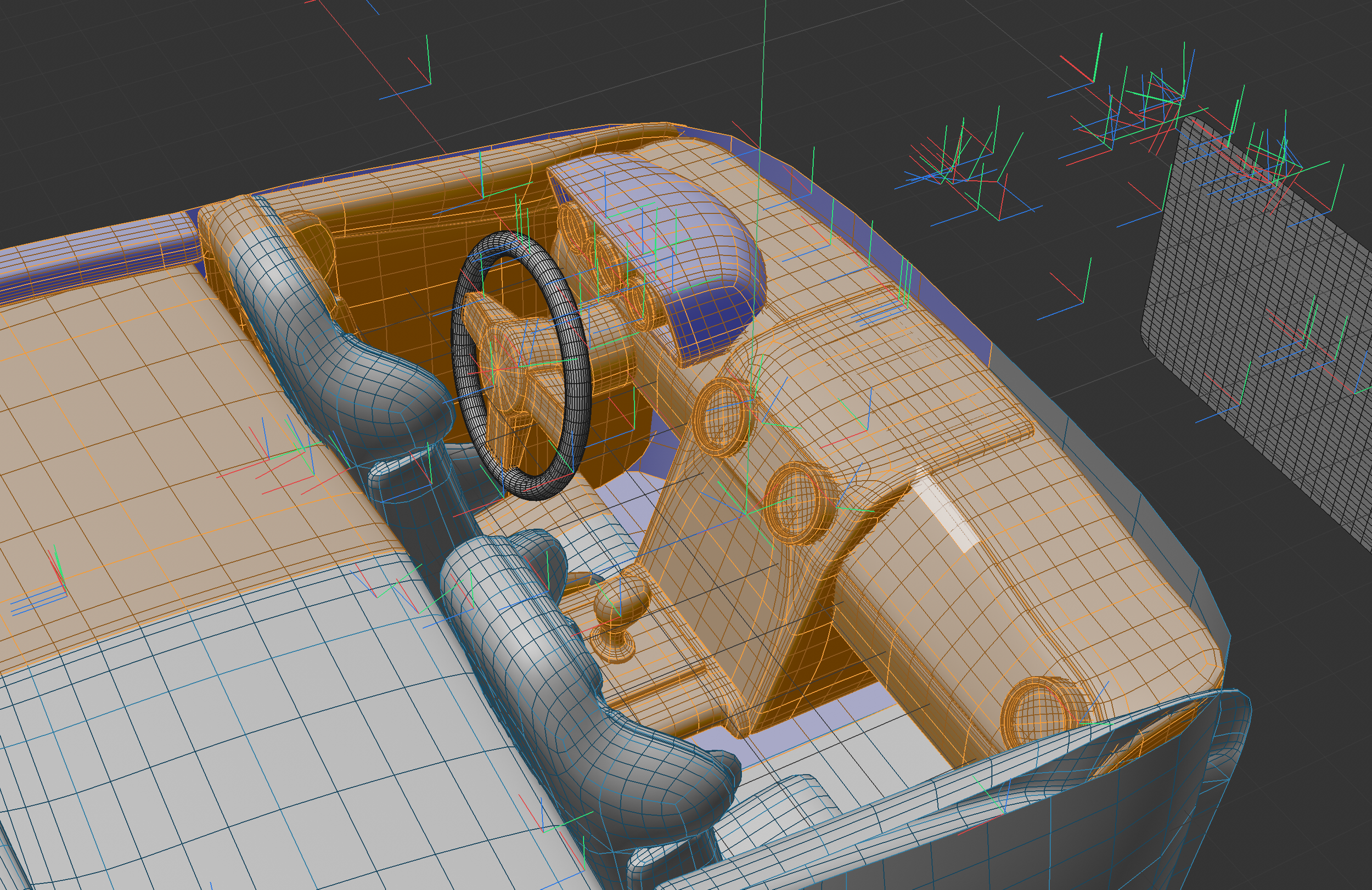
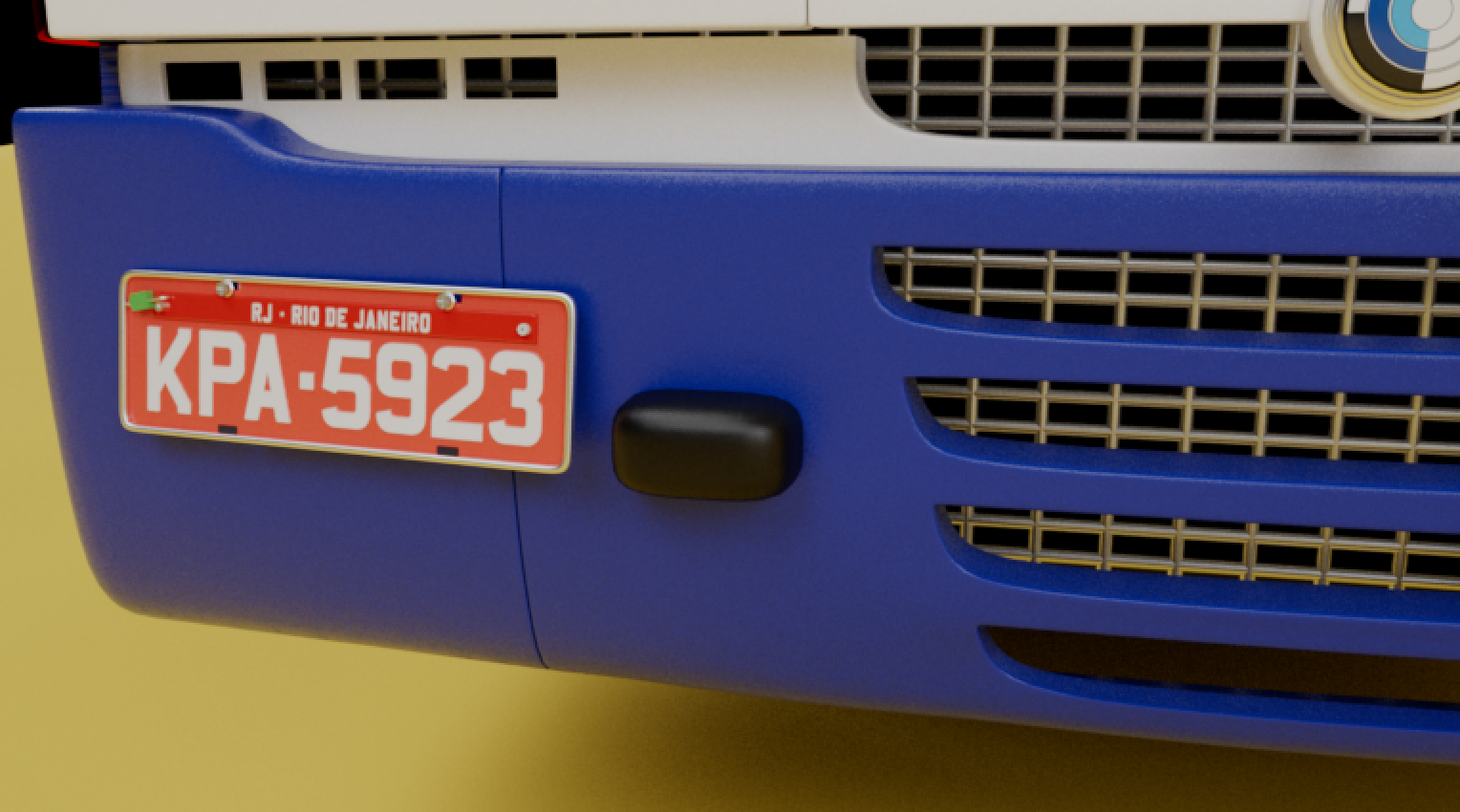
This project is born at the intersection of memory, design, and history. Drawing from a combination of childhood references, personal experiences, and my work as an animator, I develop here a series that transforms familiar Brazilian symbols into visually light objects that are nonetheless full of meaning.
*Violent and Graphic Content. Viewer discretion is advised.
Growing up in Brazil means getting used to a distorted society: a country of immense scale, with cities that are often hostile, yet contrasted by the enormous kindness of its people, where at times extreme violence coexists with tropical weather and lush nature. Like every Brazilian child in the 1980s, we were naturally exposed to news of chaos, violence, and corruption that dominated TV and radio. Without fully grasping the gravity of these incidents, I would end up repeating names and situations in my plays. As adults, we can perceive the contrast between that playful universe and the complexity of the Brazilian context.
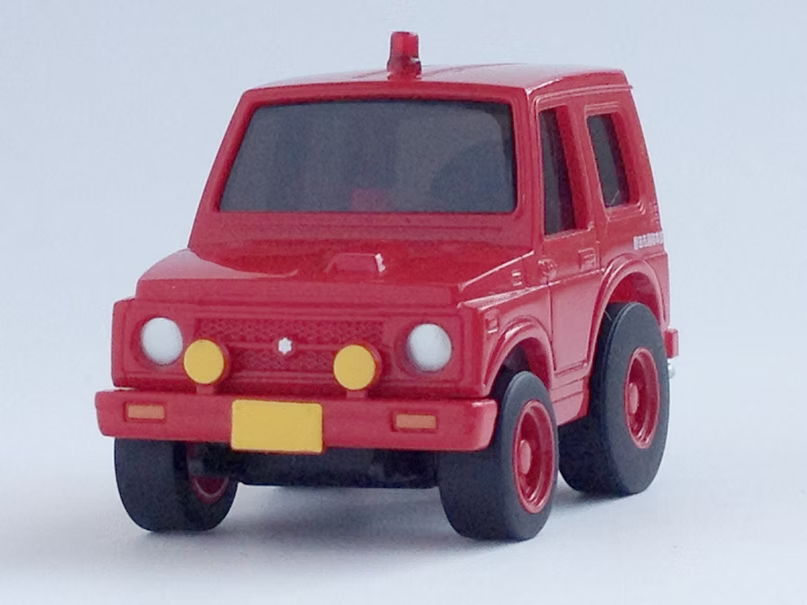
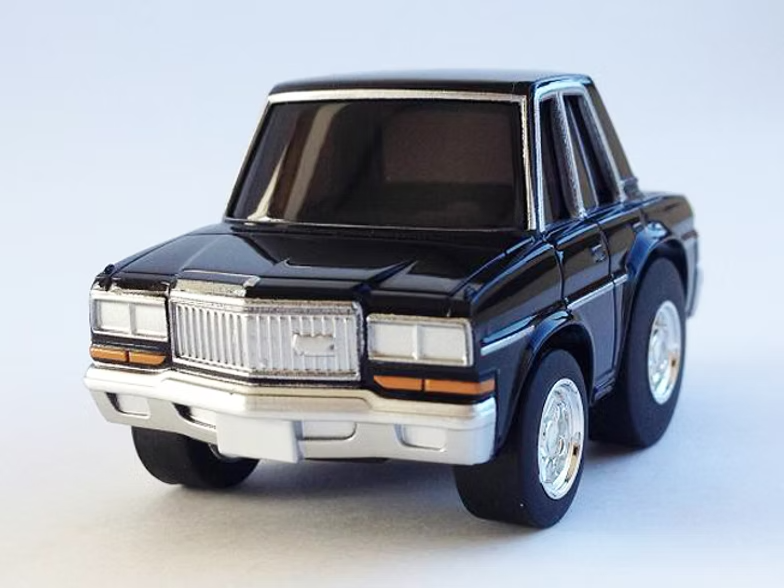
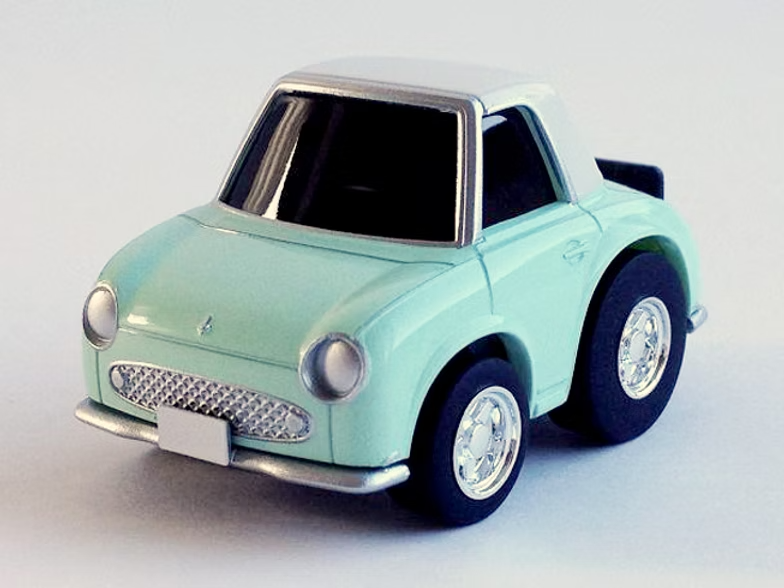
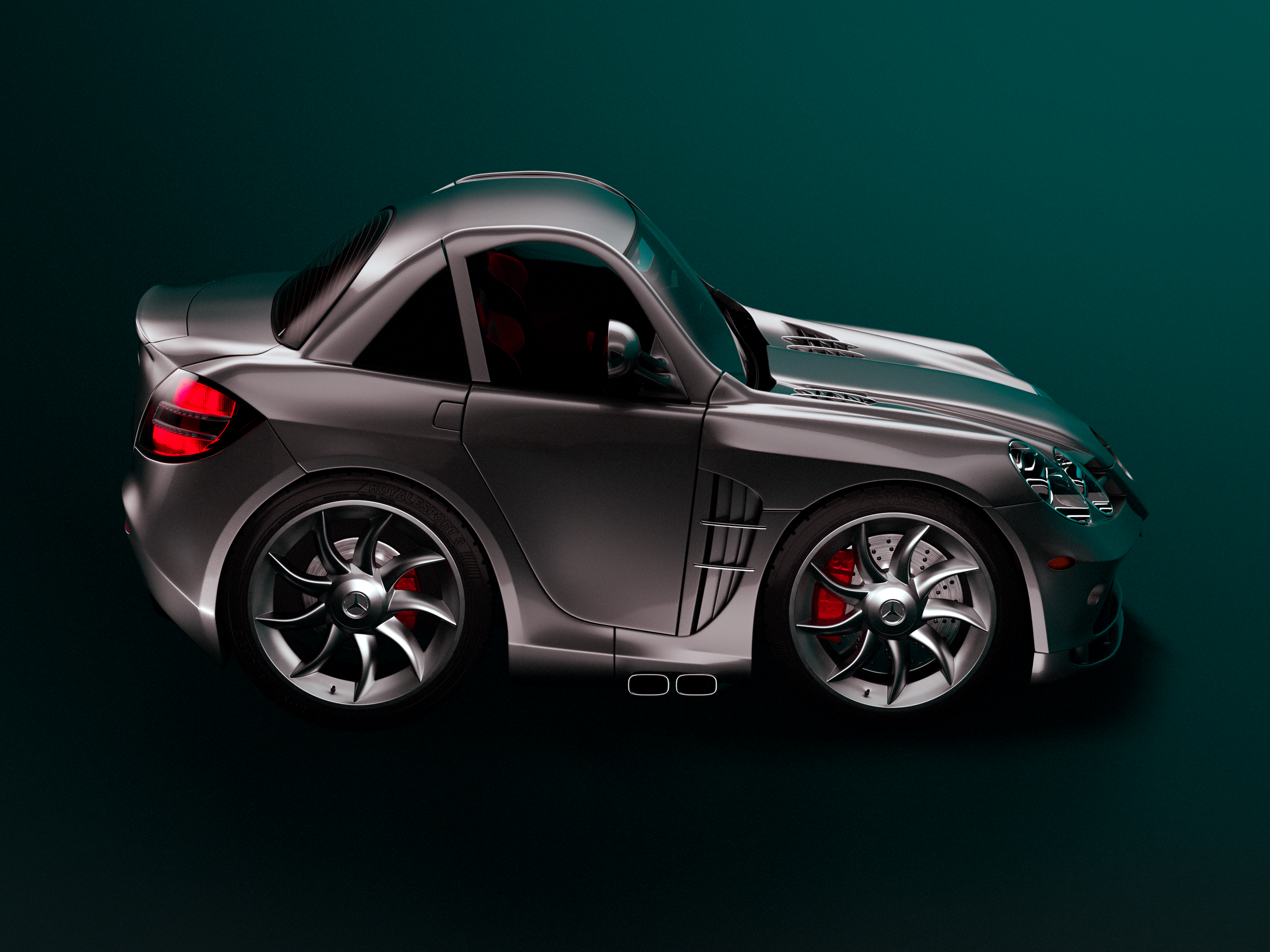
One of my favorite toys at the time was ChoroQ, super-detailed Japanese mini cars with intentionally distorted proportions, in the Chibi style, which turns objects and living beings into cute, exaggerated versions of themselves.

Living in Europe, I found relief from that chaos. I was also able to get closer to artists I admire, such as Austrian Erwin Wurm and Indonesian Ichwan Noor, who distort everyday objects and turn them into sculptures that seem to have stepped out of an animation, flawlessly executed at real scale.

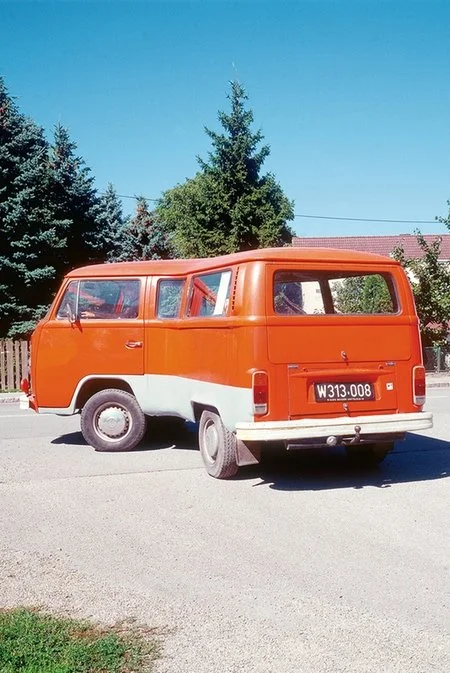
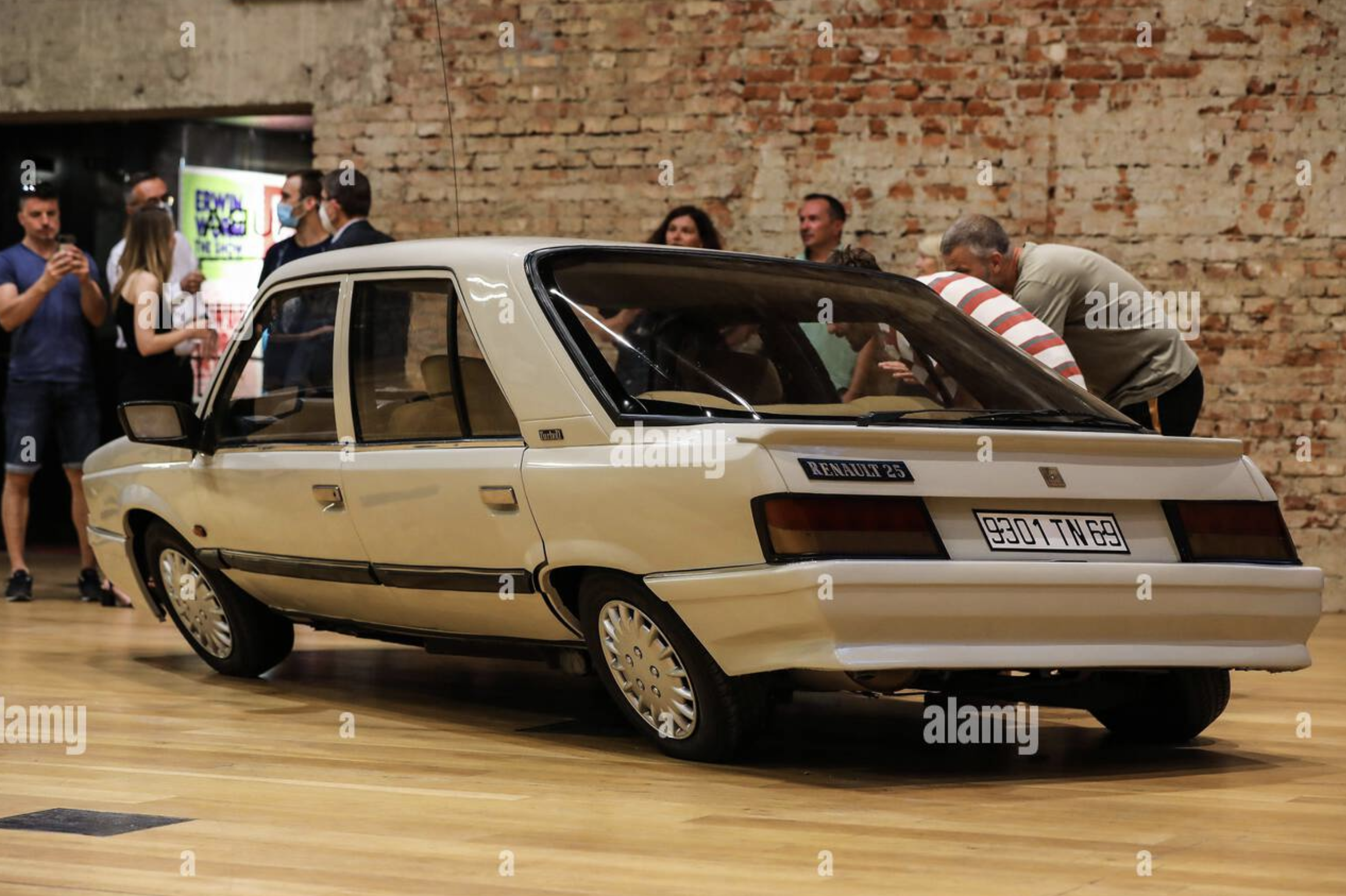
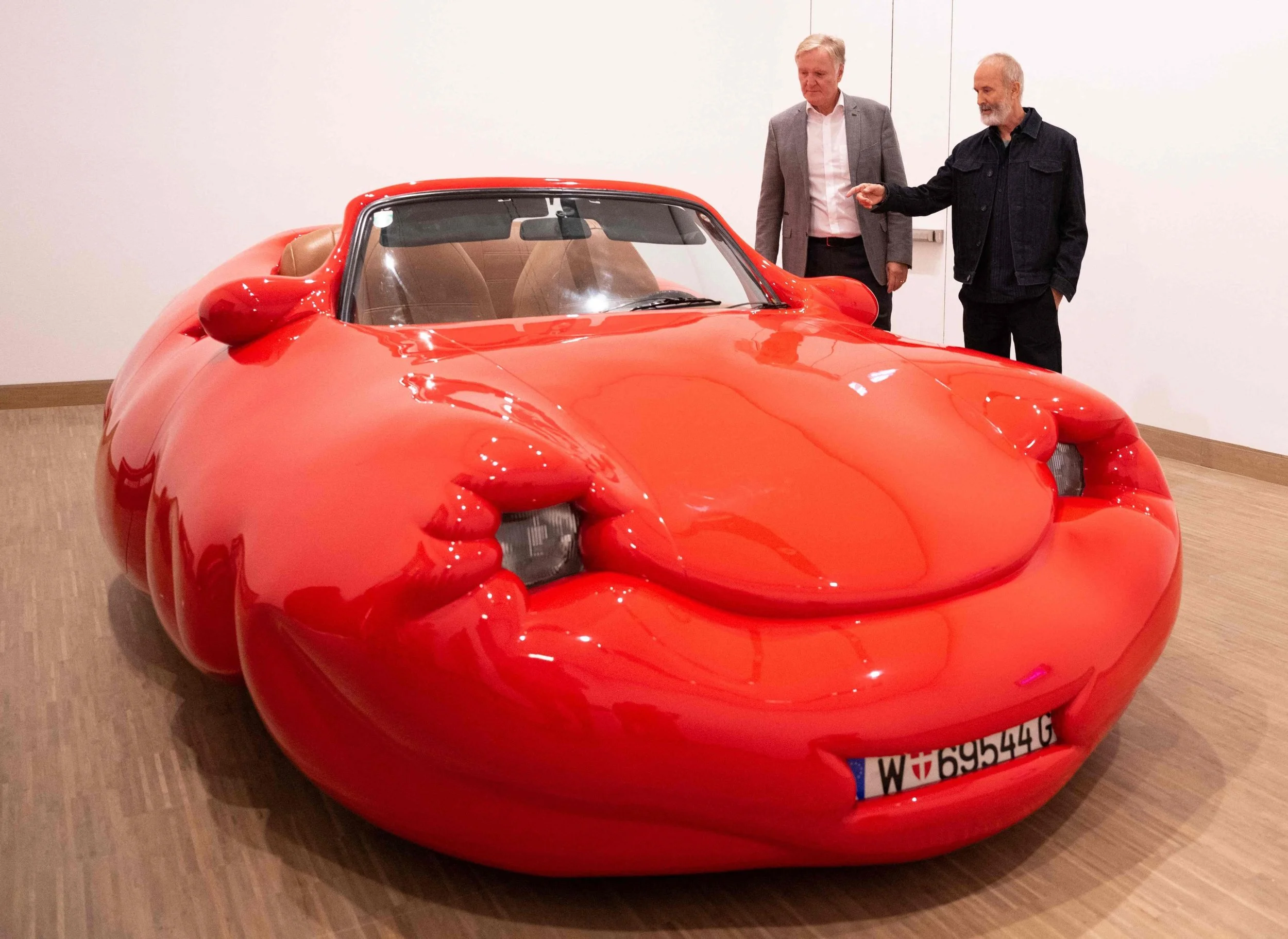
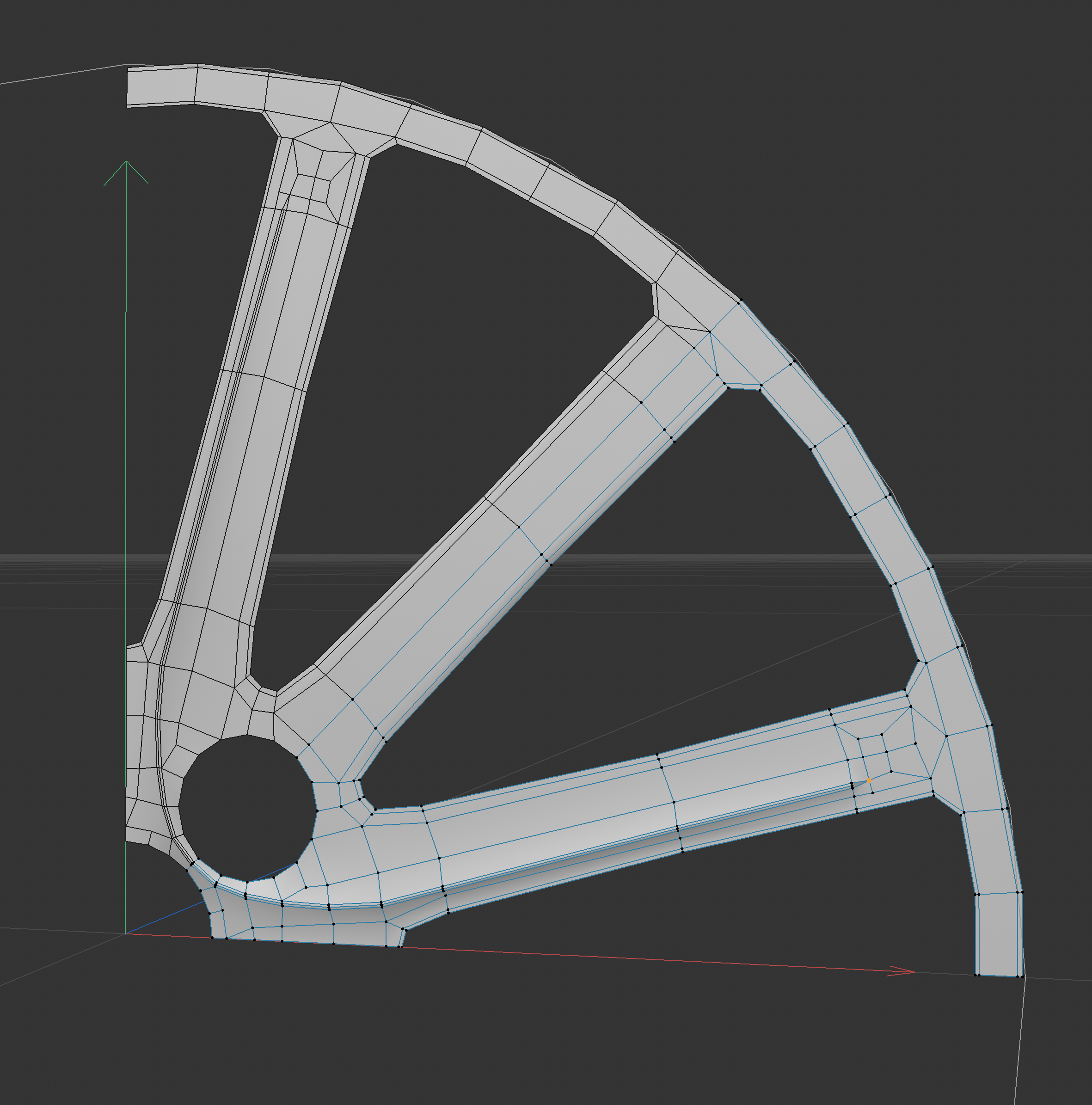
As an animator, I also recreate and distort forms to tell stories, and I’m always amazed when I see in front of me objects that could have only previously existed on a computer screen. It was from this dialogue between imagination and materiality that Cute but Twisted was born, a project that revisits part of Brazil’s history through iconic cars represented in a cute manner, yet carrying a past that is anything but innocent.
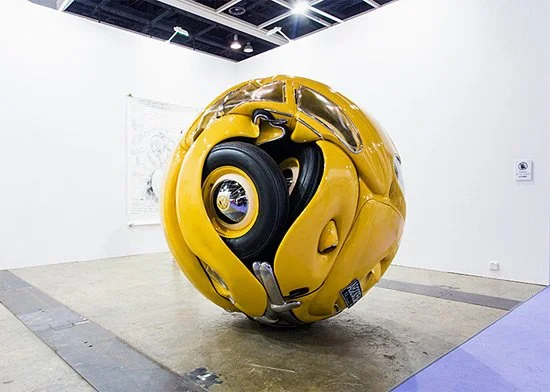
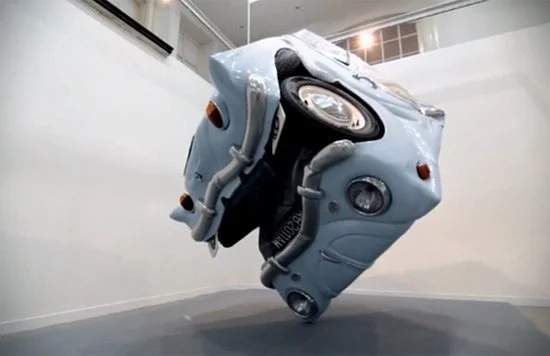
Throughout the research process, I was careful to choose vehicles that not only became famous but also played central roles in transformative events in the country’s history. The list is long, and the process of recreating and distorting each piece is meticulous, complex, and ongoing, which is why the project is always expanding.
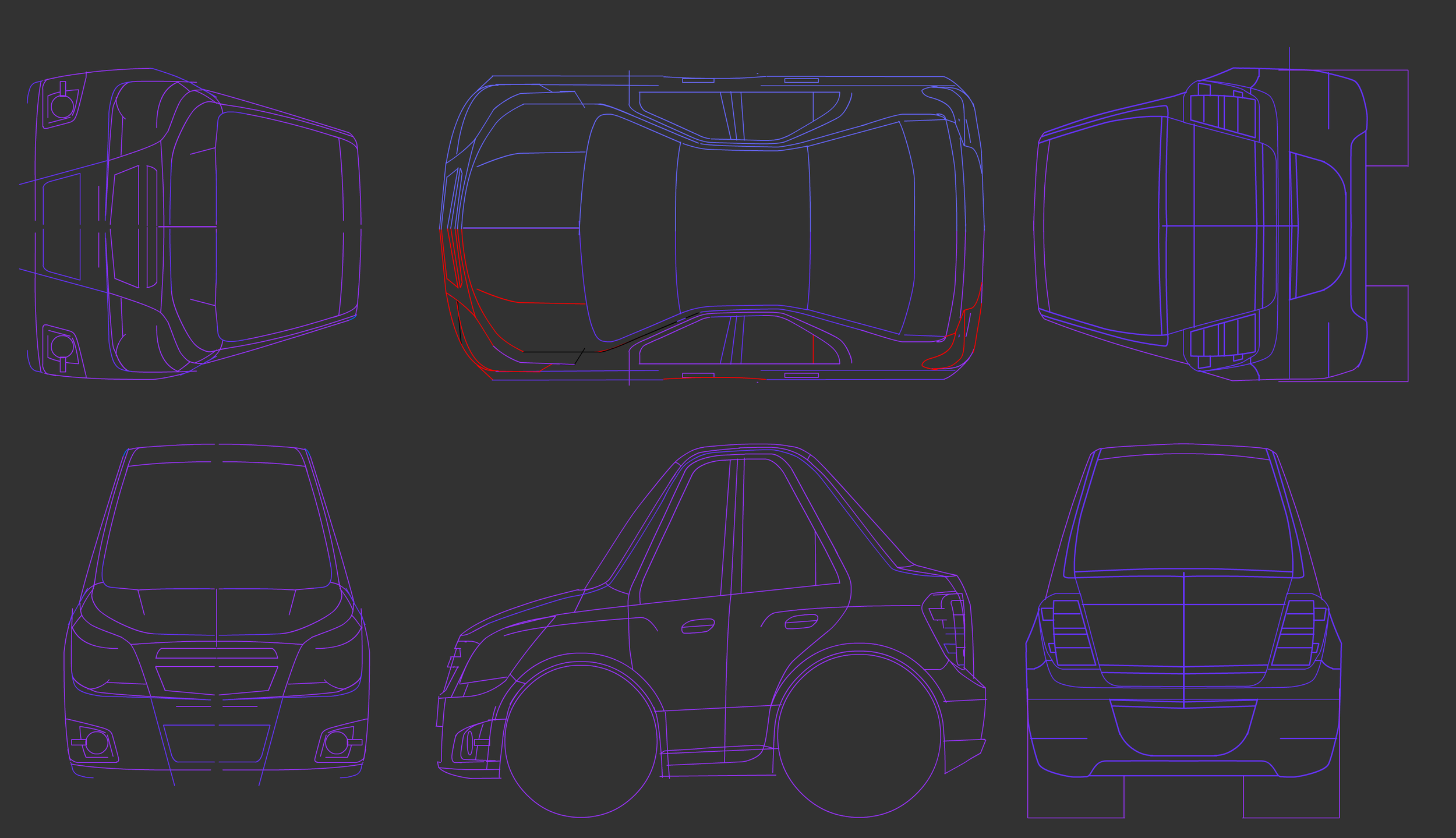
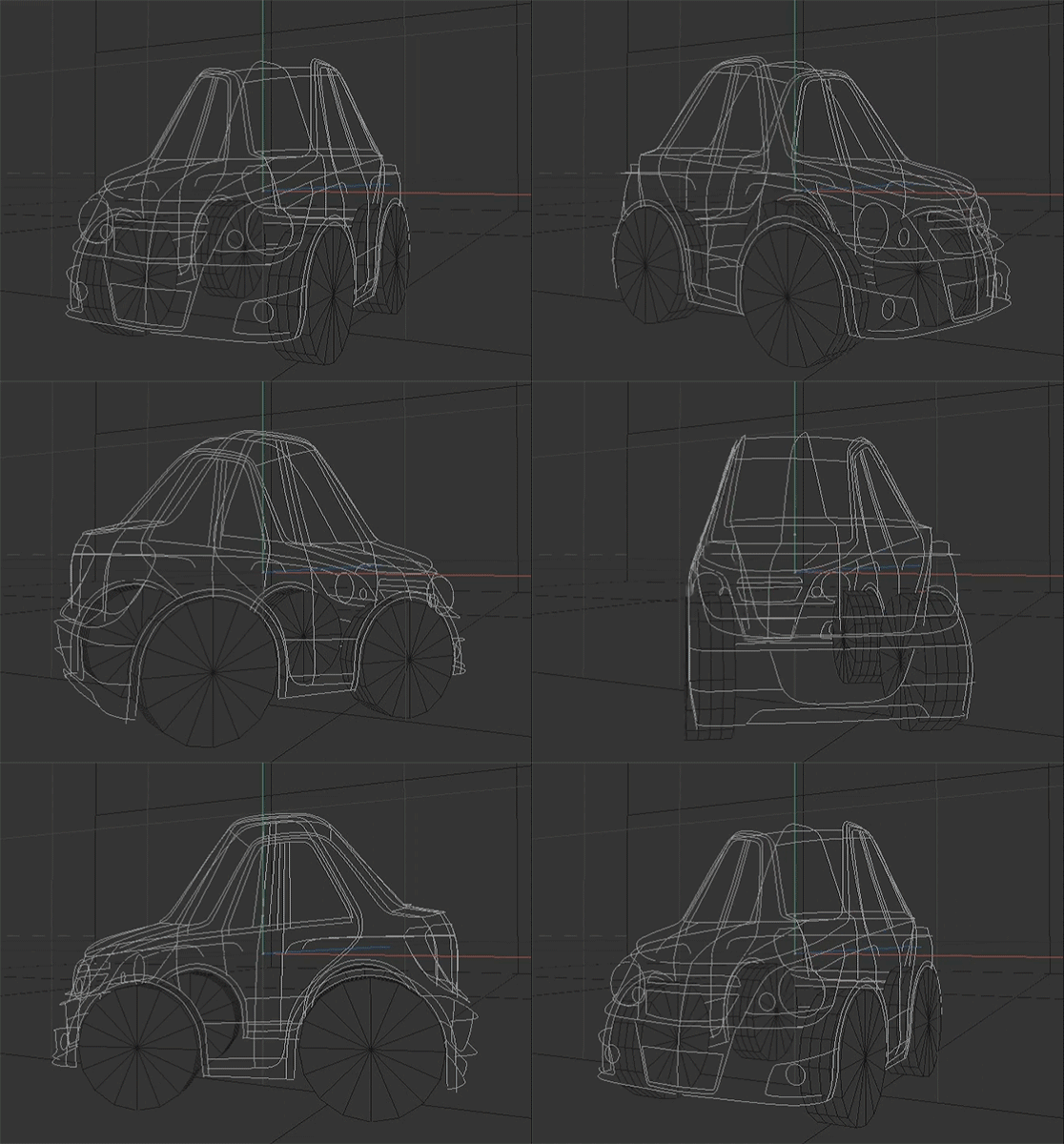
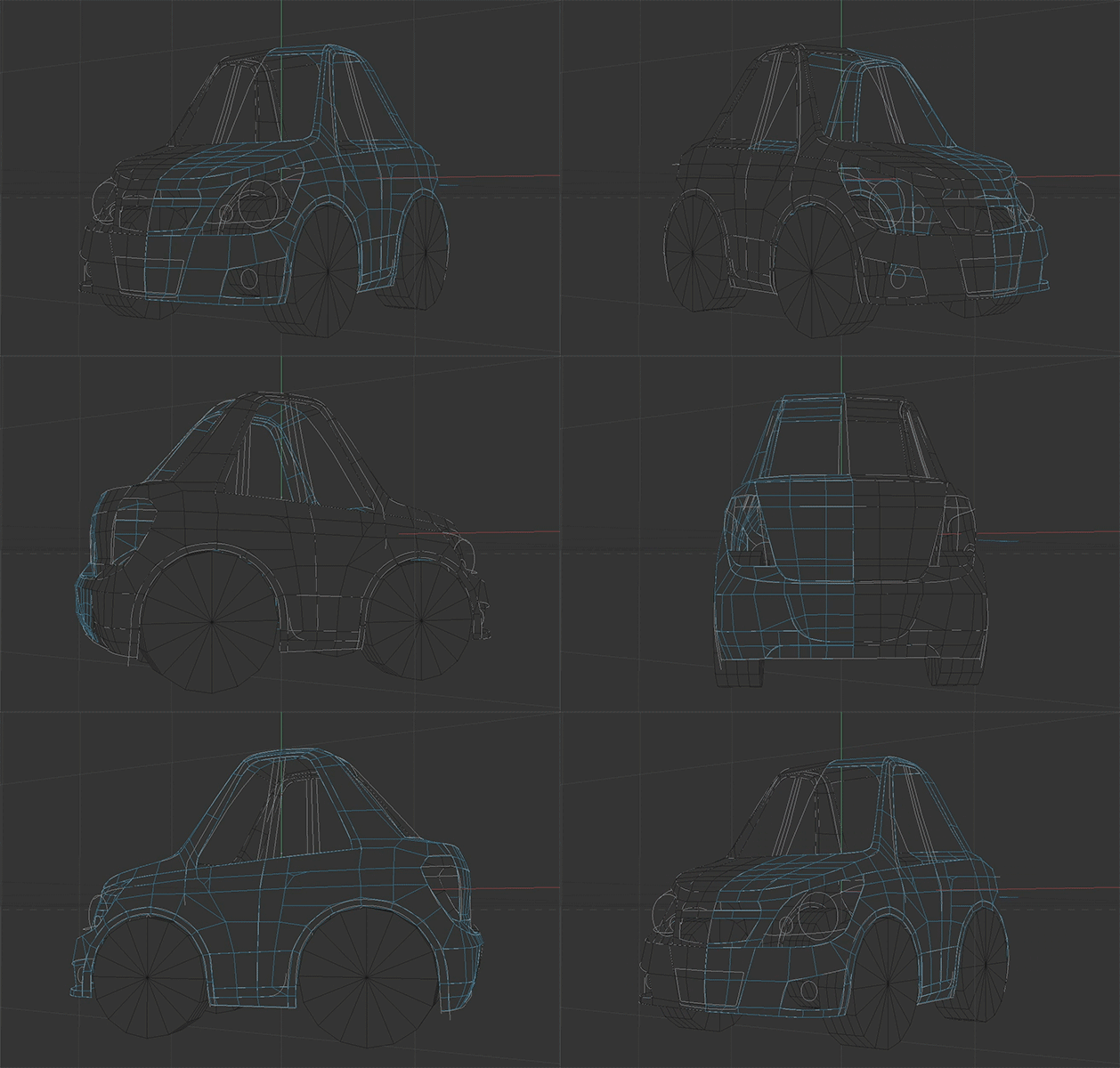
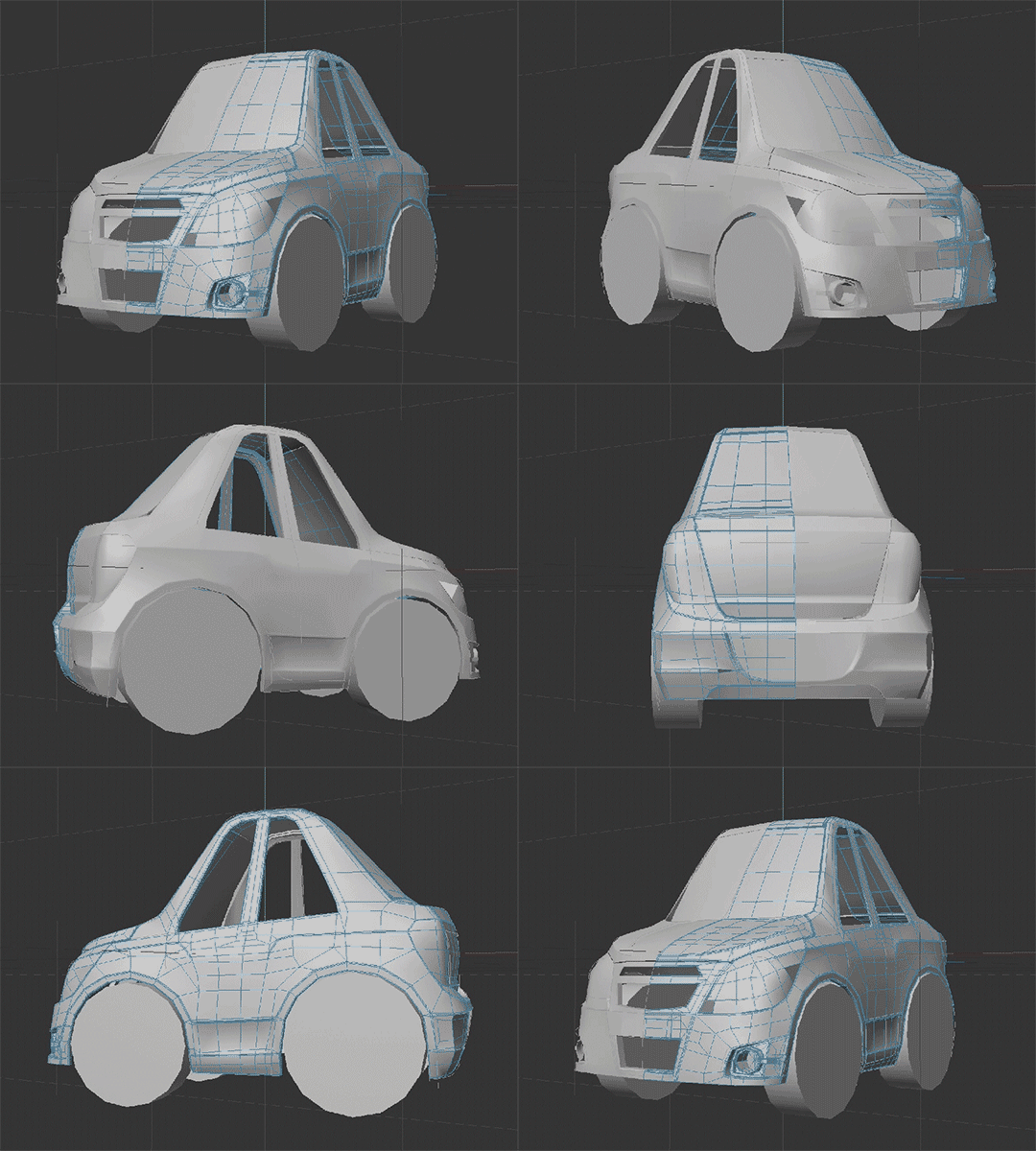
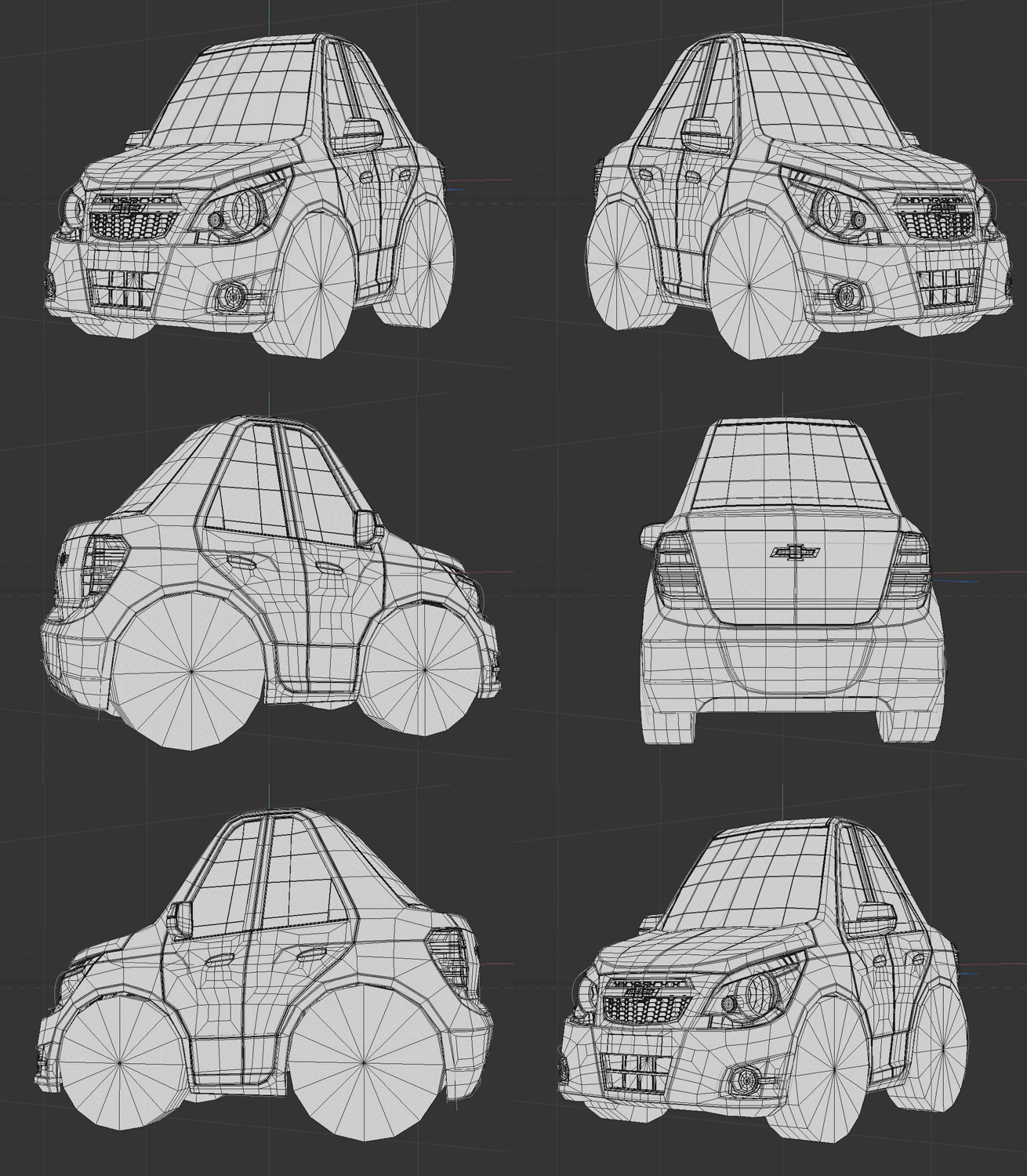
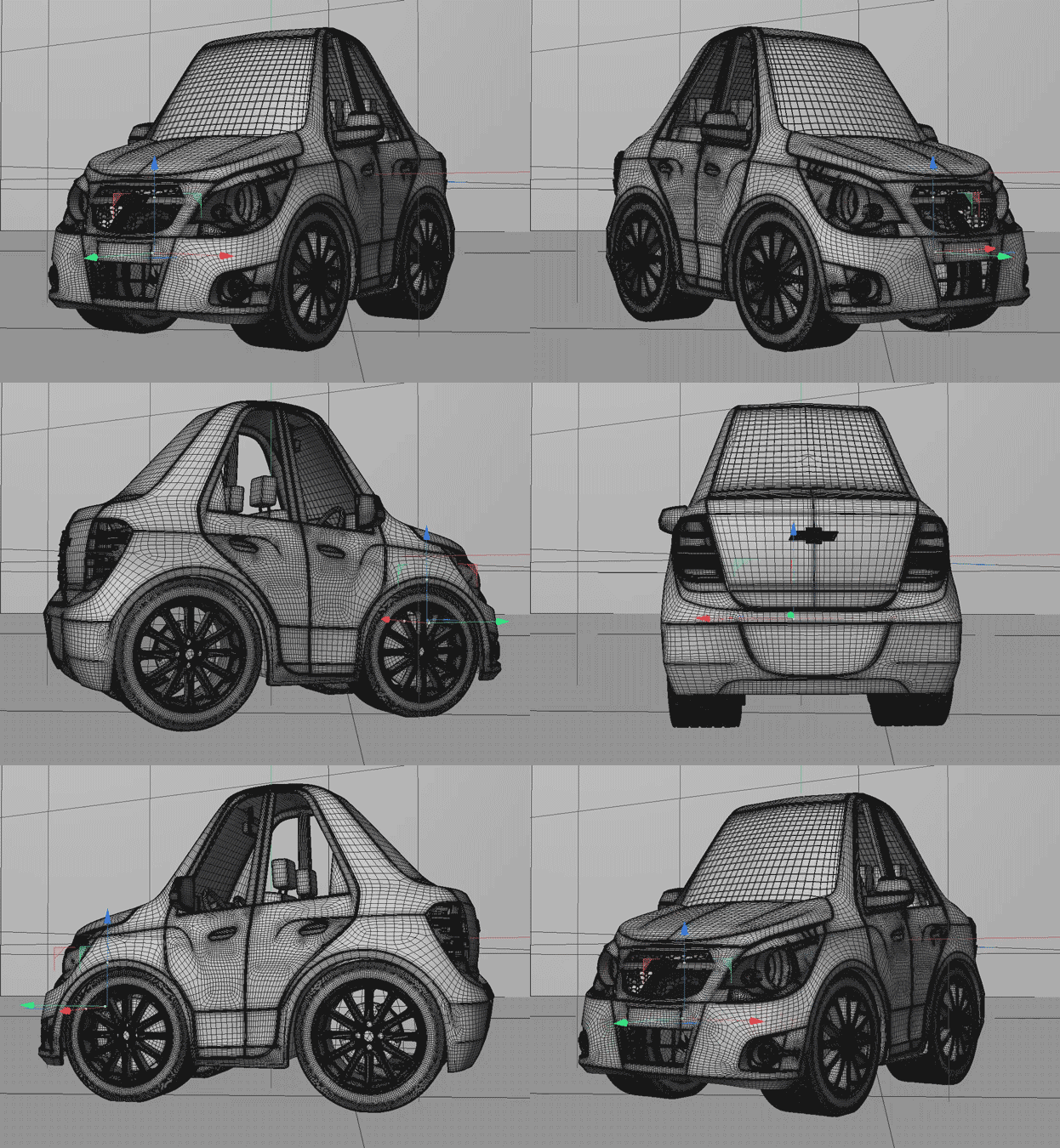
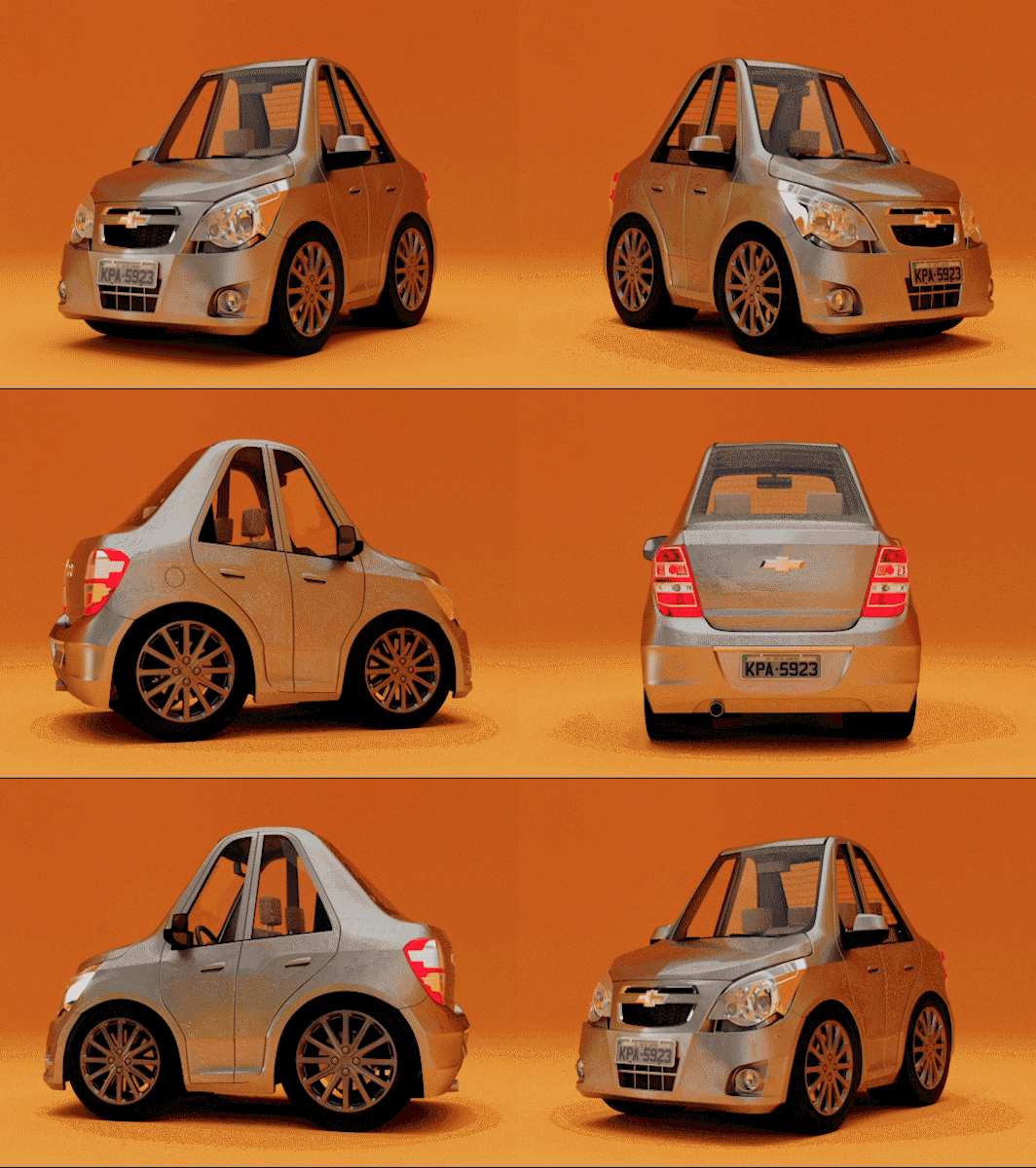
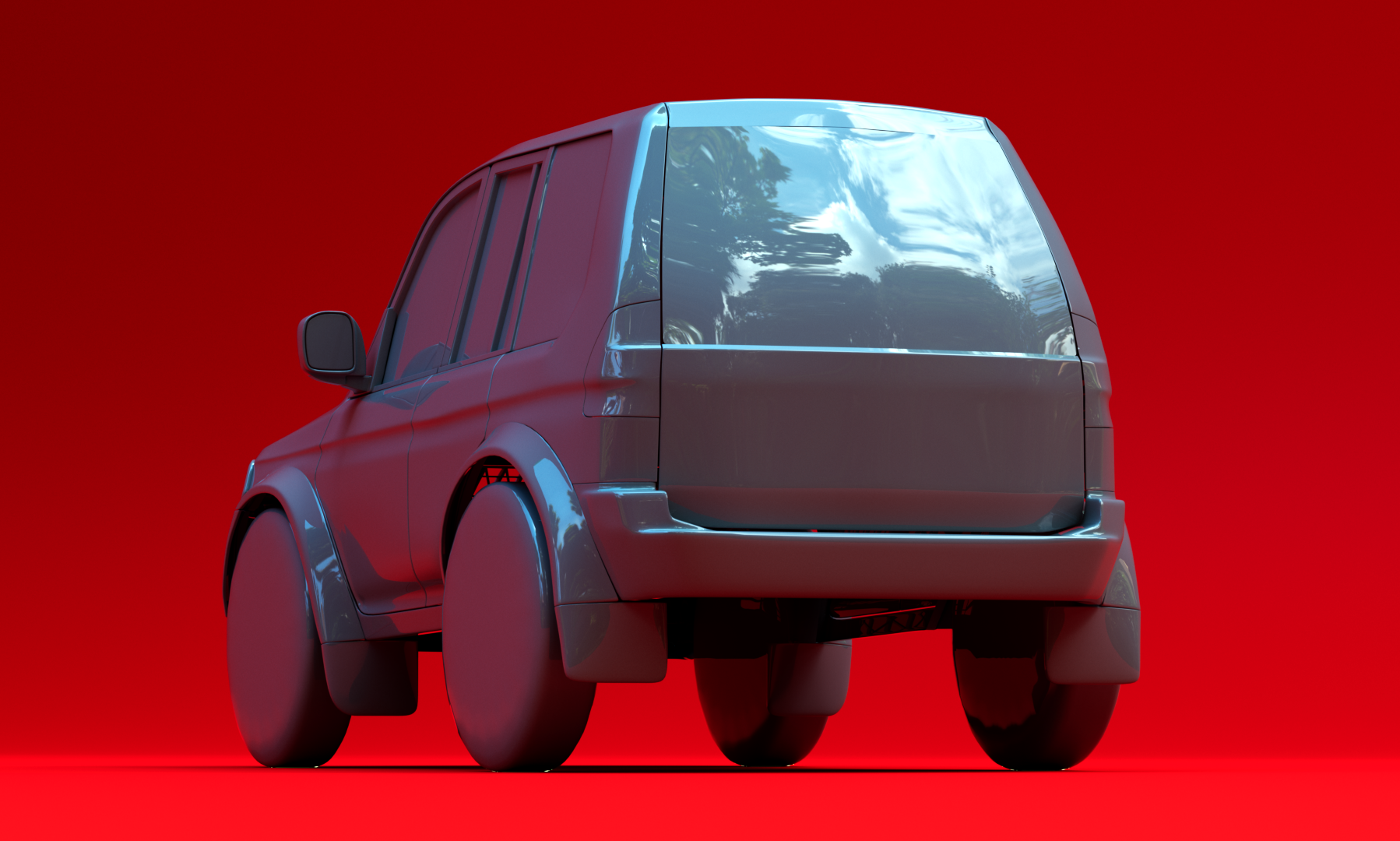
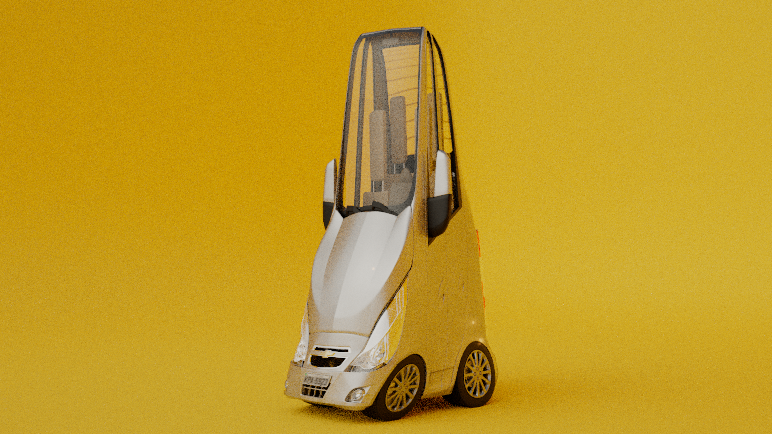
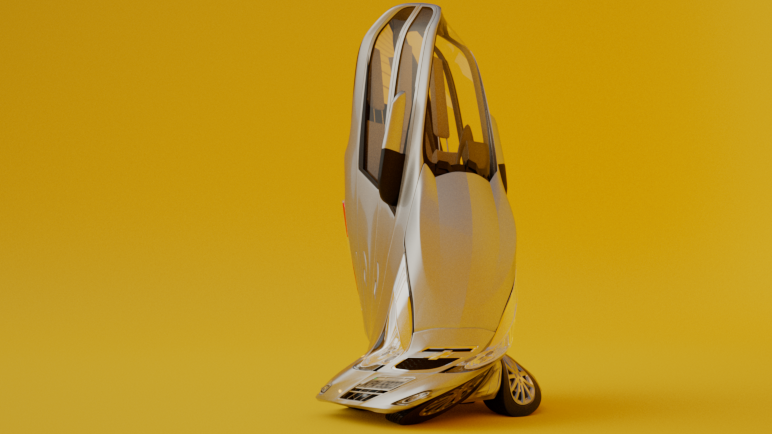
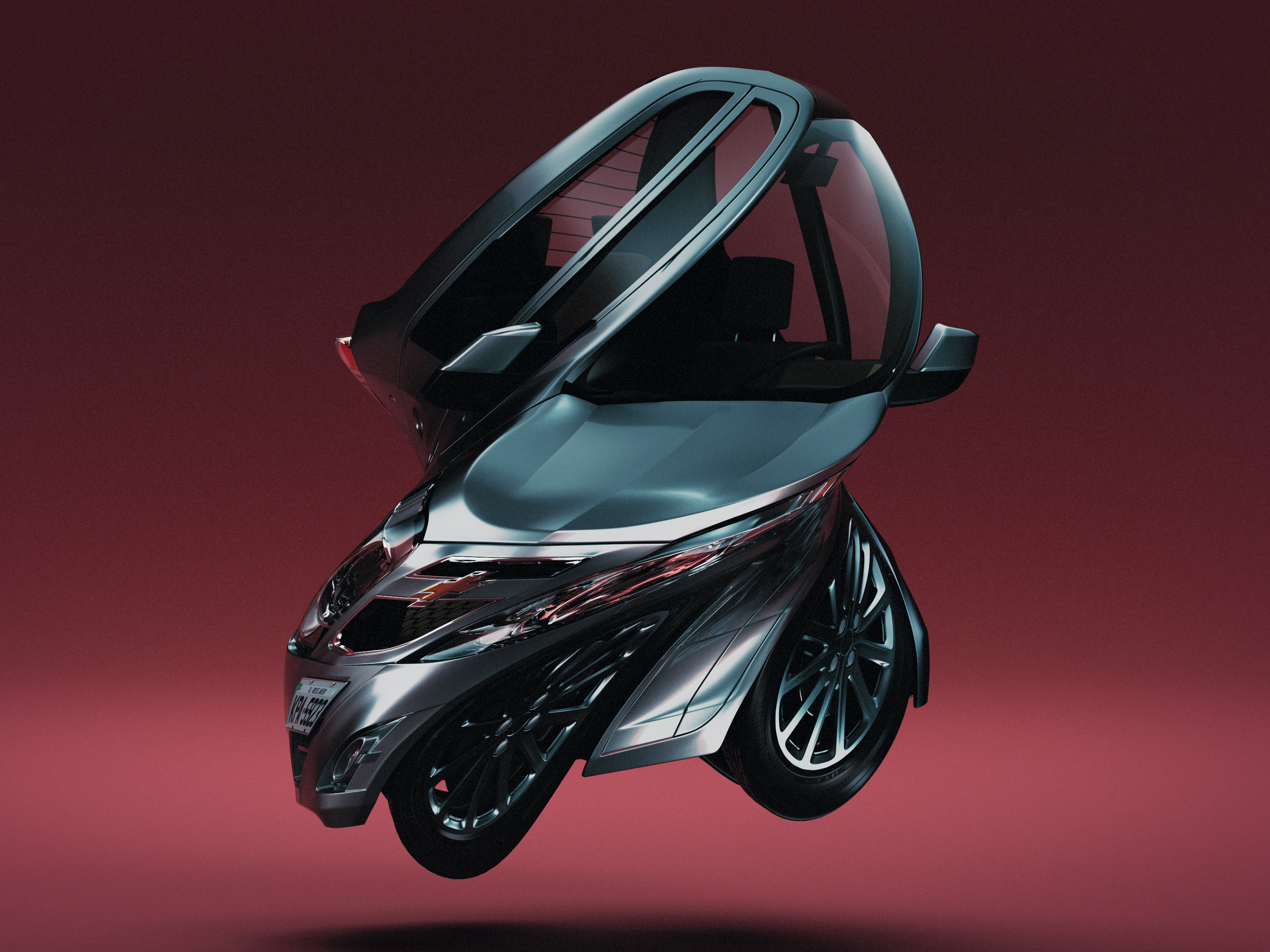
Chevrolet Cobalt, The Double Trouble.
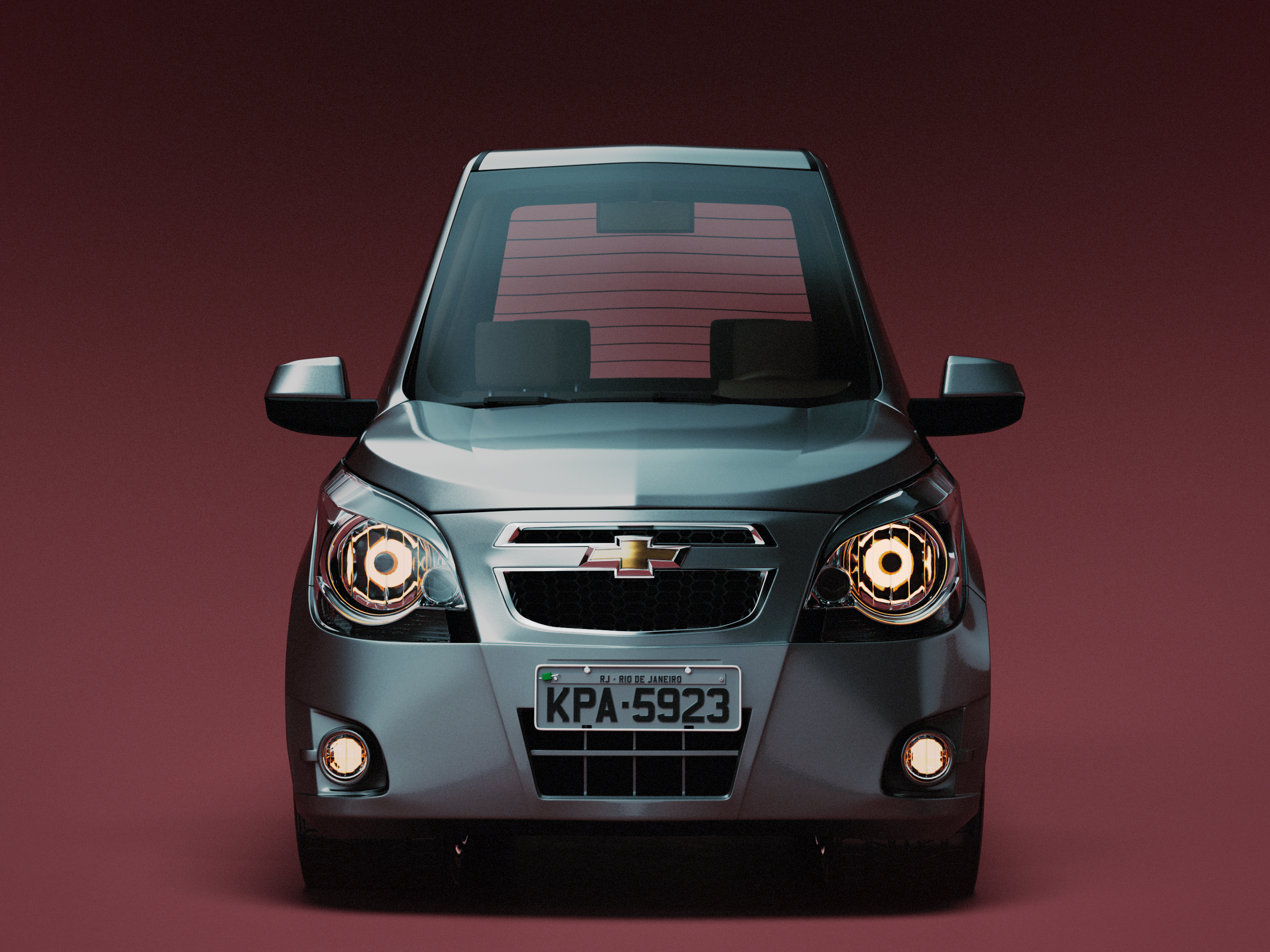
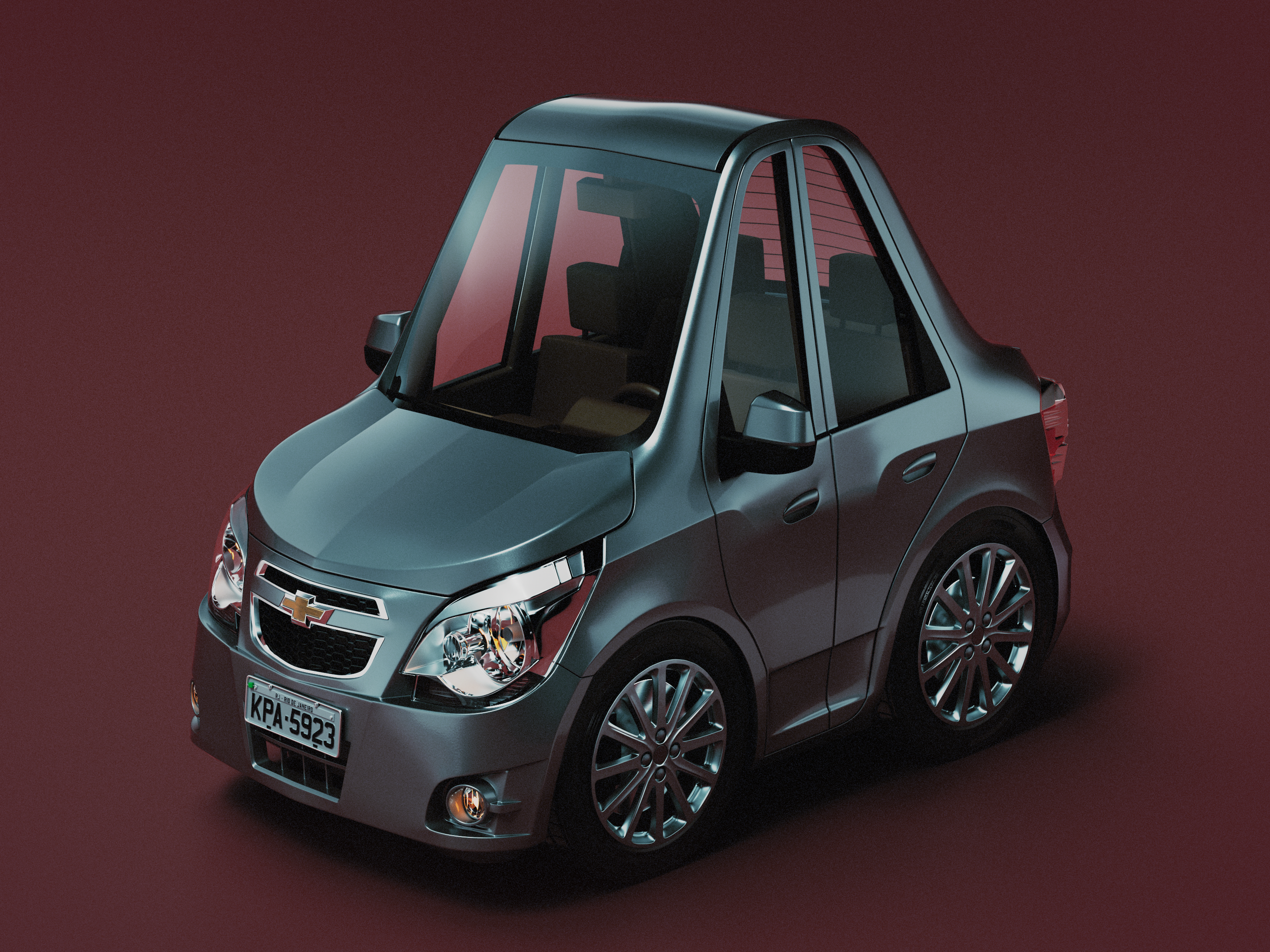
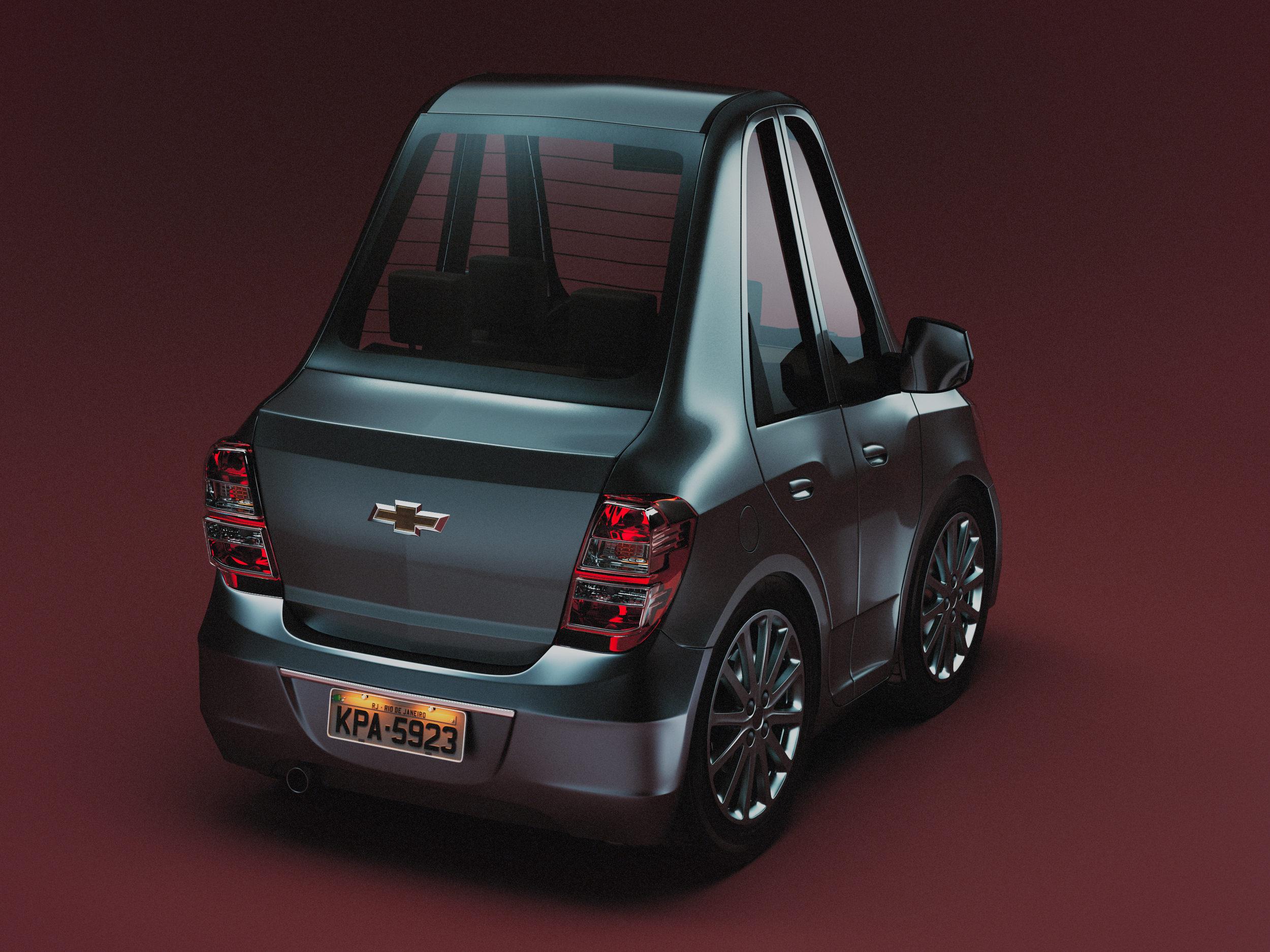
The Chevrolet Cobalt is a sedan developed under Chevrolet’s “global car” strategy, a label that often serves as a polite shorthand for vehicles that fall short of the standards required in developed markets. With looser demands for safety, material quality, and build refinement, models in this category are unlikely to be approved for sale in more mature regions, yet remain competitively priced for consumers in emerging economies.
In terms of design, the Cobalt borrows visual cues from higher-end segments, but applies them to a smaller, more economical platform. The result is a set of proportions that rarely feel cohesive, earning the model a reputation as something of an automotive “Frankenstein.” Sold in Brazil until 2020, the sedan became a familiar presence among corporate fleets and police vehicles. A utilitarian workhorse rather than a stylistic statement.
On the night of March 14, 2018, Rio de Janeiro city councilwoman Marielle Franco left a community event unaware that a silver Chevrolet Cobalt had begun to tail her. Moments later, as her car halted at a traffic light, she and her driver, Anderson Gomes, were executed with 14 precise shots to the chest and head, a killing that bore the unmistakable signature of a calculated ambush.

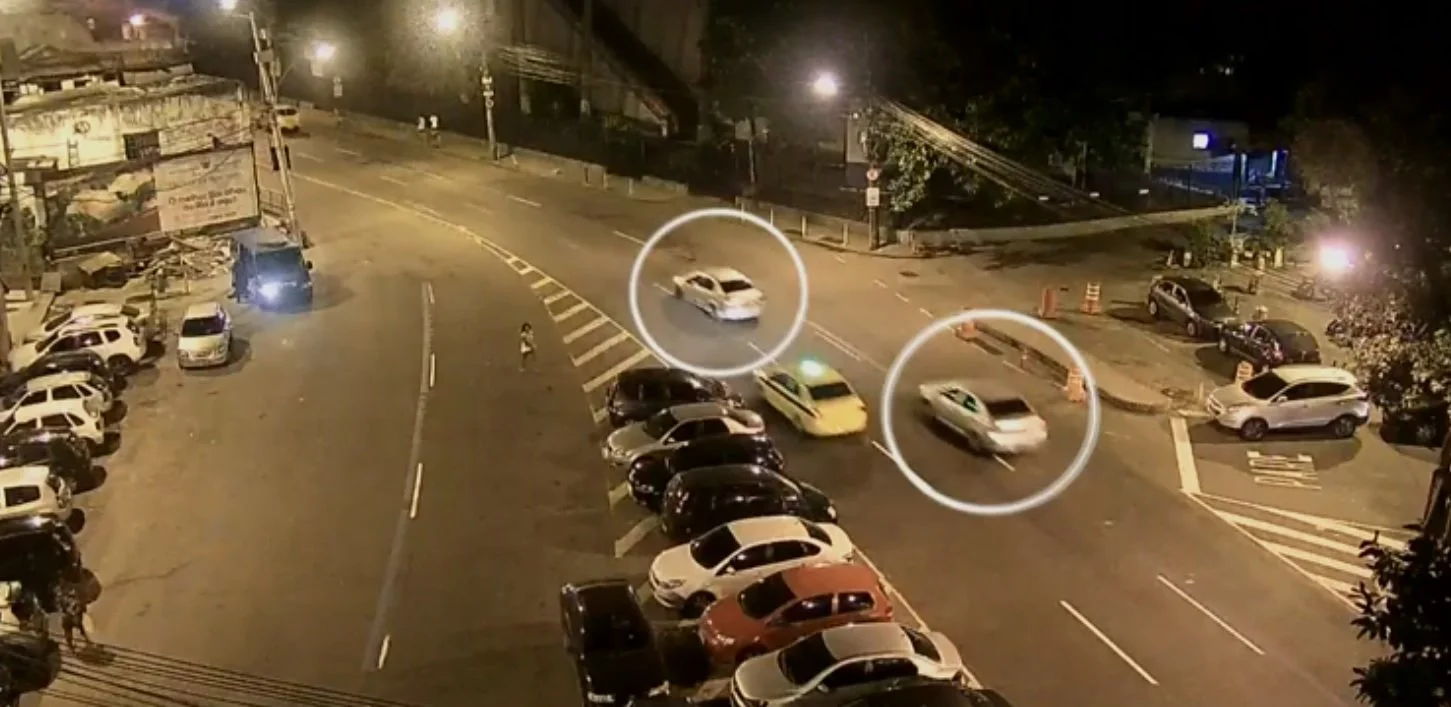


As investigators began to piece together the operation, an unsettling detail surfaced: a second silver Chevrolet Cobalt with identical plates had been circulating through downtown Rio. Both were confirmed to be cloned vehicles, duplicates of an existing car, bringing the total to three identical models operating within the state.
Months into the inquiry, authorities traced one of the alleged masterminds to a neighbor and acquaintance of then presidential candidate Jair Bolsonaro. Relatives of the gunman were found working in the office of one of Bolsonaro’s sons. Security logs showed both suspects using the intercom and entering the former president’s gated condominium just hours before the murder.


The case would come to expose a deep fault line within Brazilian society. Marielle; a Black, socialist, openly lesbian elected official, was murdered while in office, allegedly by suspects with ties to far-right political figures. Investigators concluded that she was targeted for challenging territories under the control of Rio de Janeiro’s powerful militia groups.
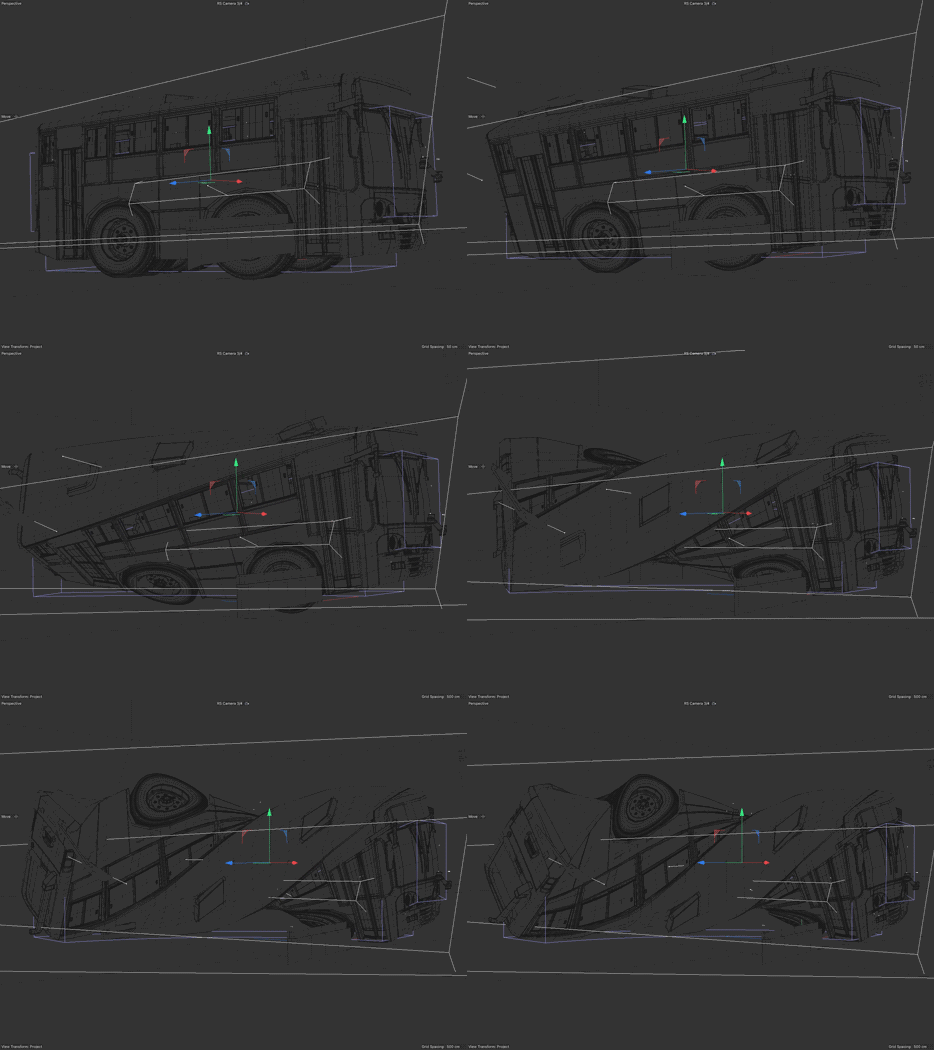
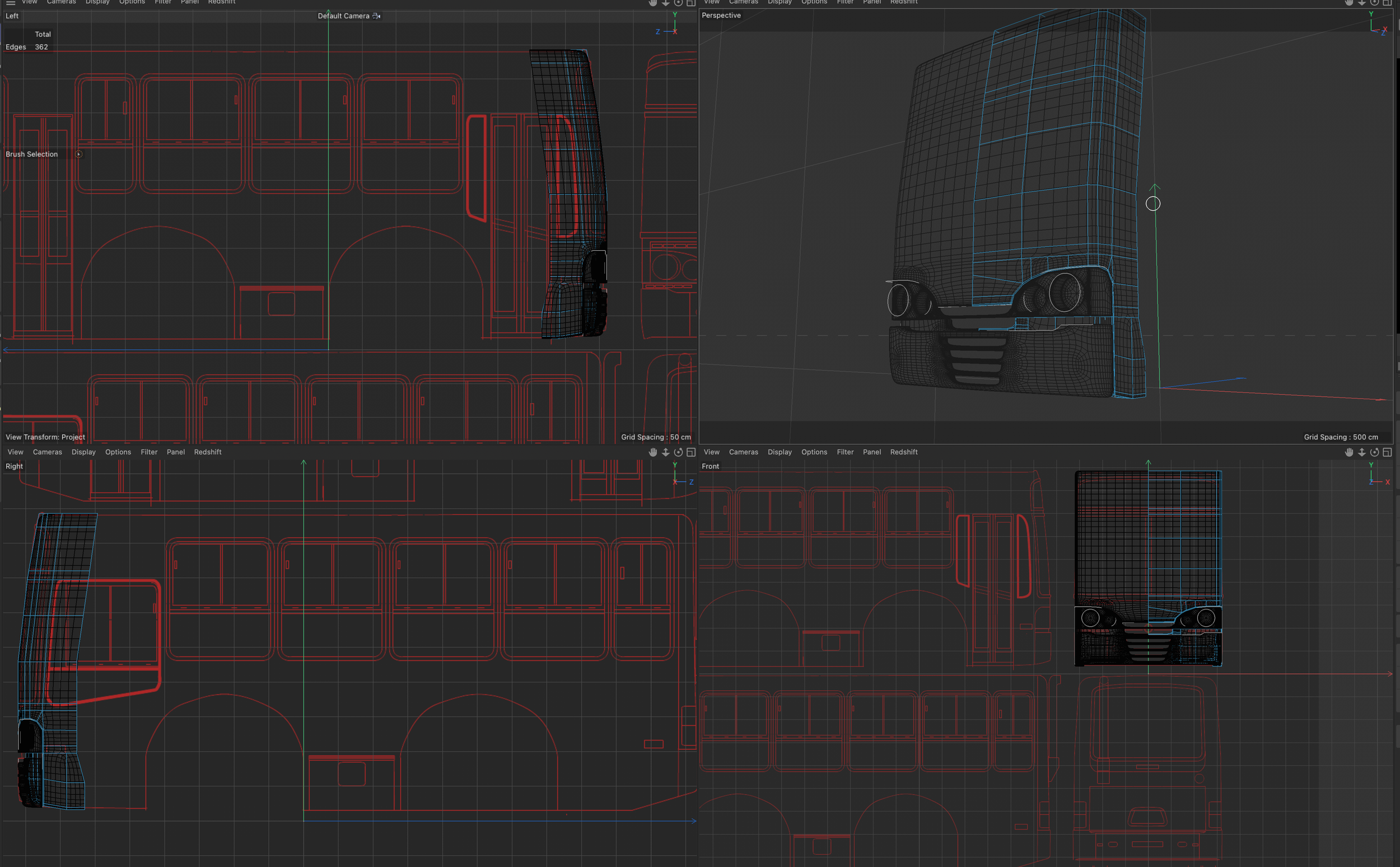
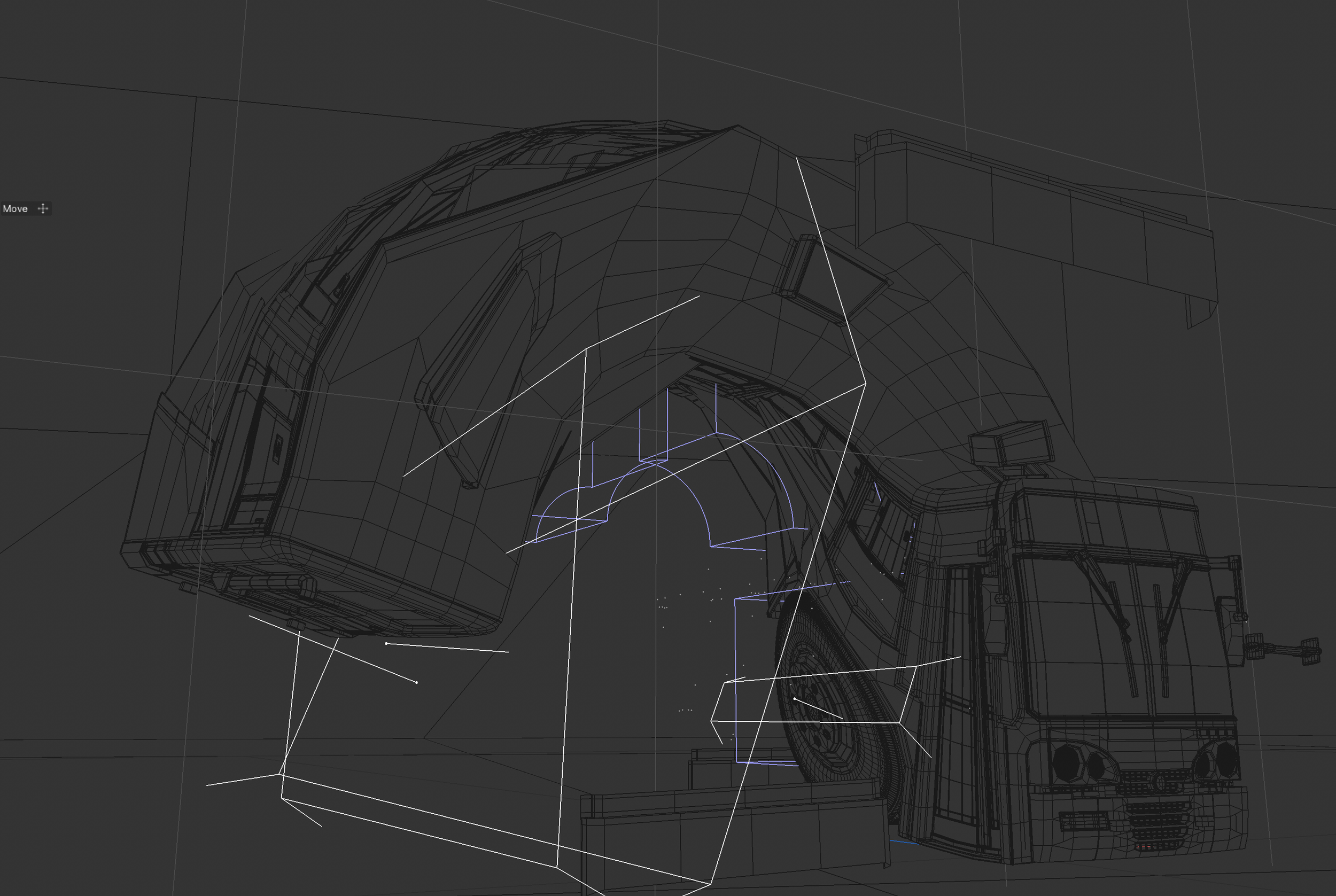
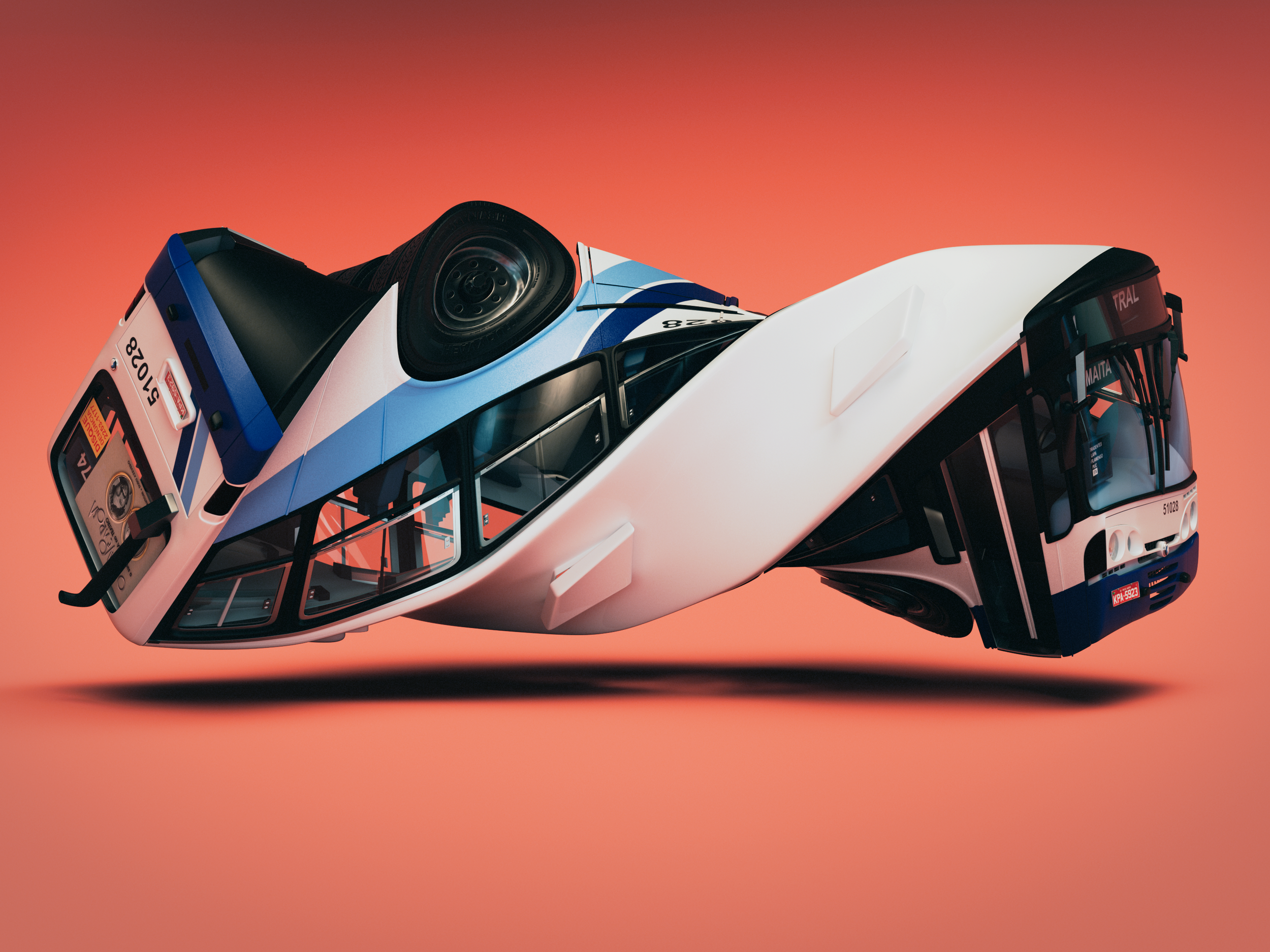
Caio Alpha Mercedes-Benz, the working class mover.
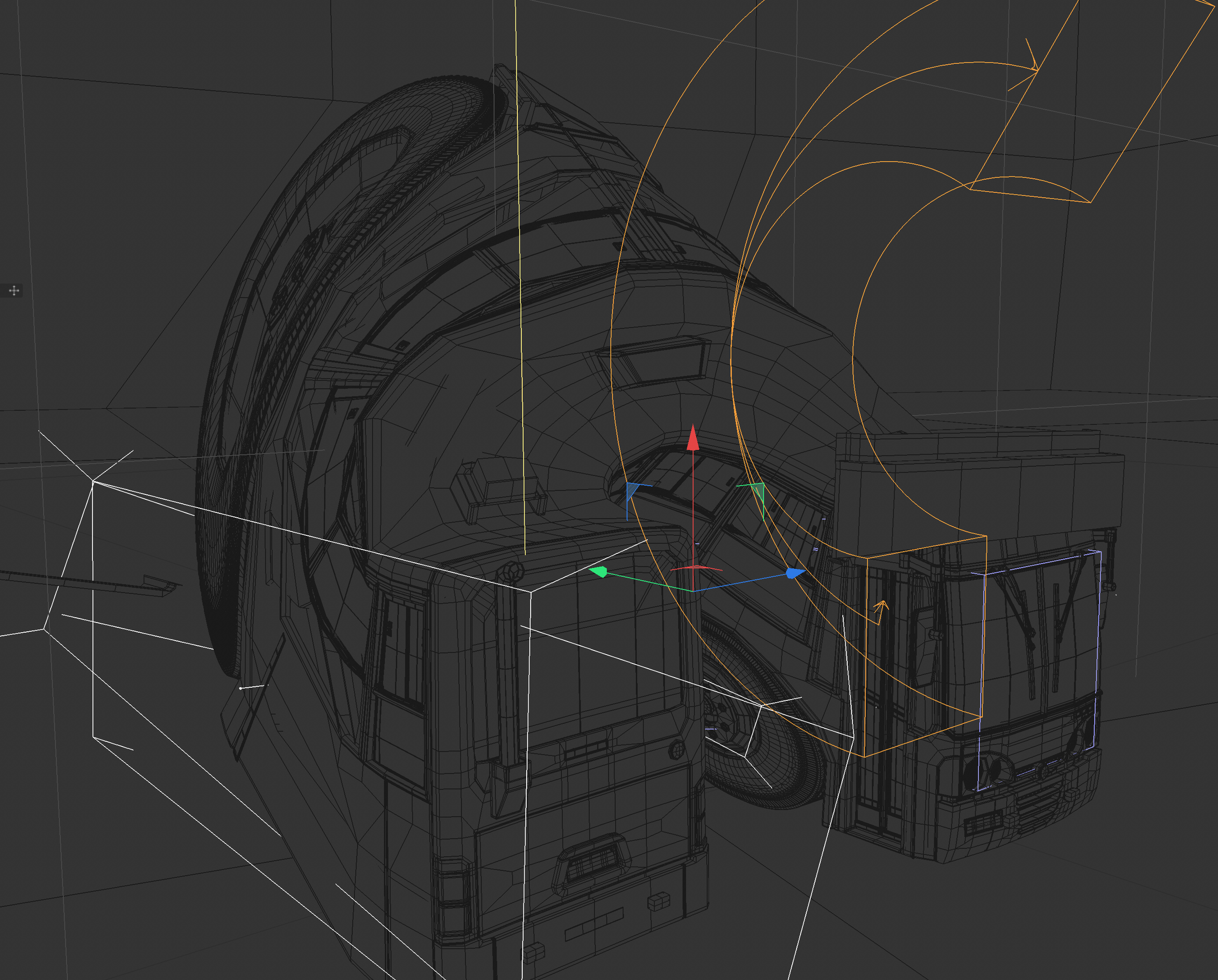
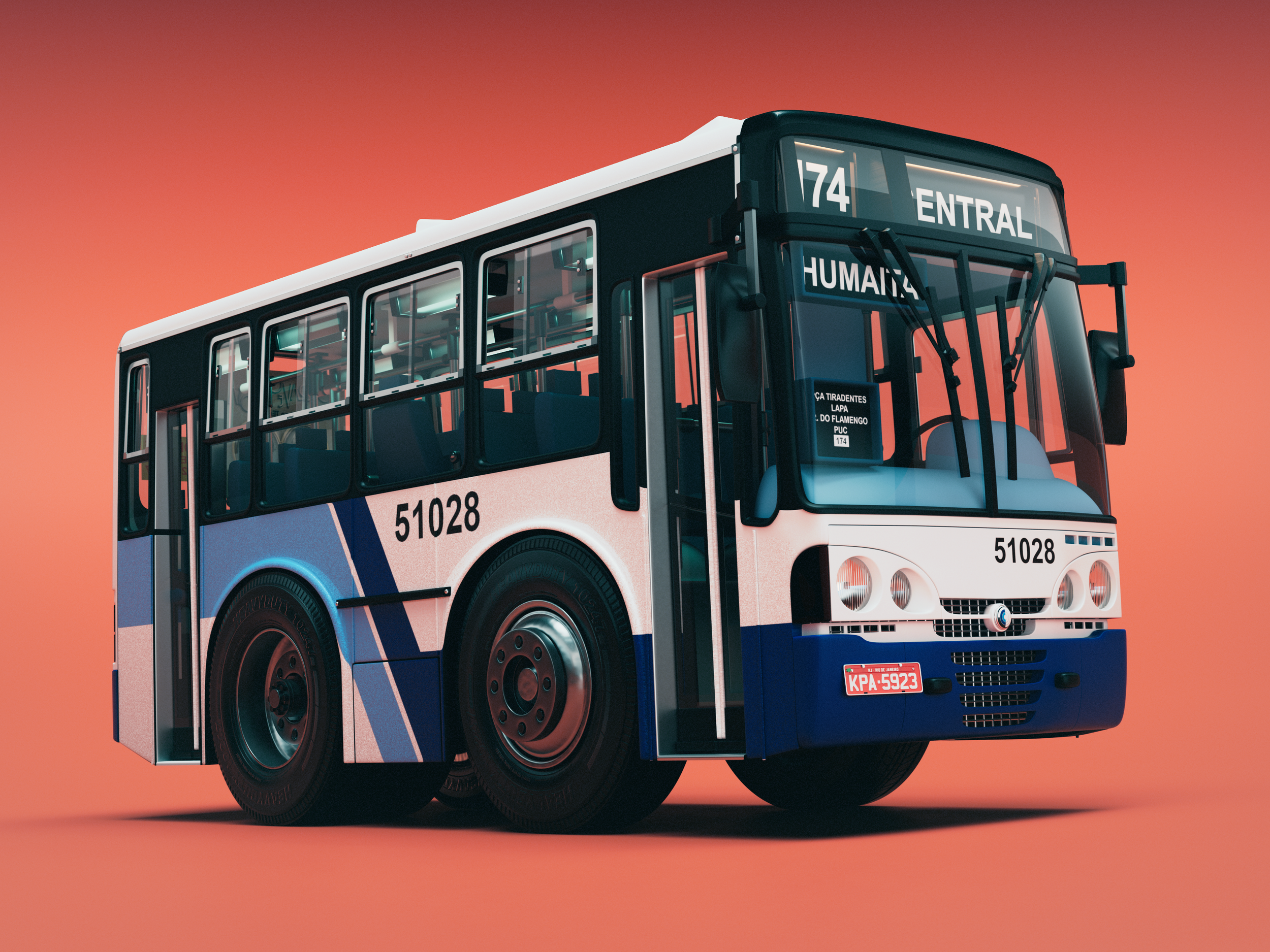
For decades, buses in Brazil were built on truck platforms; there were no projects specifically designed to provide passengers with safer or more comfortable transportation, as the automotive industry’s focus was primarily on cargo. The Caio Alpha Mercedes-Benz was no exception.
Built on a truck chassis, it was a crude adaptation for passenger transport. Boarding required climbing a stairway to the elevated chassis, without air conditioning and with minimal sound or thermal insulation, these vehicles were hardly known for comfort. It was even common for drivers to lose leg hair from the heat of the engine casing.
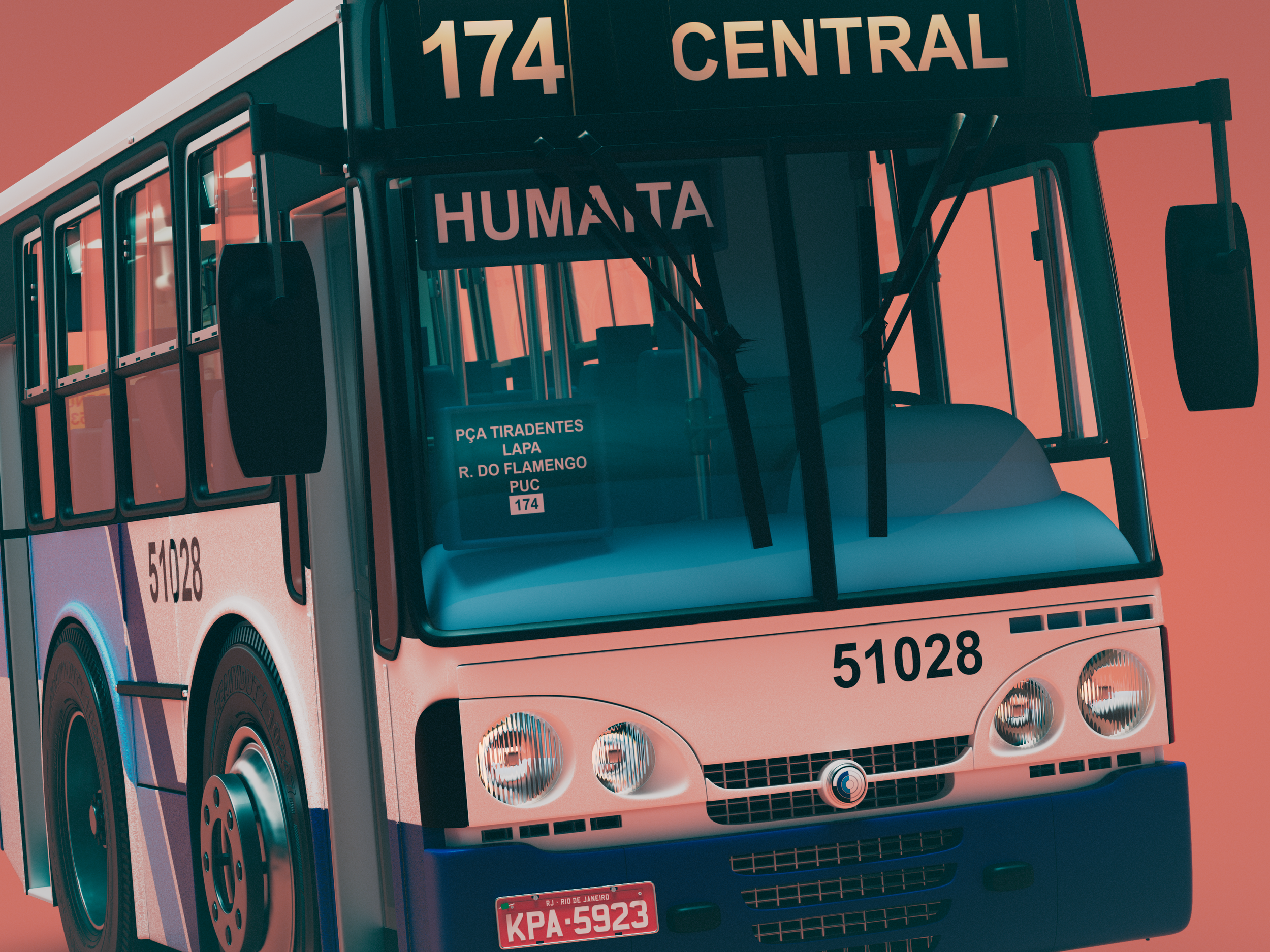
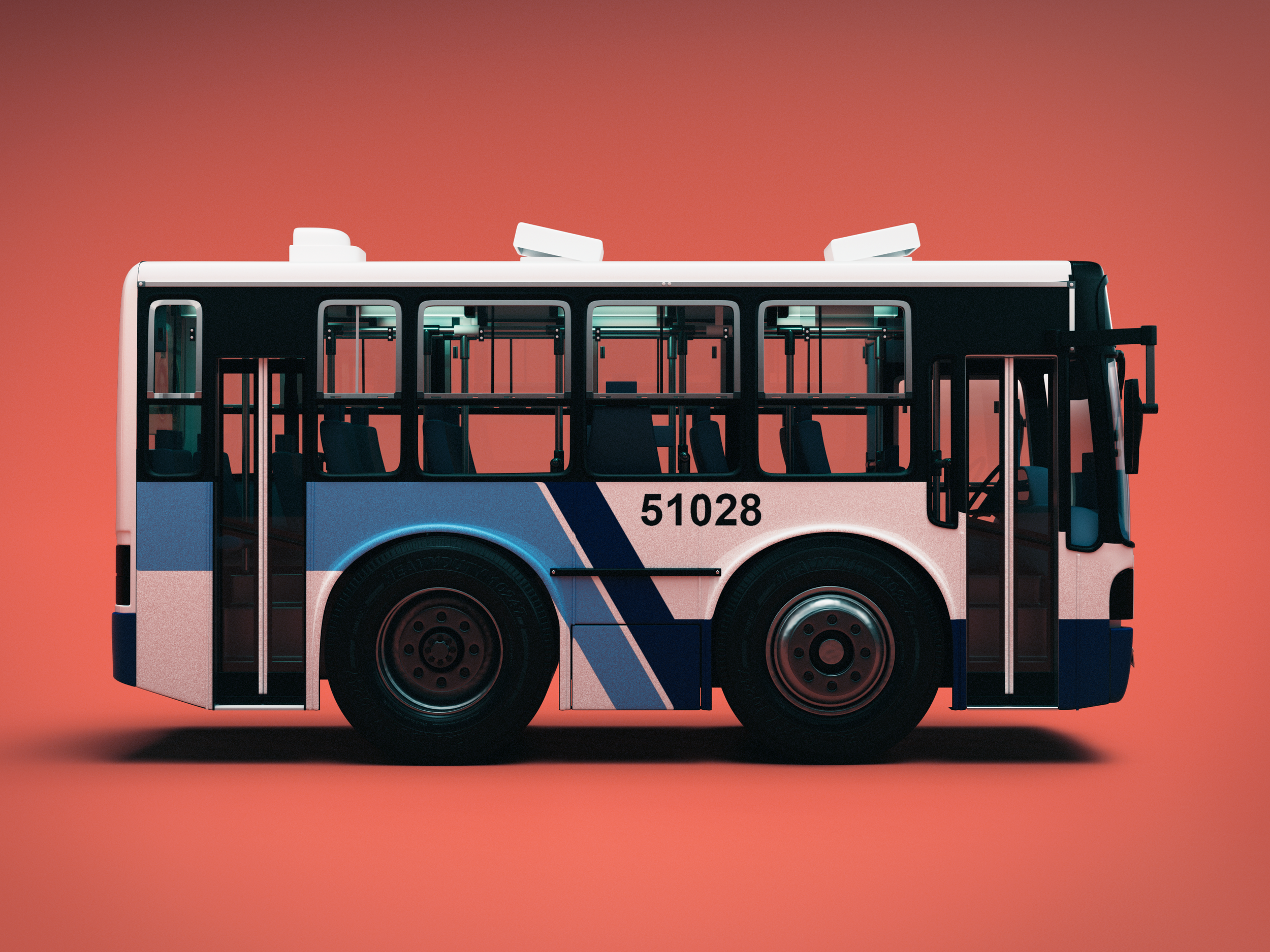
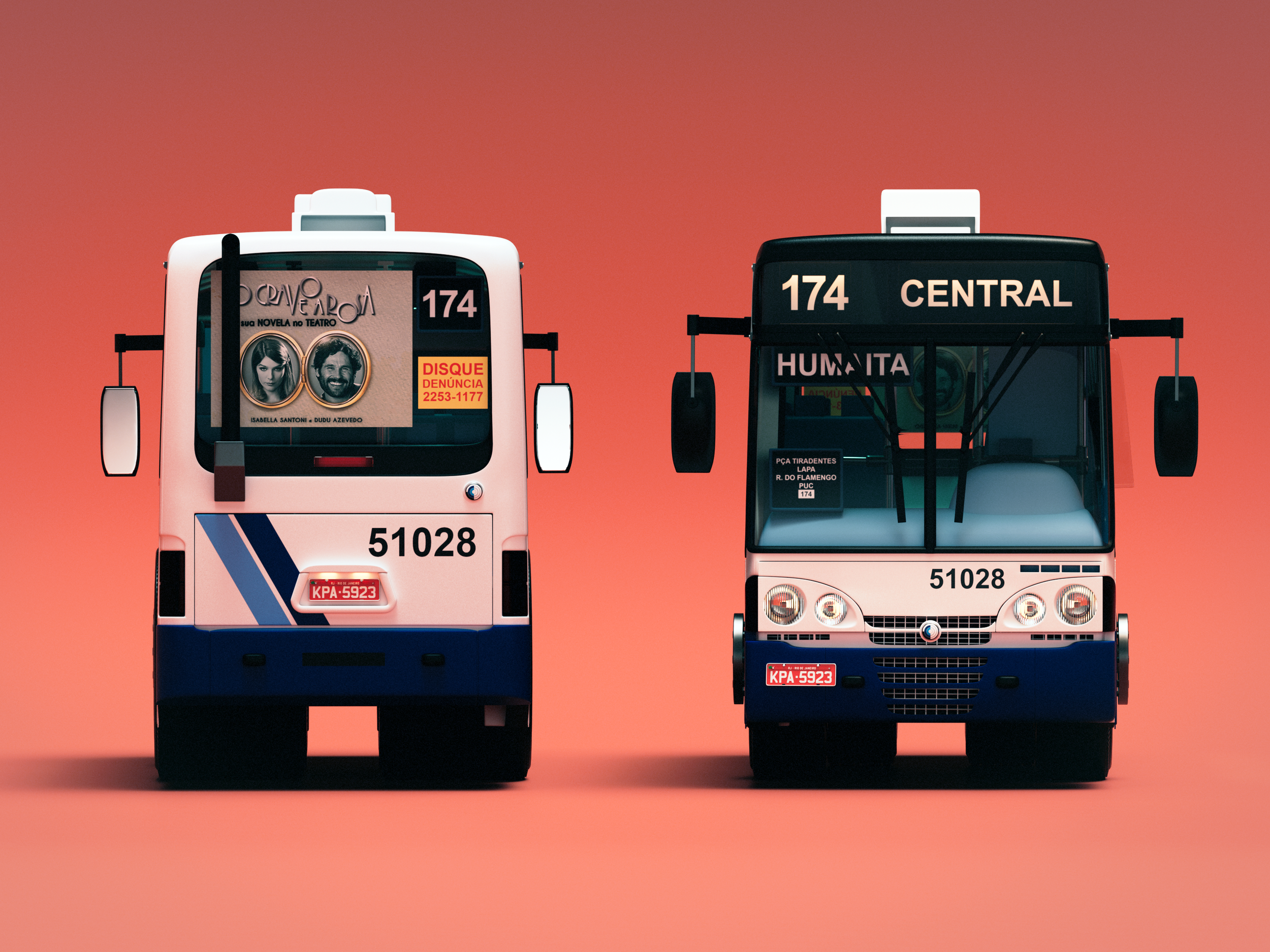
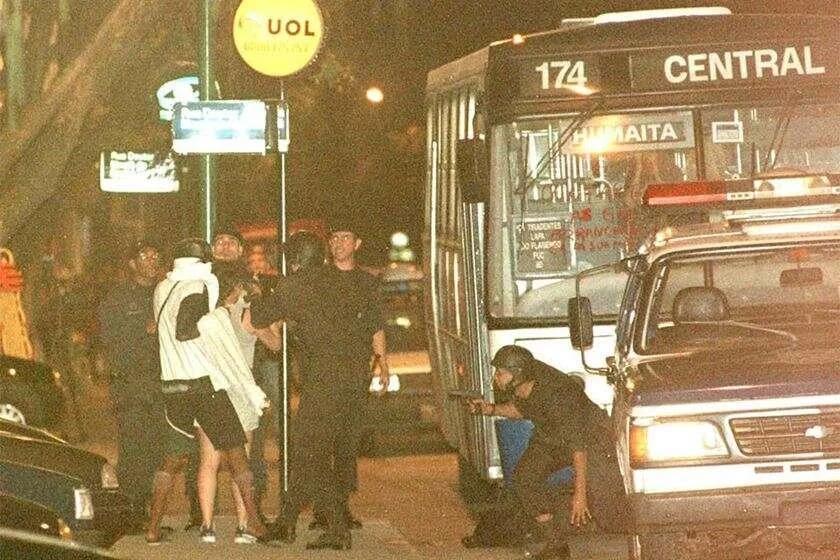
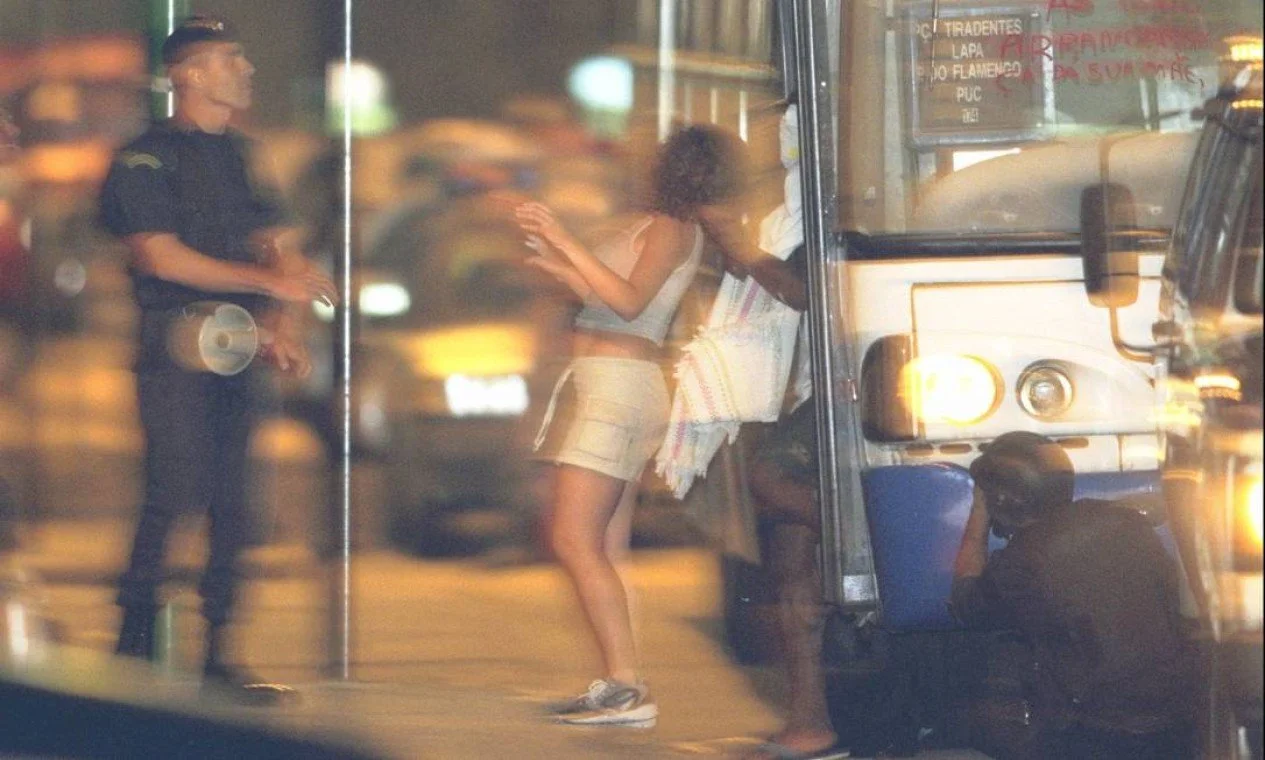
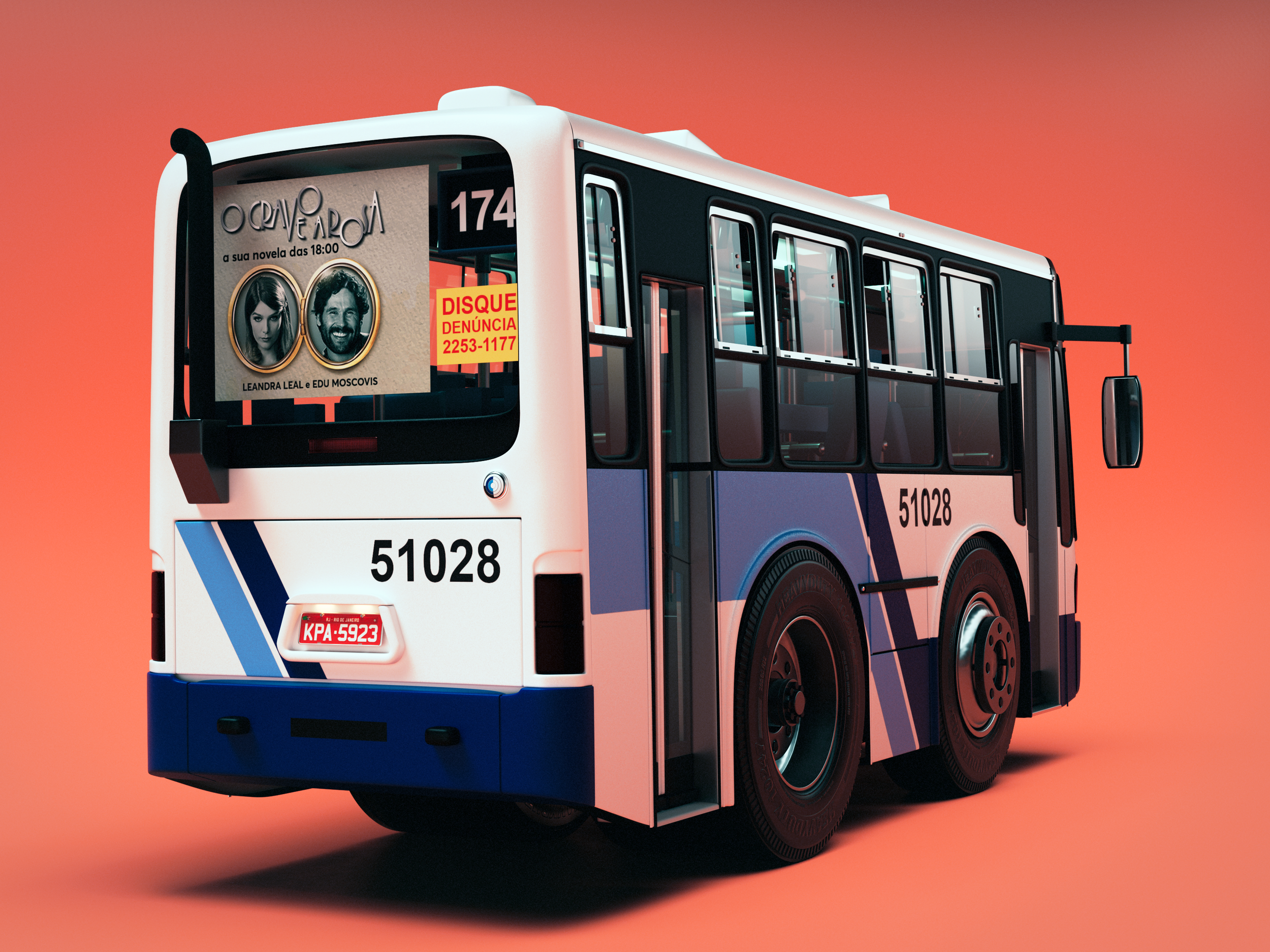
On the afternoon of June 12, 2000, a bus operating line 174, connecting Central Station to Gávea in Rio de Janeiro, was hijacked by Sandro Barbosa do Nascimento. Known on the streets as Mancha.
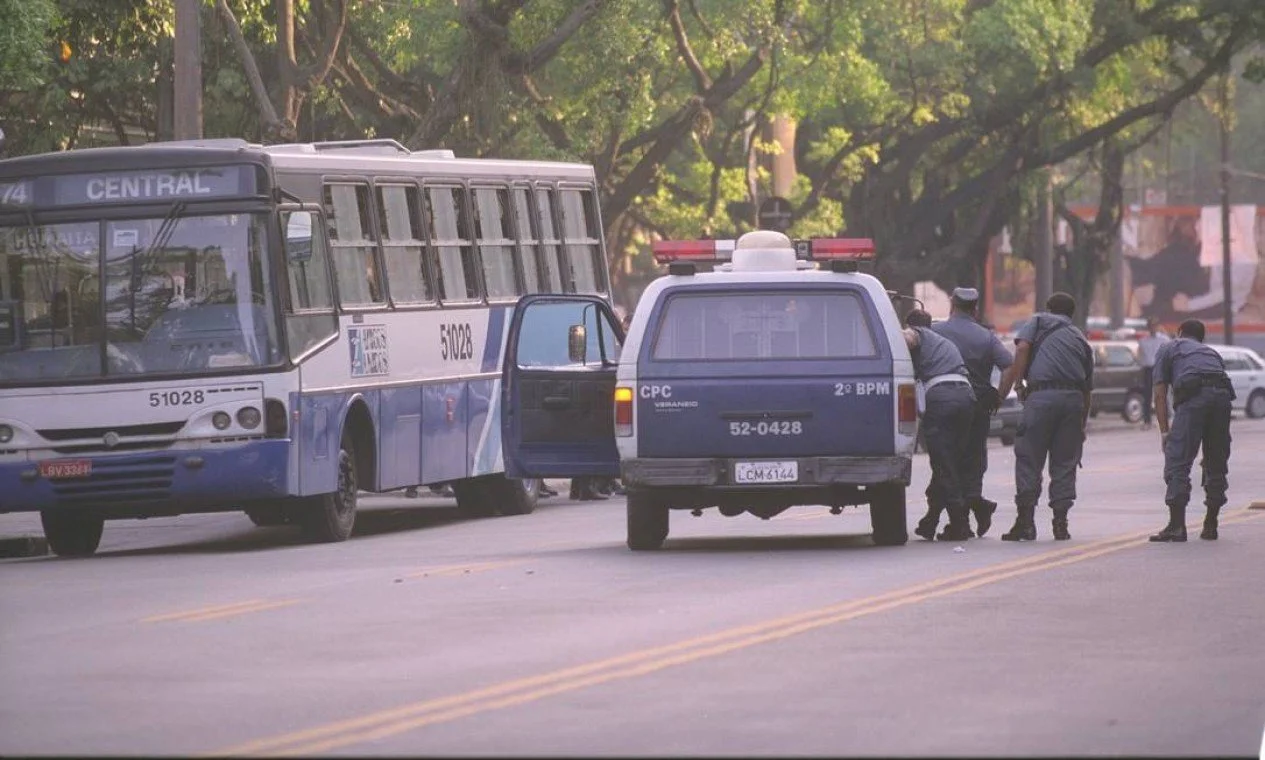
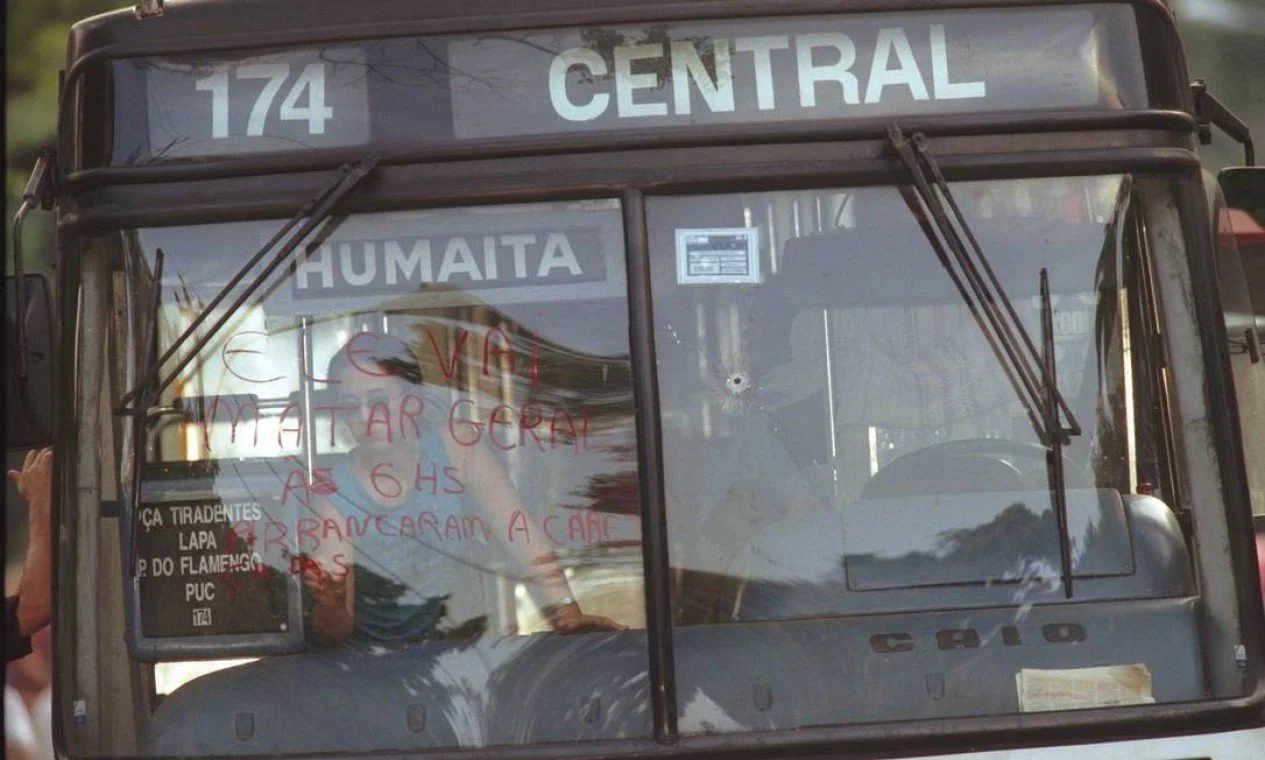
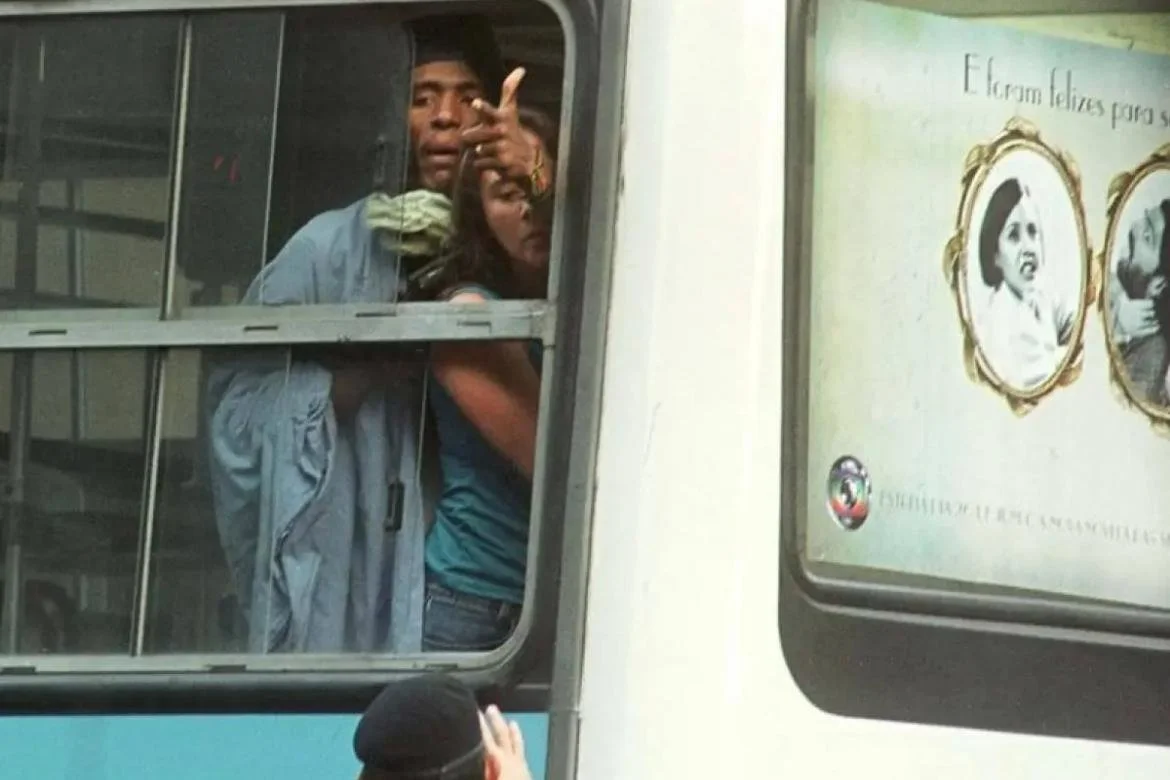
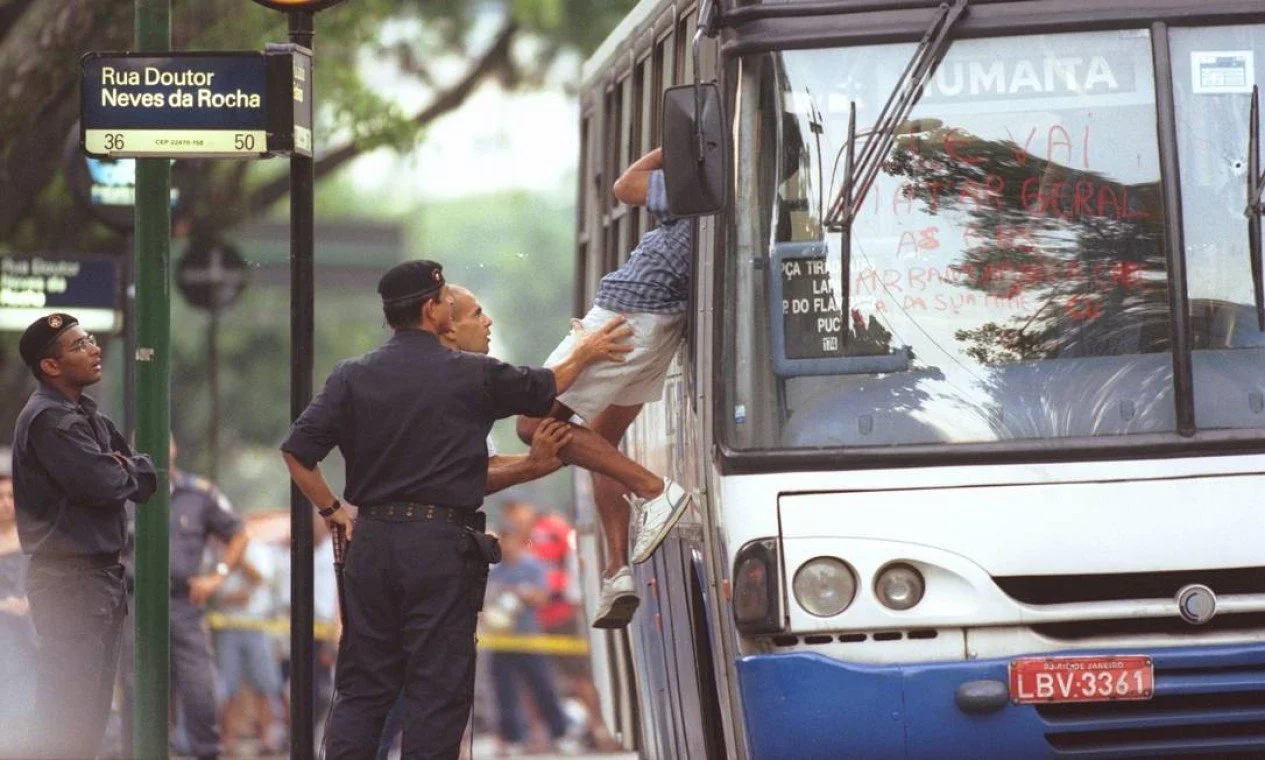

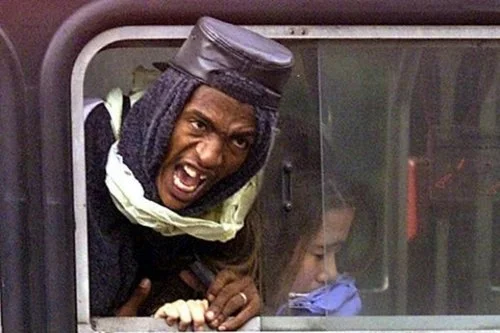
Sandro had witnessed his mother’s murder, was abandoned by his father, and coincidentally had already survived another tragedy etched into Brazil’s collective memory. In 1993, he survived the Candelária Massacre, when a group of militias and military police killed children and adolescents sleeping outside the Candelária Church in downtown Rio. As a survivor, Sandro received no support from the State and continued living on the streets.
Throughout the afternoon of negotiations, the Rio de Janeiro Military Police, shaped by techniques inherited from the military dictatorship, when problems were often handled with brute force, and completely unprepared for hostage situations, conducted an operation that ended tragically.
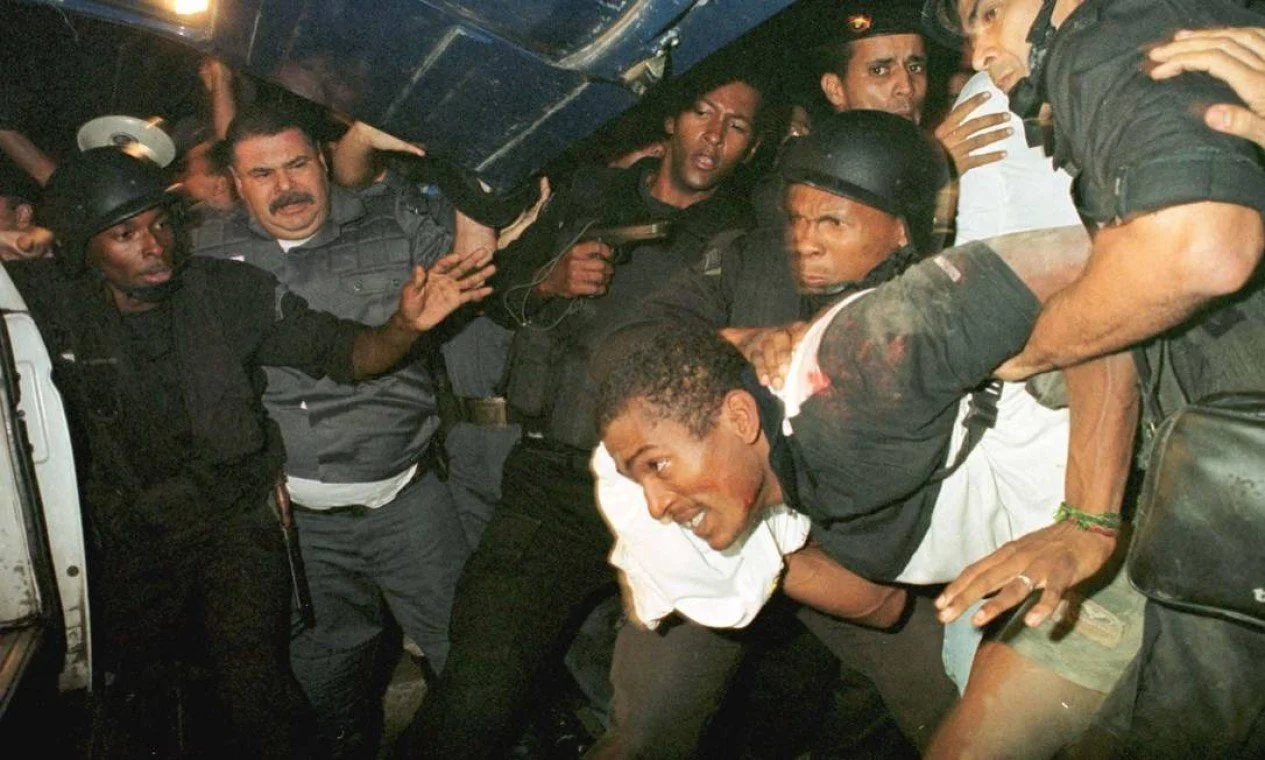
After hours of negotiation, Sandro decided to surrender. As he exited the bus using a preschool teacher, Geisa dos Santos, as a human shield; the police intervened attacking him from behind. Geisa was shot in the head by the police and died on the spot. Sandro entered the police van unharmed, but arrived at the hospital already dead, strangled inside the vehicle by the officers themselves.

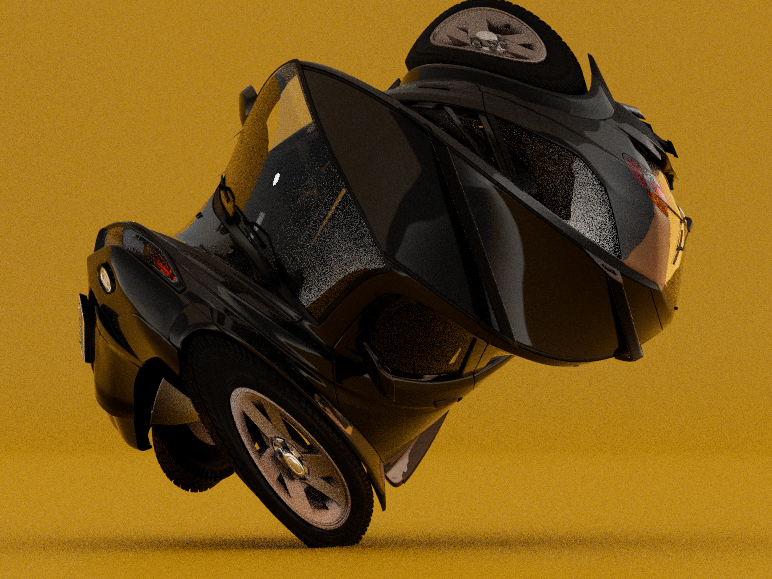
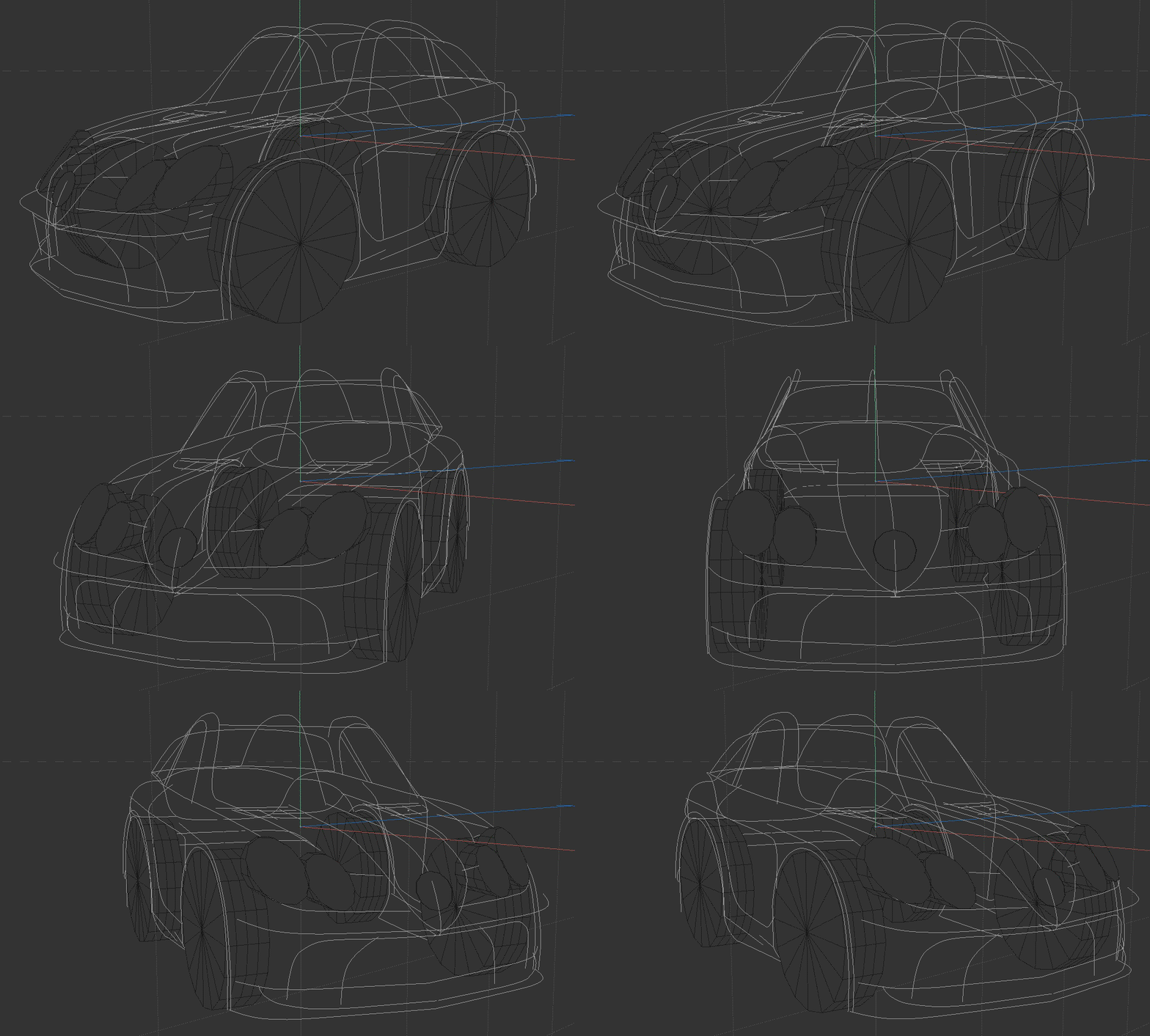
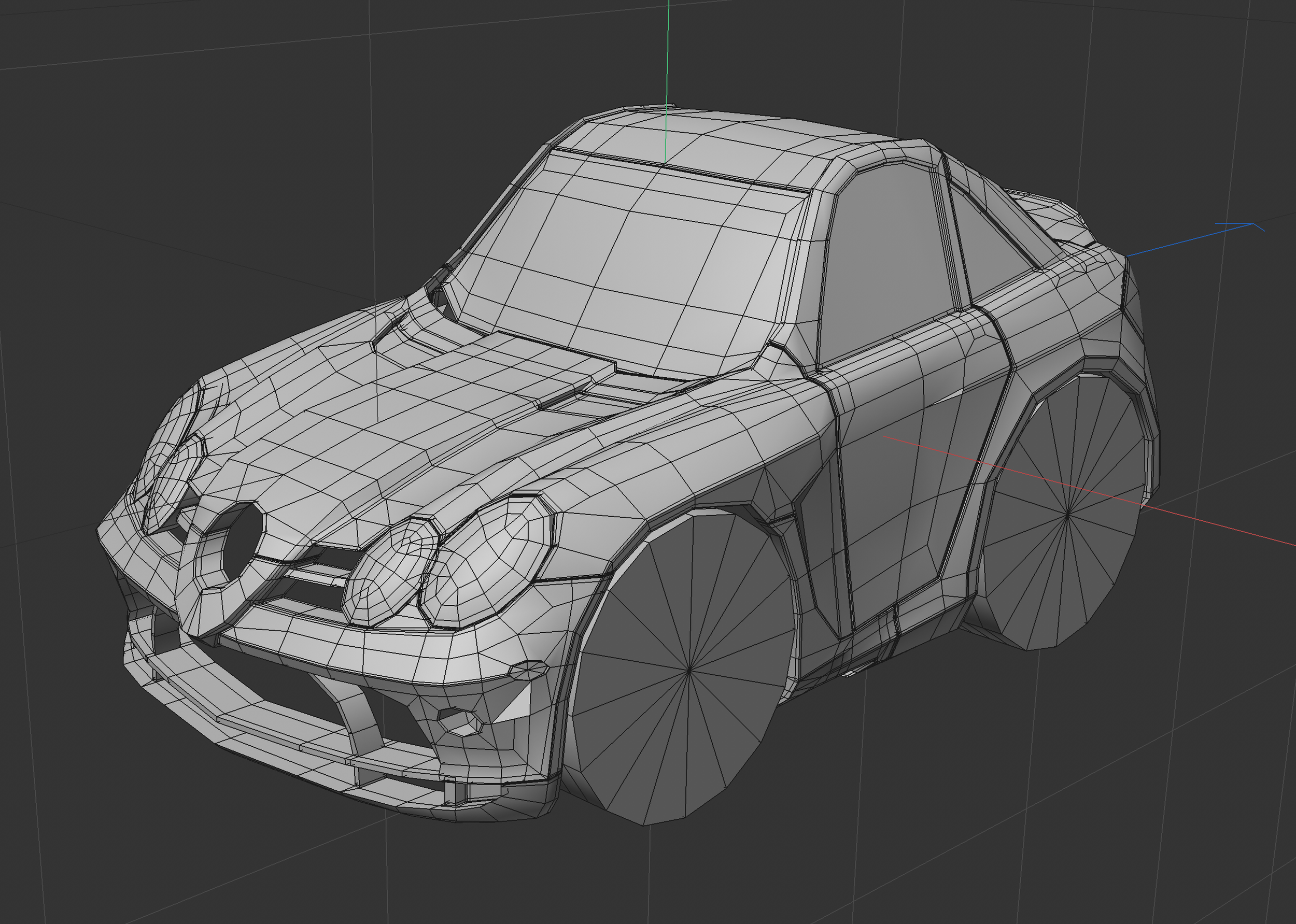
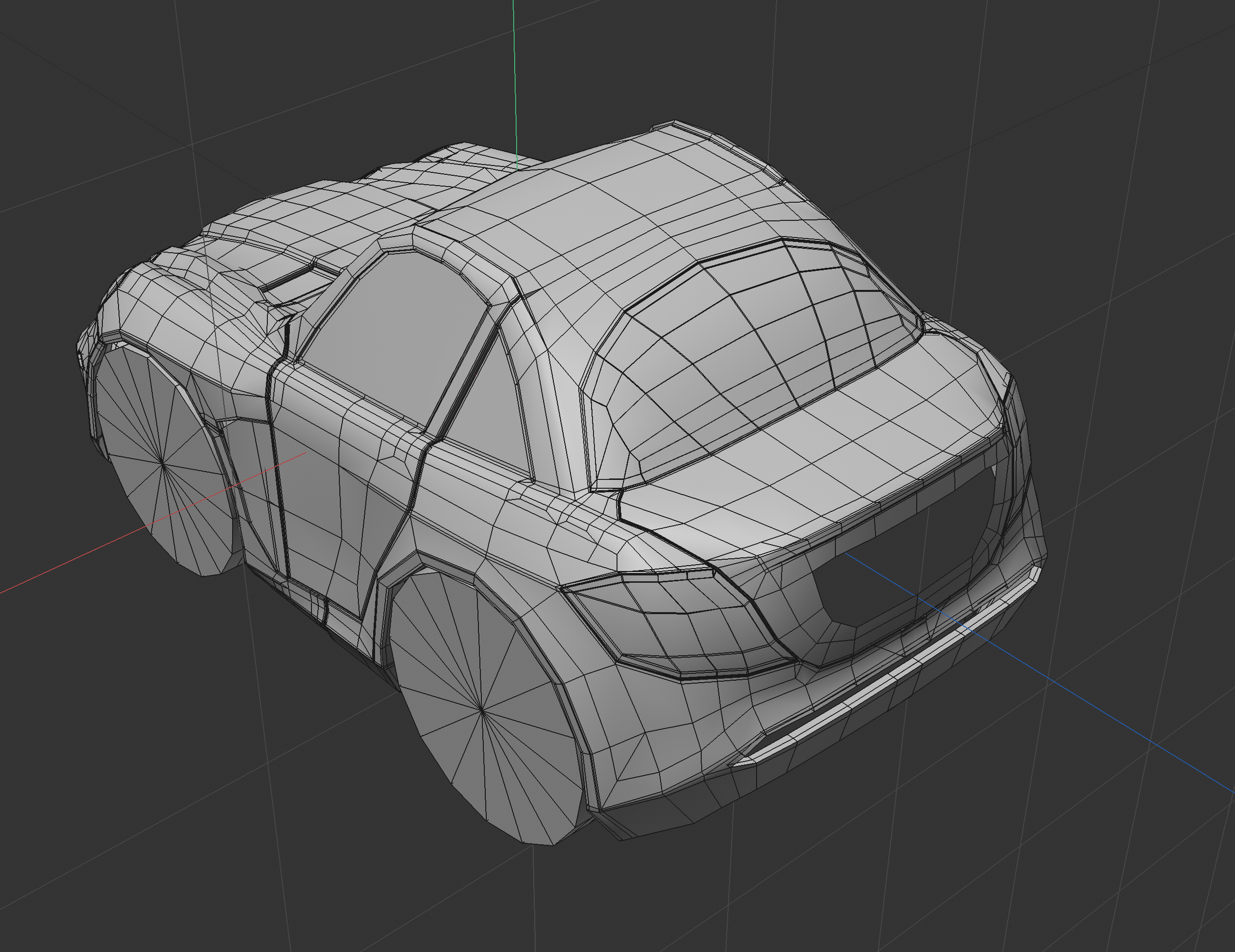
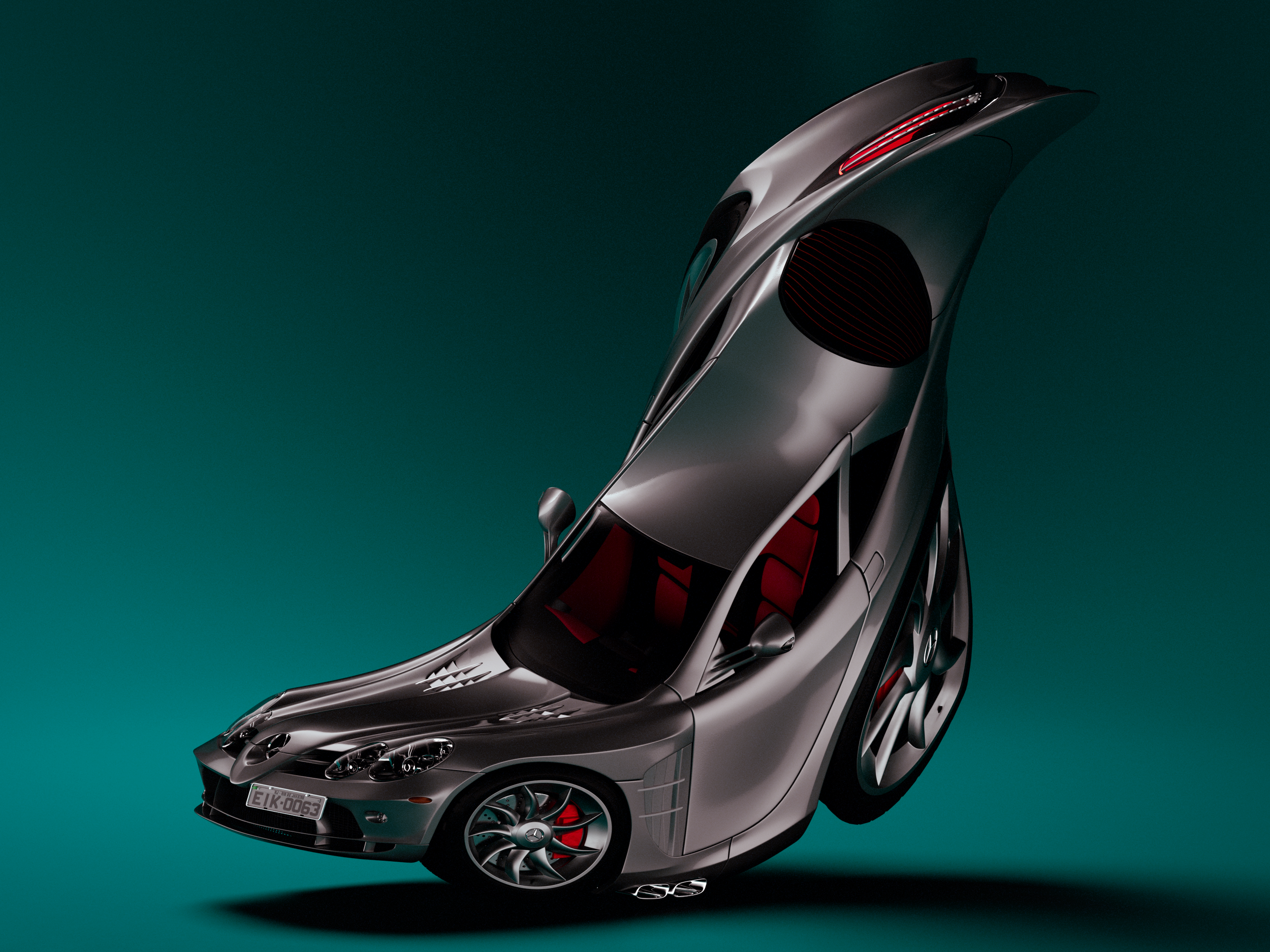
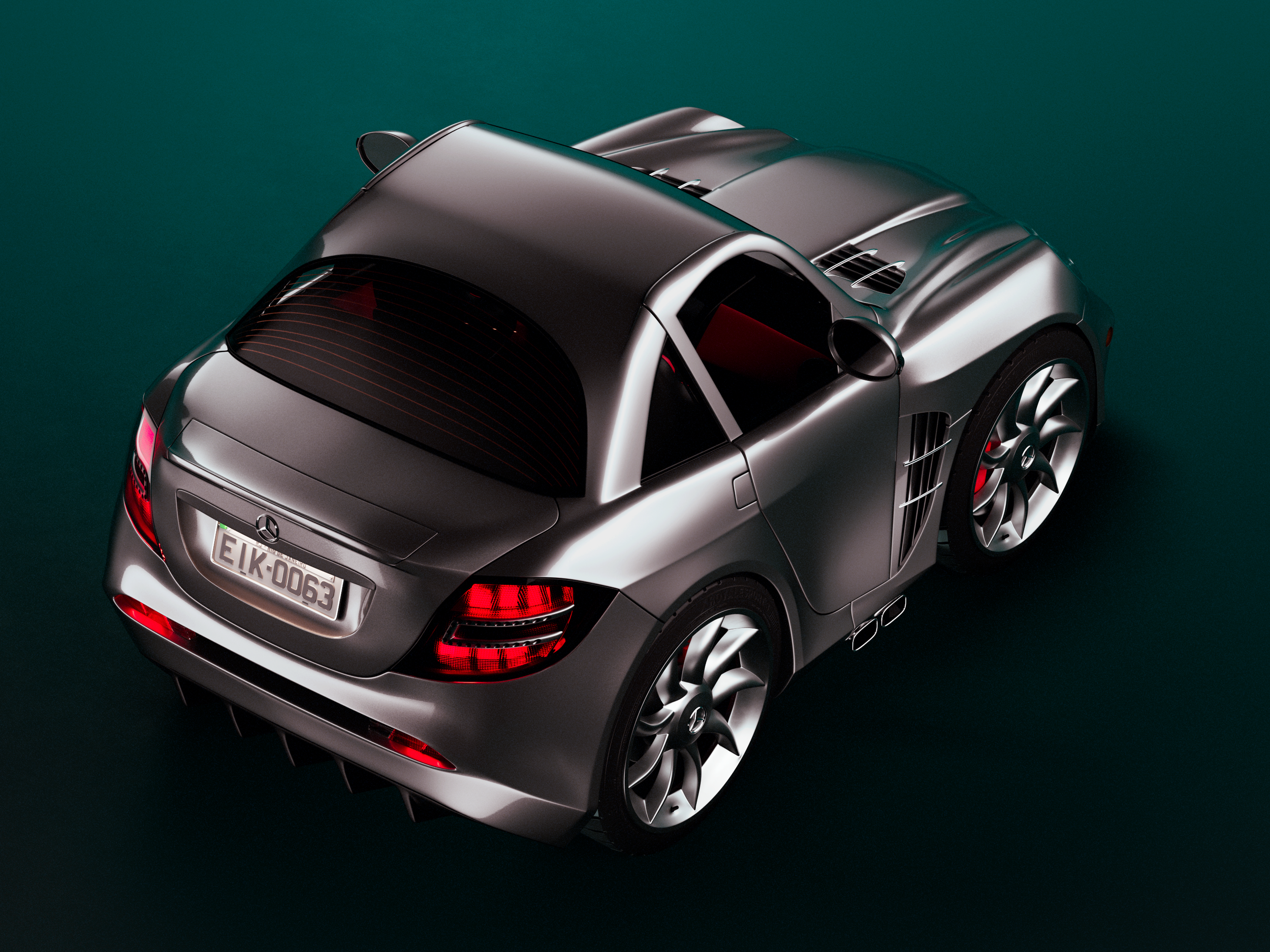
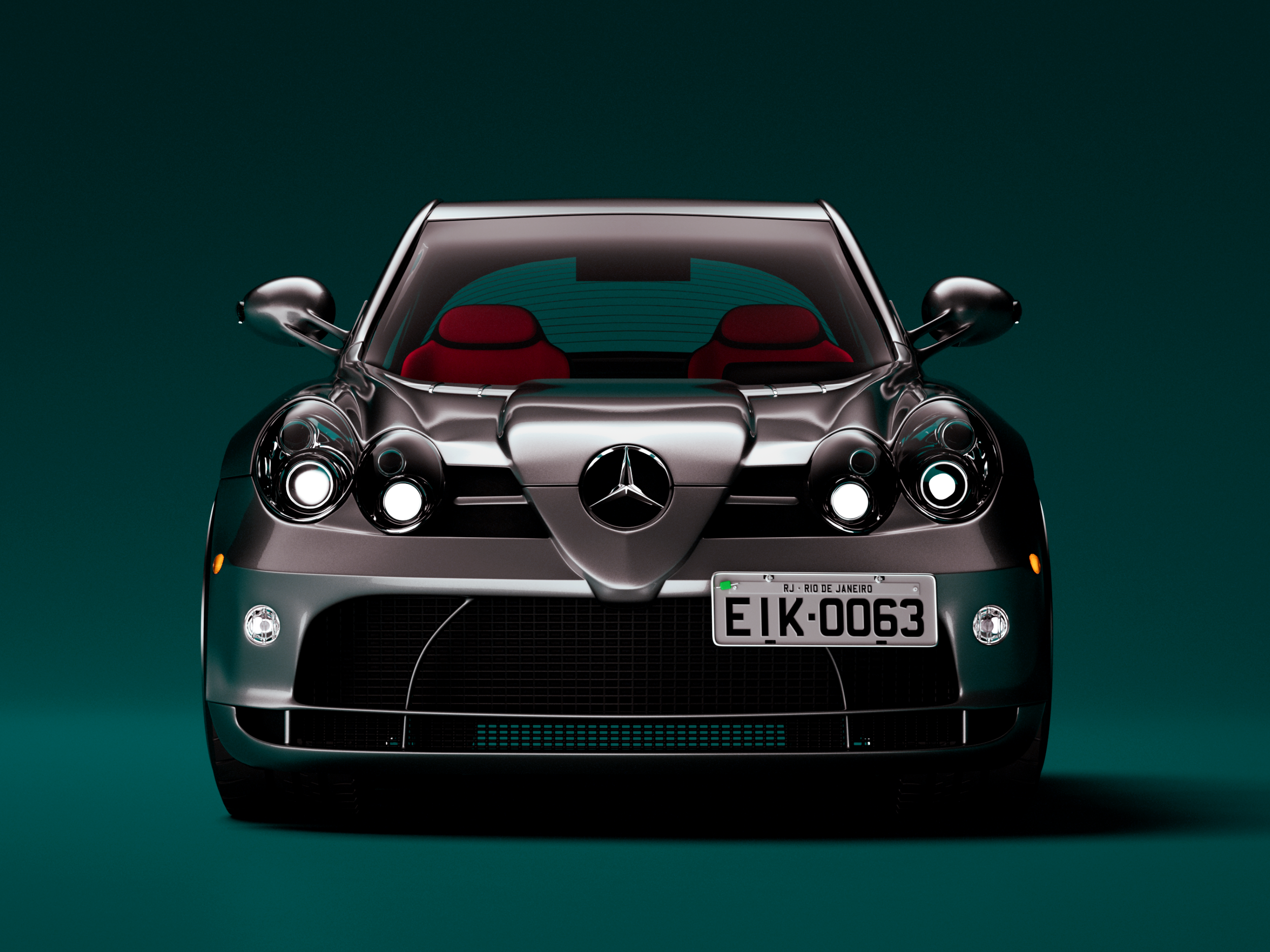
Mercedes Mclaren SLR, The Oligarch Cruiser.
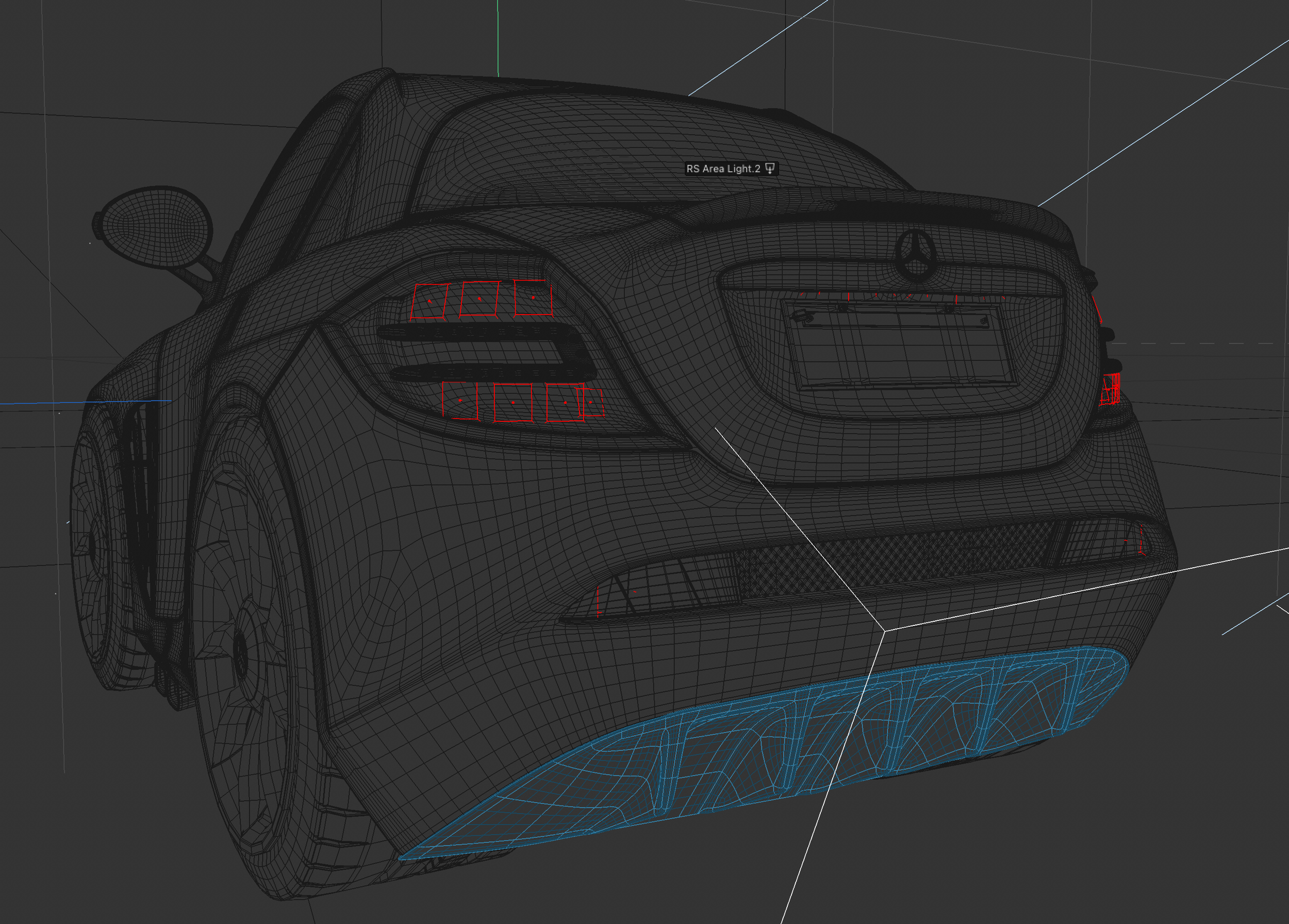
Launched in 2003 in partnership with McLaren, the Mercedes McLaren SLR marked the brand’s return to the supercar segment after years without a representative. Built entirely from carbon fiber, with a 626-horsepower engine, four side exhaust outlets, and upward-opening doors, it was a modern tribute to its 1955 predecessor.
At the same time, one face dominated the covers of Brazilian magazines and newspapers: Eike Batista. Son of Eliezer Batista, former Minister of Mines and Energy and president of the country’s largest steel company during the military dictatorship, Eike carried forward his father’s legacy, building an empire in mining and steel, connecting with global corporations such as BlackRock and Deutsche Bank, and receiving numerous subsidies from the Brazilian government. At the time, he was the richest man in Brazil and the seventh richest in the world.
Eike Batista
Thor Batista
On the night of Saturday, March 17, 2012, the paths of truck driver’s assistant Wanderson Pereira dos Santos and Thor Batista, the eldest son then aged 20, tragically crossed. Wanderson had left his home in Xerém, a humble neighborhood in the outskirts of Duque de Caxias, Rio de Janeiro, riding his bicycle to buy groceries for his mentally disabled uncle. On his way back, as he crossed a highway, he was struck head-on by the Mercedes SLR driven at high speed by Thor. The young driver had previously hit another person, accumulated numerous traffic violations and, in theory, should have been barred from driving.
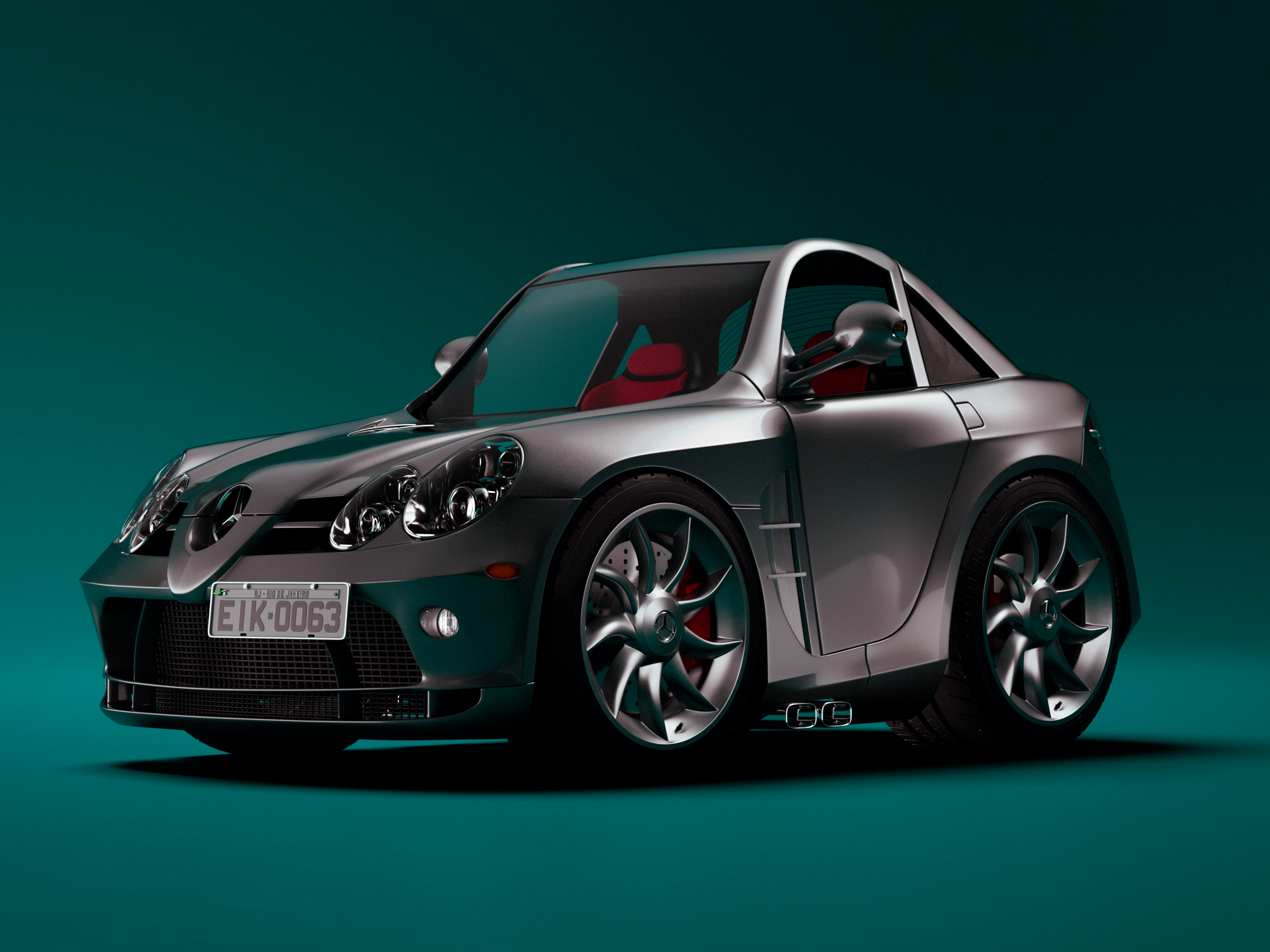
The force of the impact was such that the carbon fiber roof split in two, Wanderson’s foot was found hundreds of meters away, and his heart in the back seat of the car.
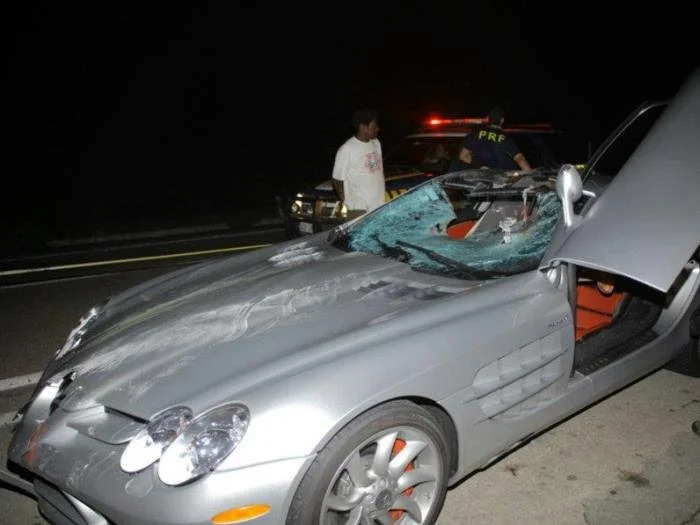
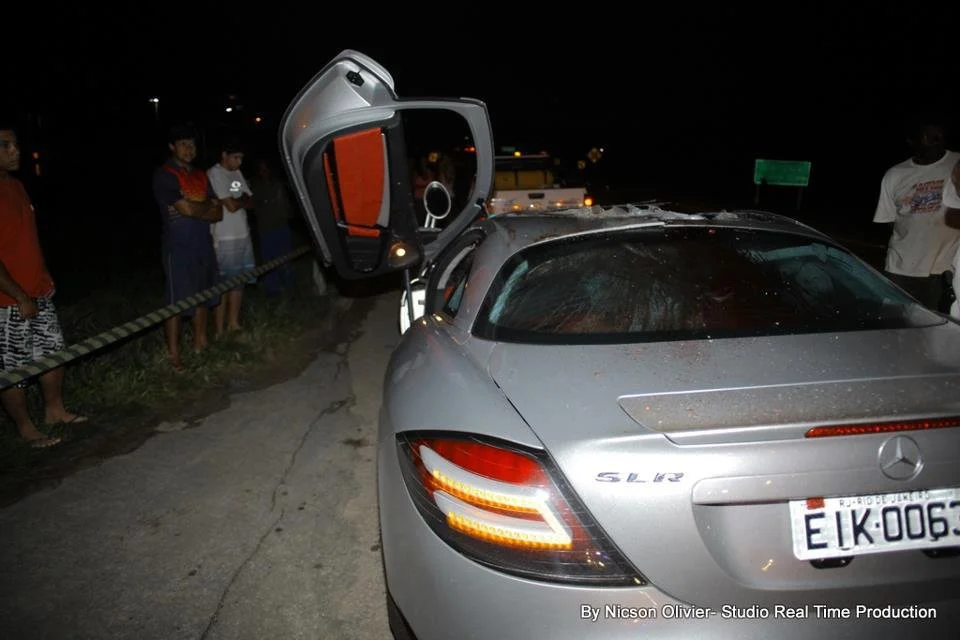
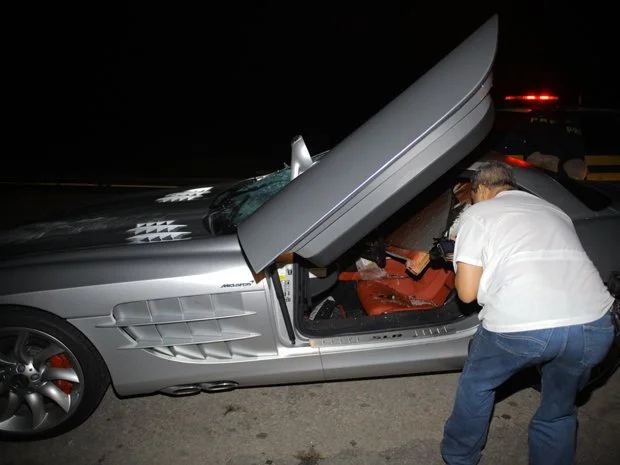
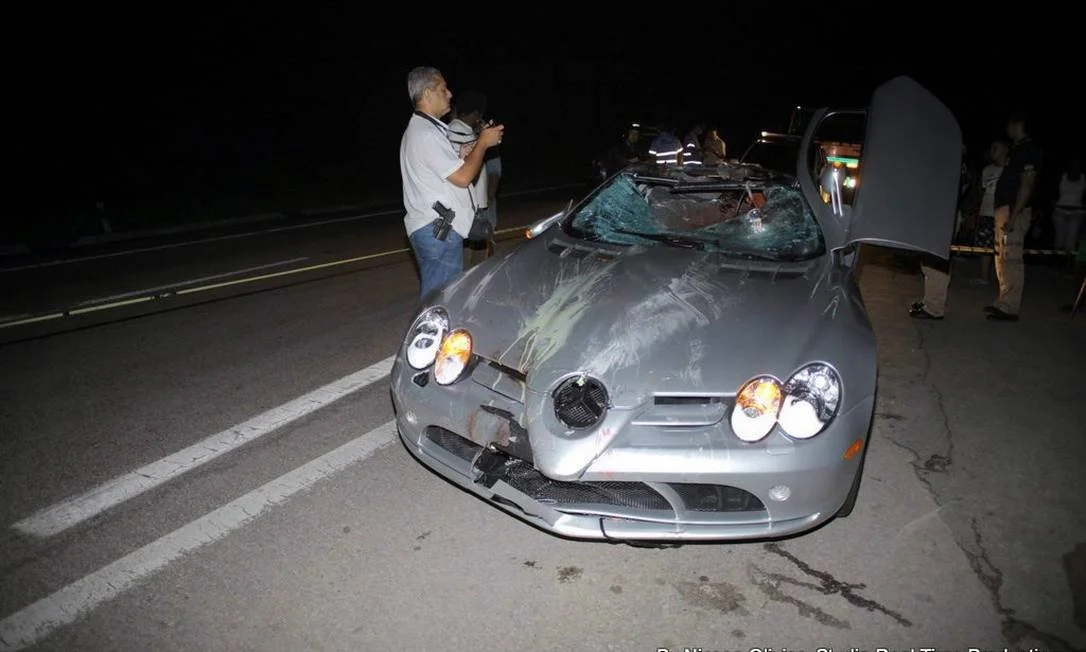
After the social uproar, Thor was ultimately absolved of the accident, but the Batista name was permanently tarnished. Beyond the crash, the family’s companies saw their growth reversed and were investigated for illegal loans. Years later, Eike himself was arrested in a huge corruption probe that implicated even the governor of Rio de Janeiro. He was sentenced to more than 30 years in prison, released after 90 days and is now attempting to launch his own cryptocurrency.
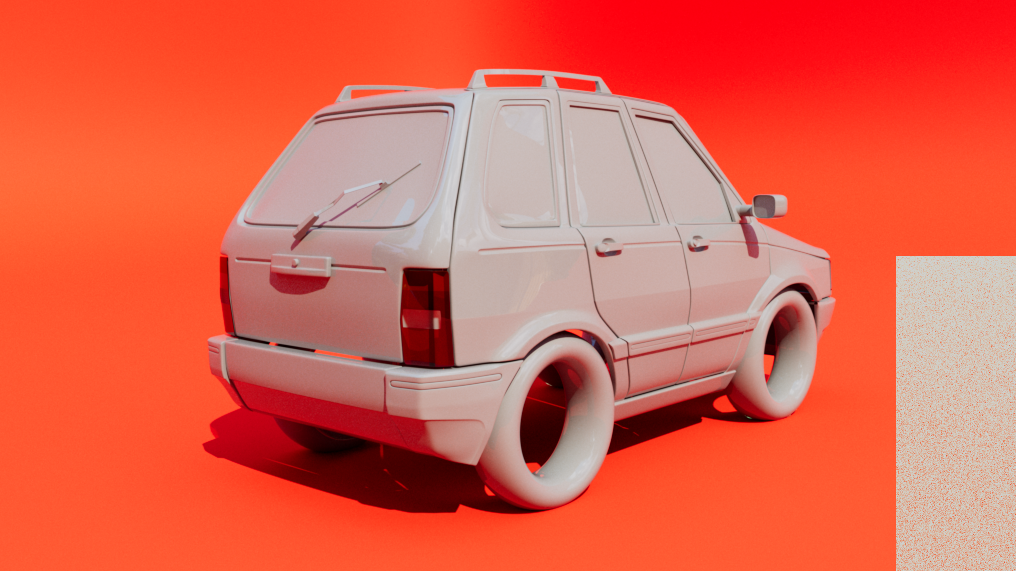
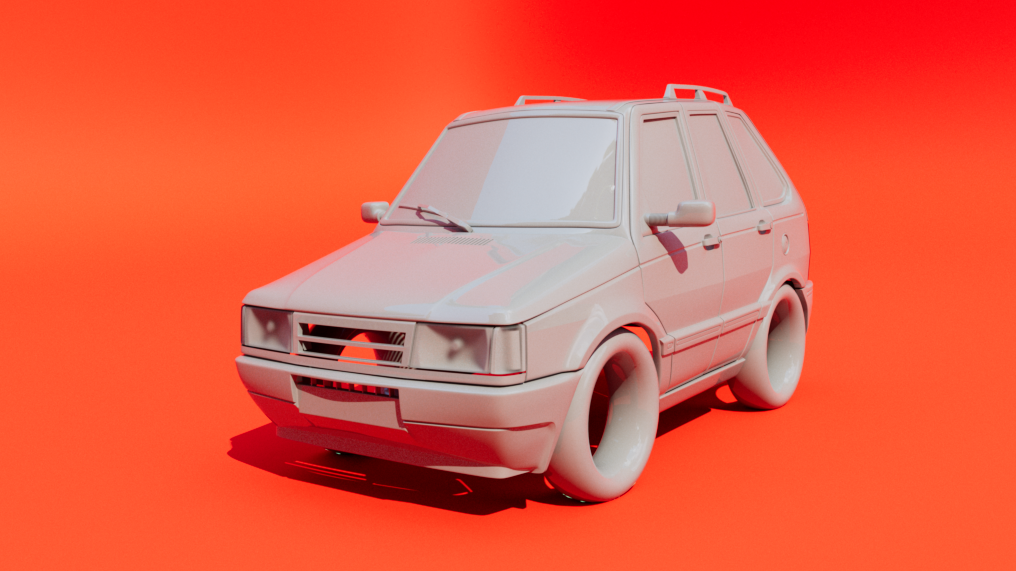
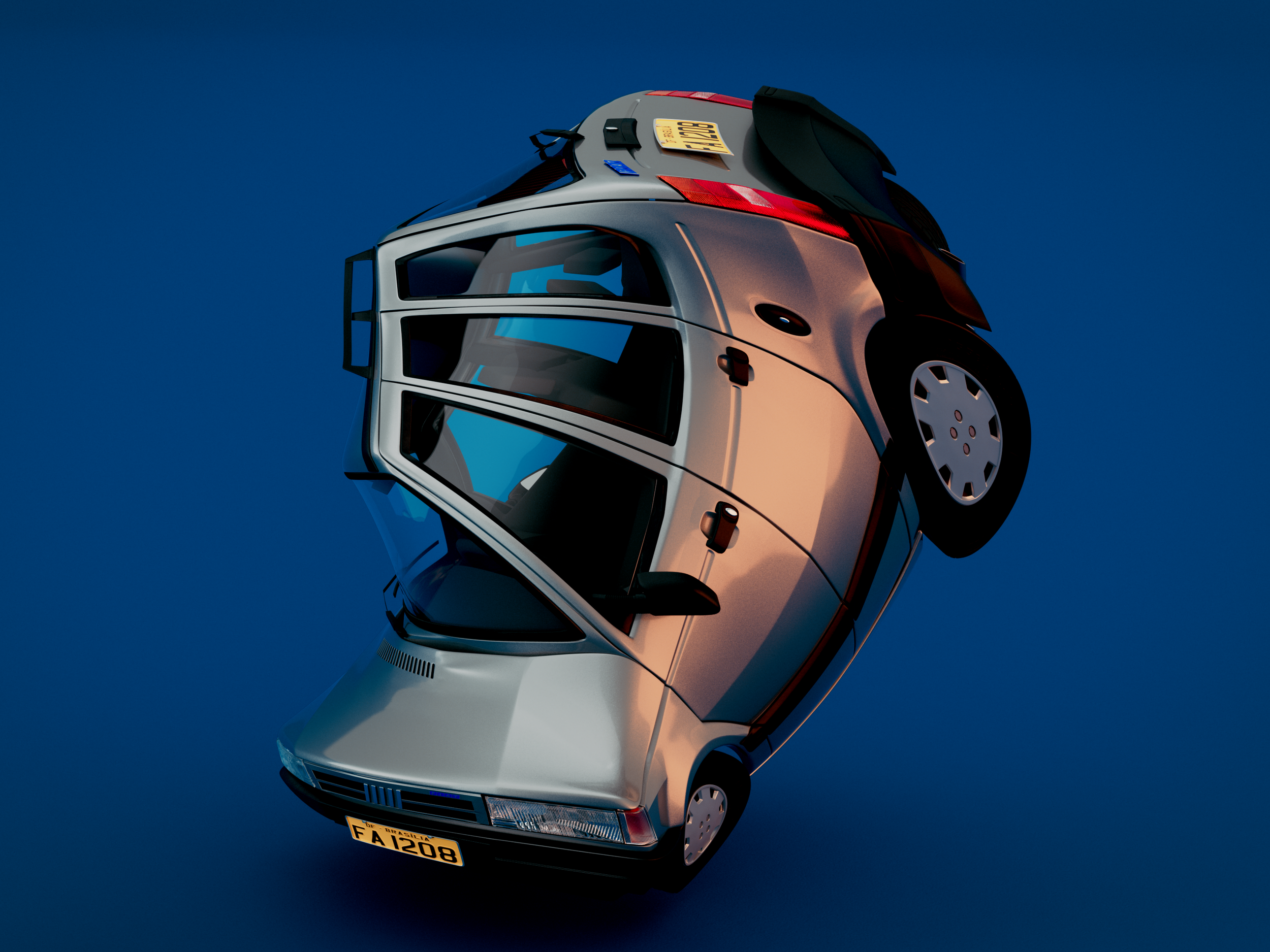
Fiat Elba, The Trojan Horse
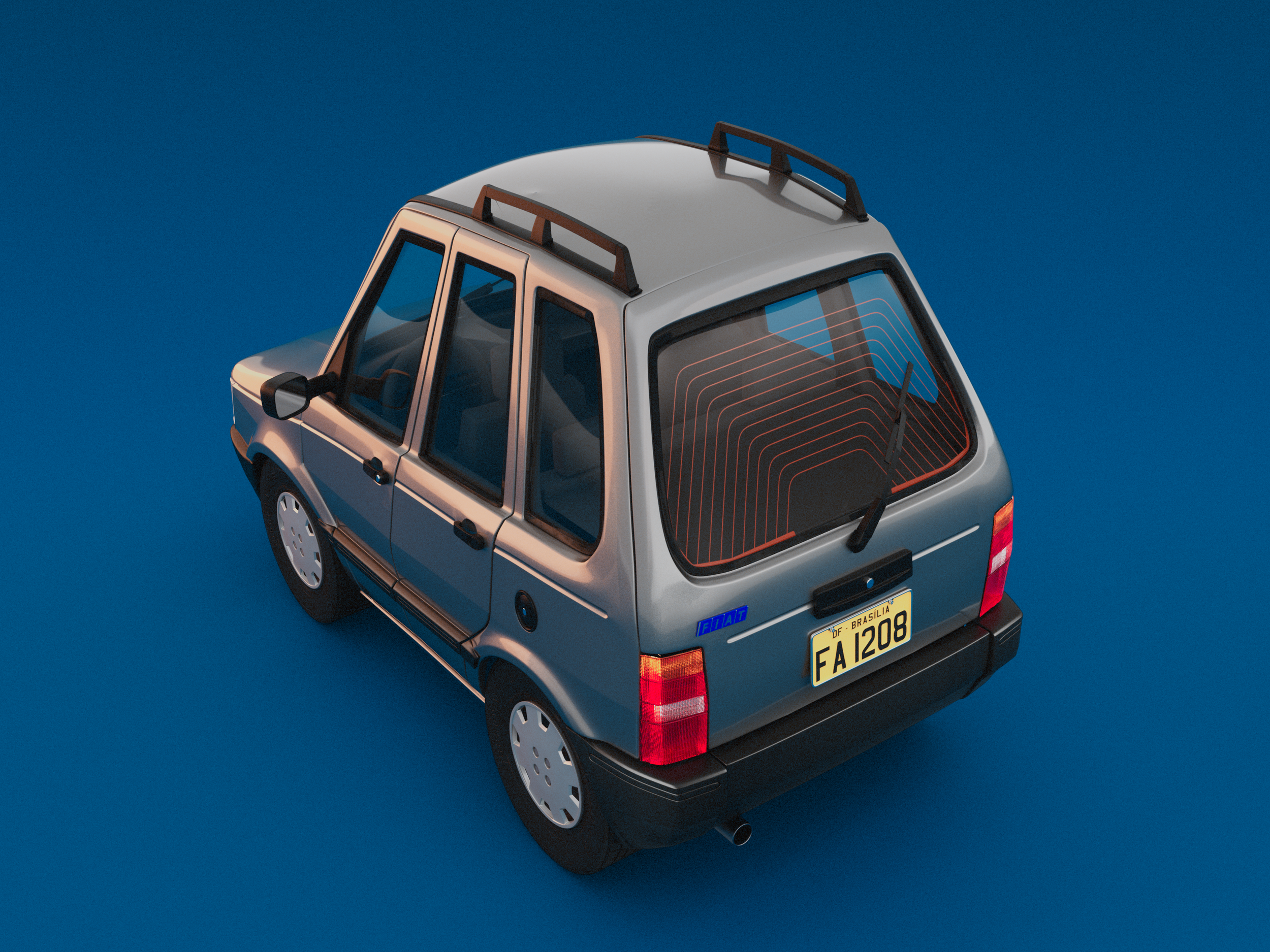
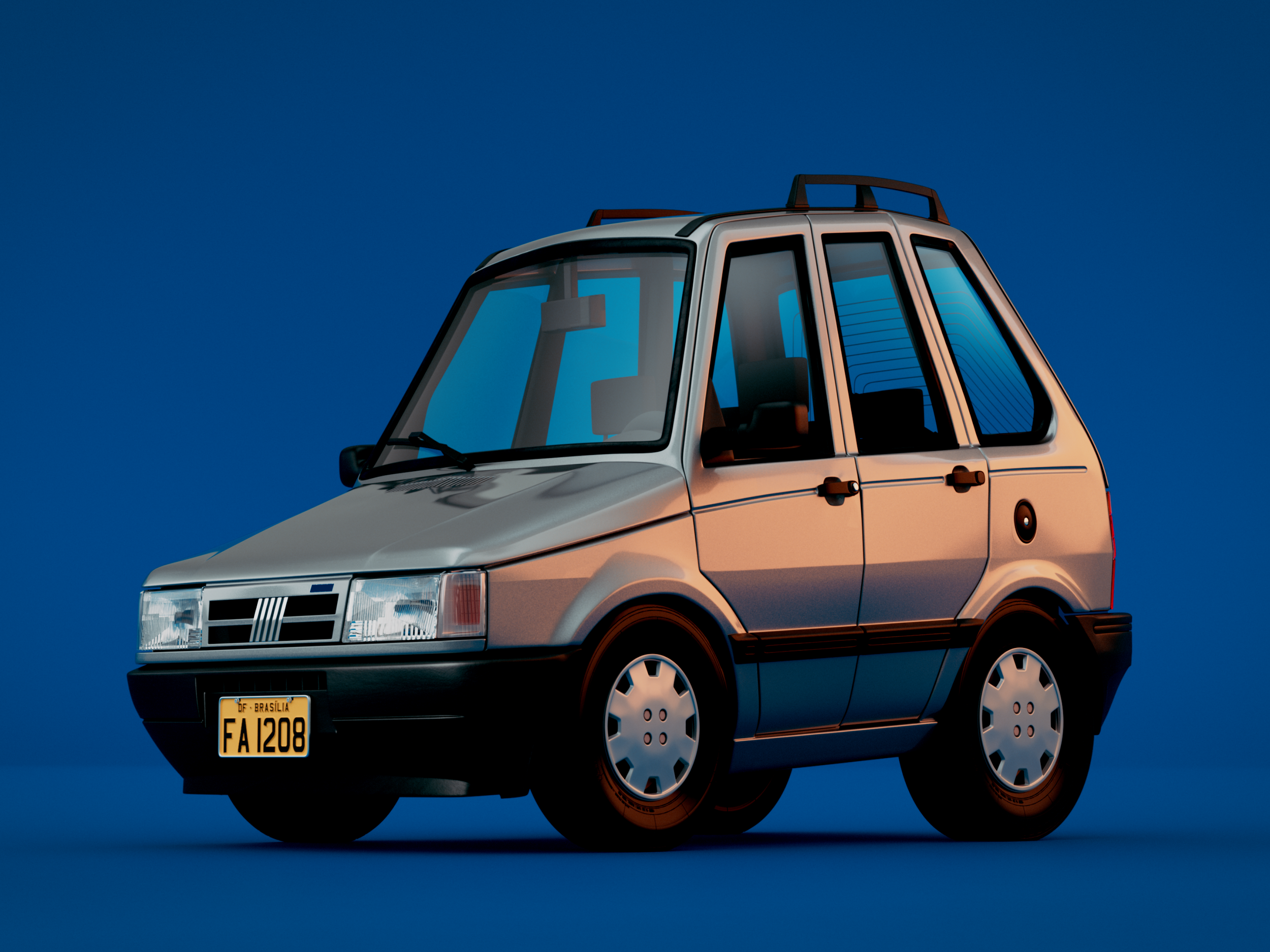
The launch of the Fiat Uno in 1984 marked one of the first times a car debuted simultaneously in Europe and Brazil. Designed by Giorgetto Giugiaro, the Uno captivated the Brazilian public with its modern lines, which highlighted the aging domestic automotive industry, still reliant on models from the 1960s and 1970s. The Fiat Elba, a station wagon version of the Uno, was entirely developed in Brazil.
Designed for families, it offered low cost, a spacious trunk, and comfort. Its release also reflected the climate of national industrial pride during Brazil’s transitional period: although the military regime had ended, the country had yet to consolidate a full democracy, and incentives for local production were seen as symbols of modernization and industrial autonomy.
A few years later, in a Brazil embracing redemocratization, Fernando Collor de Mello, a young and charismatic politician from Alagoas, assumed the presidency in 1990. With a neoliberal agenda and promises of modernity, he won over voters, despite coming from a traditional northeastern dynasty, long associated with political and economic power dating back to colonial times. His father, Arnon de Mello, was a controversial figure, known for assassinating another senator in Congress, being absolved, and later re-elected.
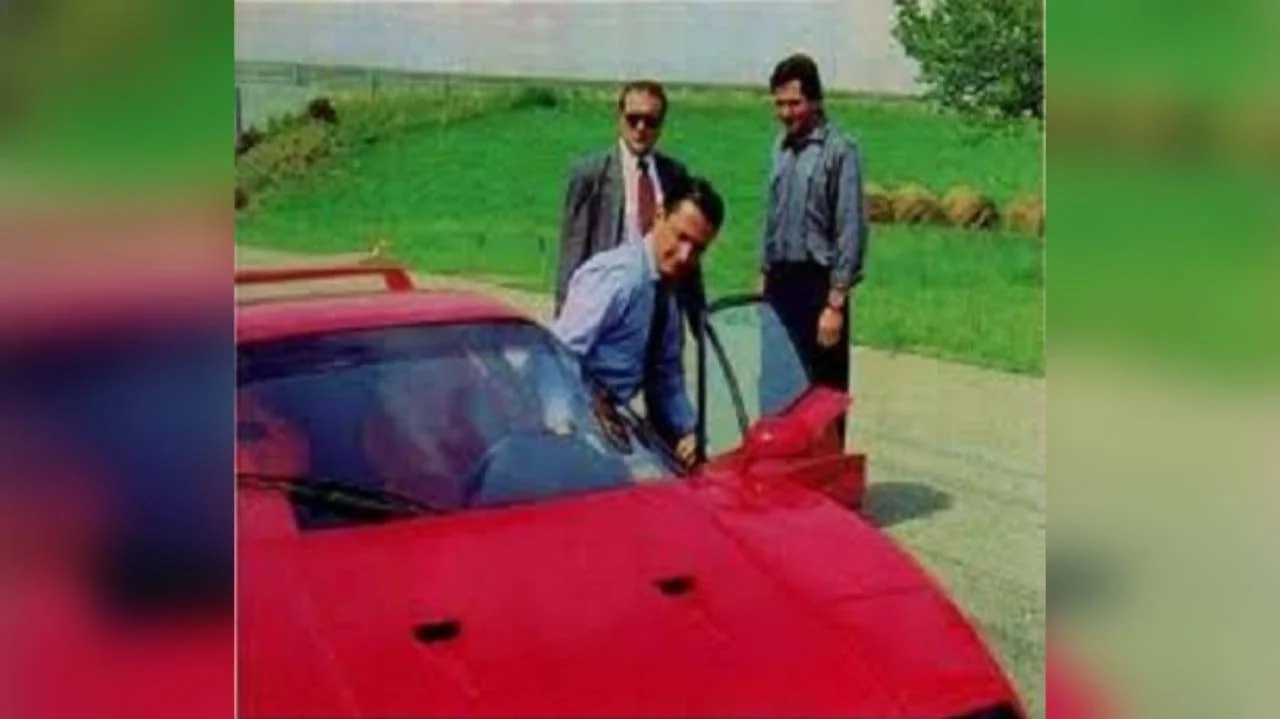
During his term, which lasted less than three years, Collor gained notoriety for controversial measures such as freezing private savings and opening the market to international trade. A lover of luxury cars and a critic of domestic models, which he dismissively called “carts,” he was seen driving a Ferrari F40 brought by Fiat reportedly a reward for lowering taxes on 1.000cc cars, a segment exclusively offered by the brand.
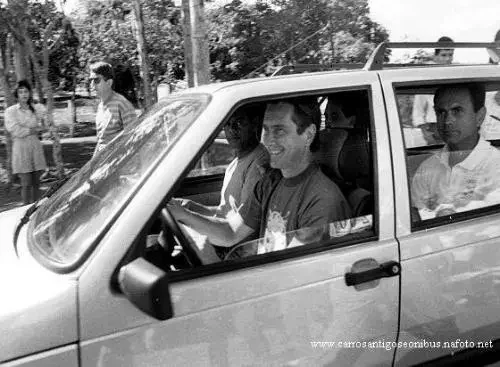
Economic mismanagement and successive corruption scandals eroded his support. Months before his impeachment, his brother Pedro gave a bombshell interview implicating Collor and his notorious treasurer, PC Farias, in corruption and influence trafficking.
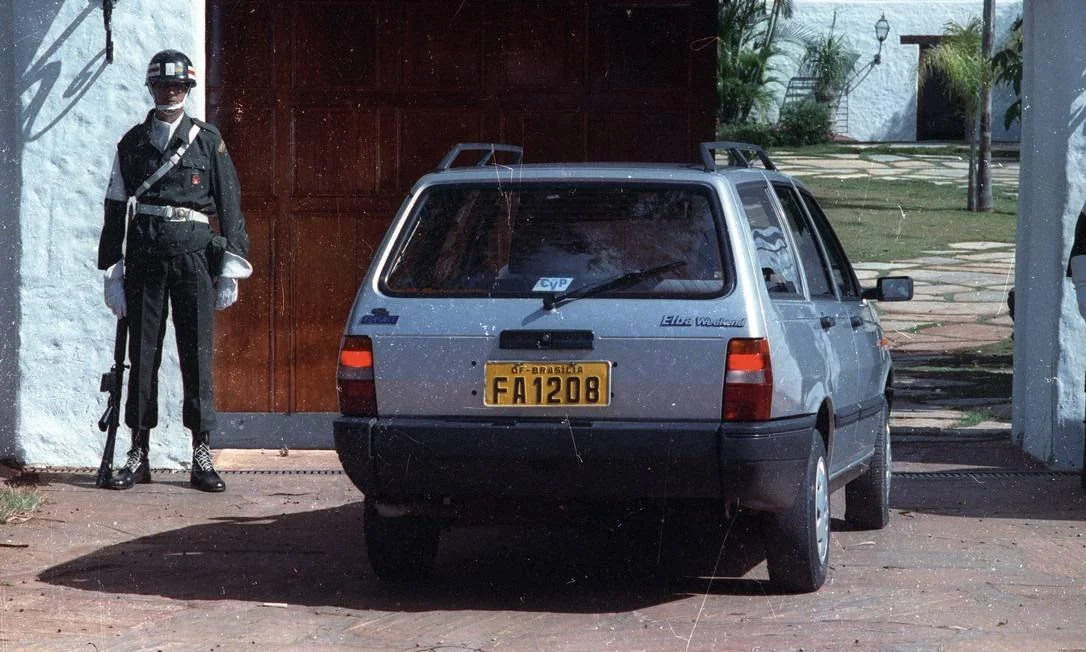
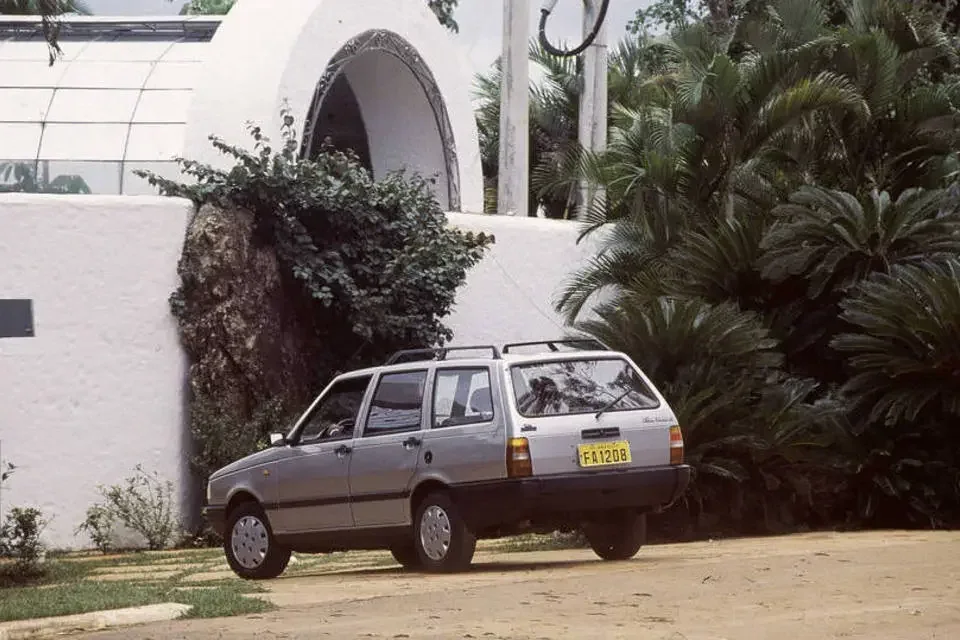
The scandal that ultimately led to Collor’s resignation involved the purchase of a Fiat Elba with illicit funds by PC Farias, who was later murdered under unclear circumstances. The Elba, a simple family car, thus became a symbol of one of the most notorious episodes in Brazilian political history.
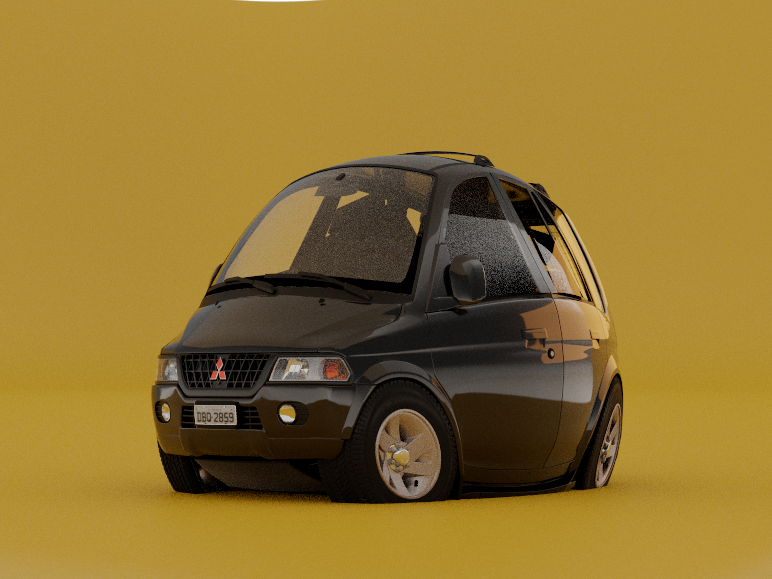
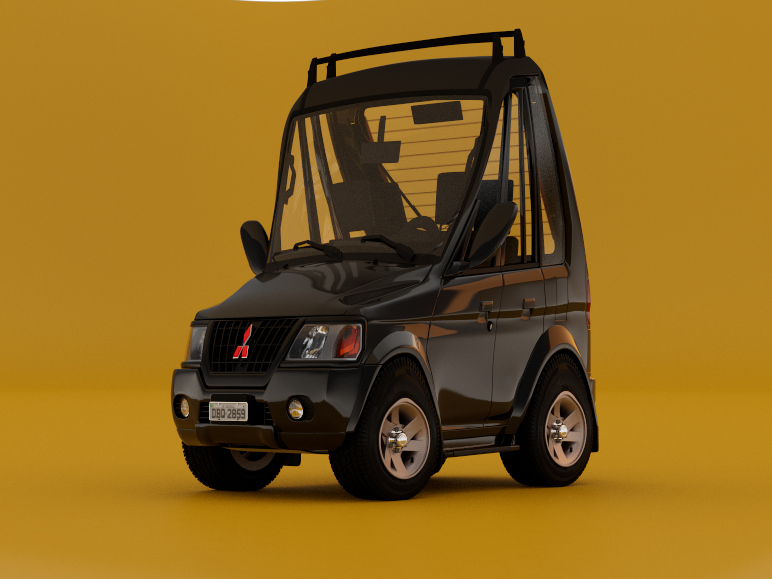
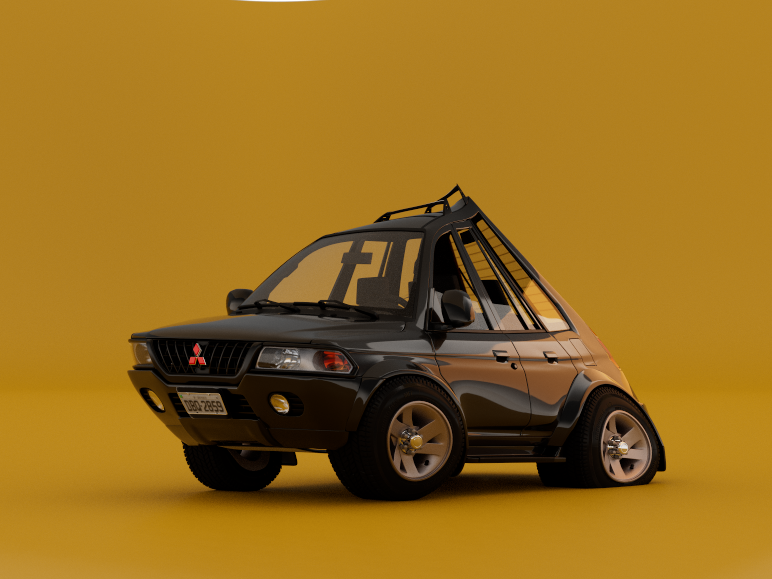
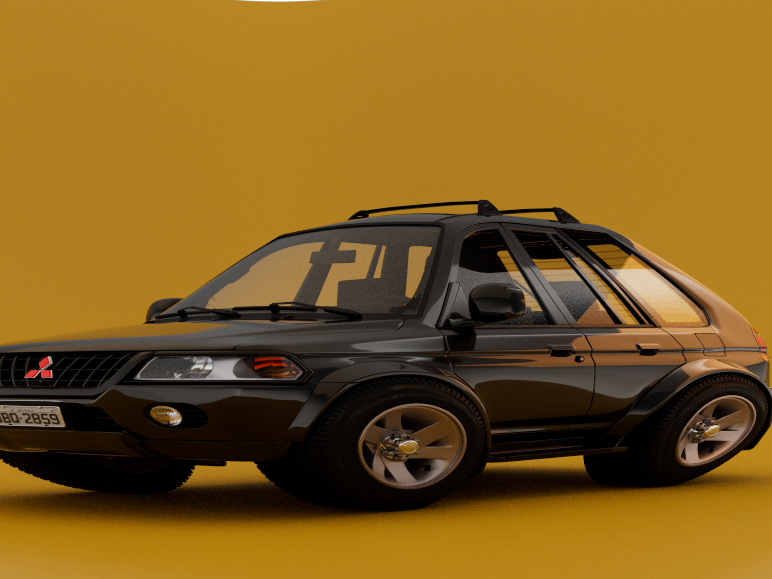
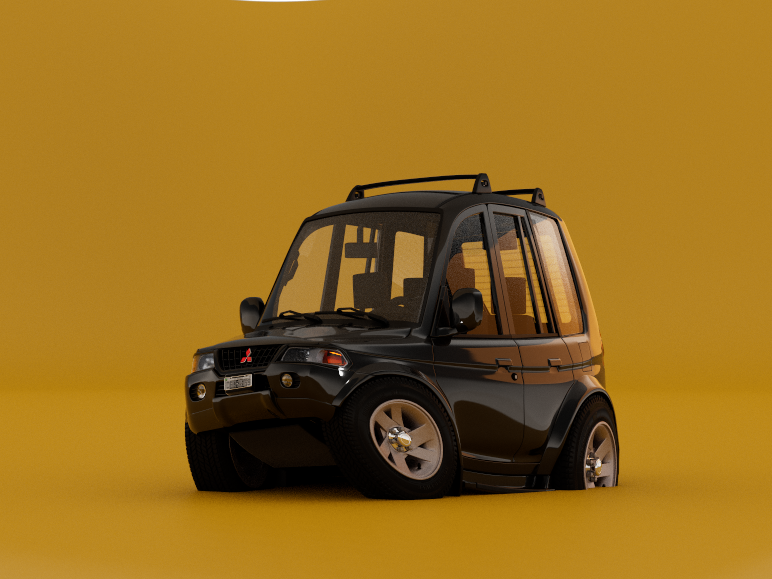
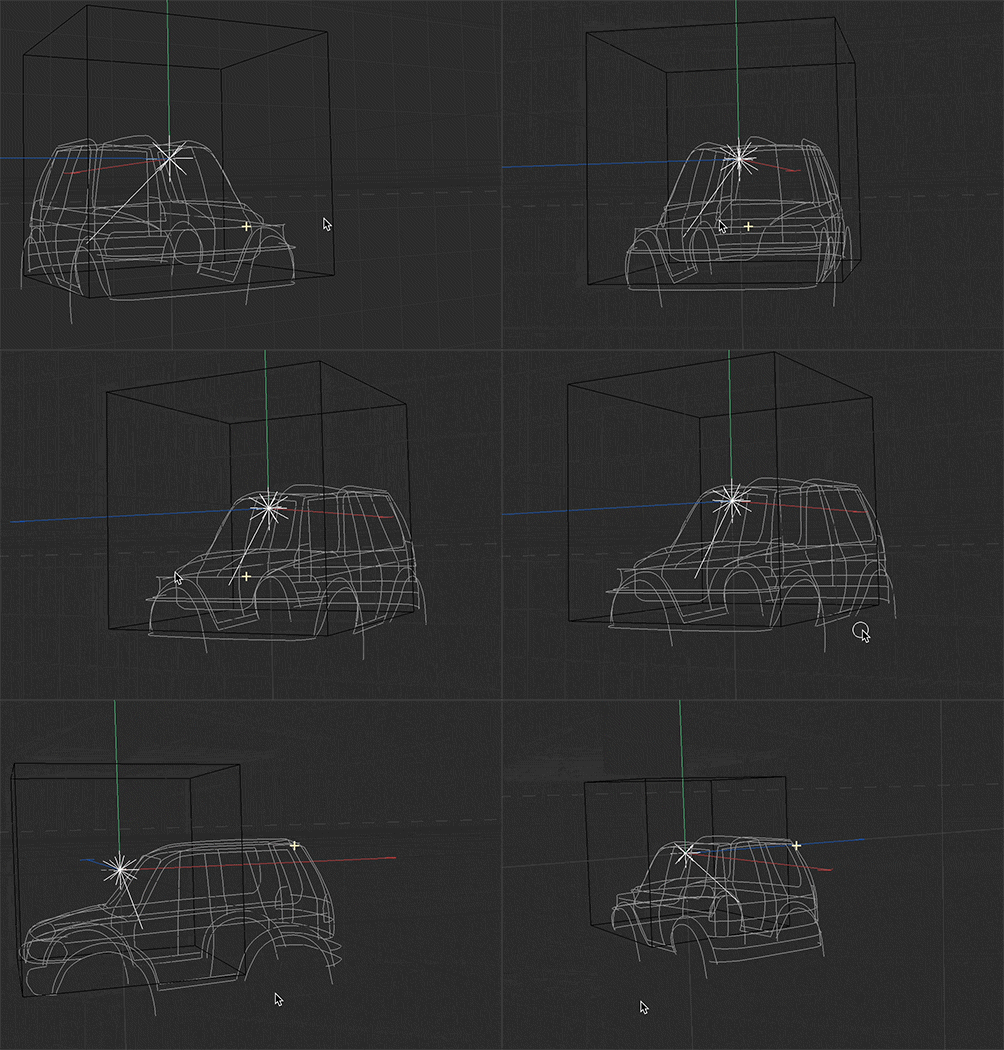
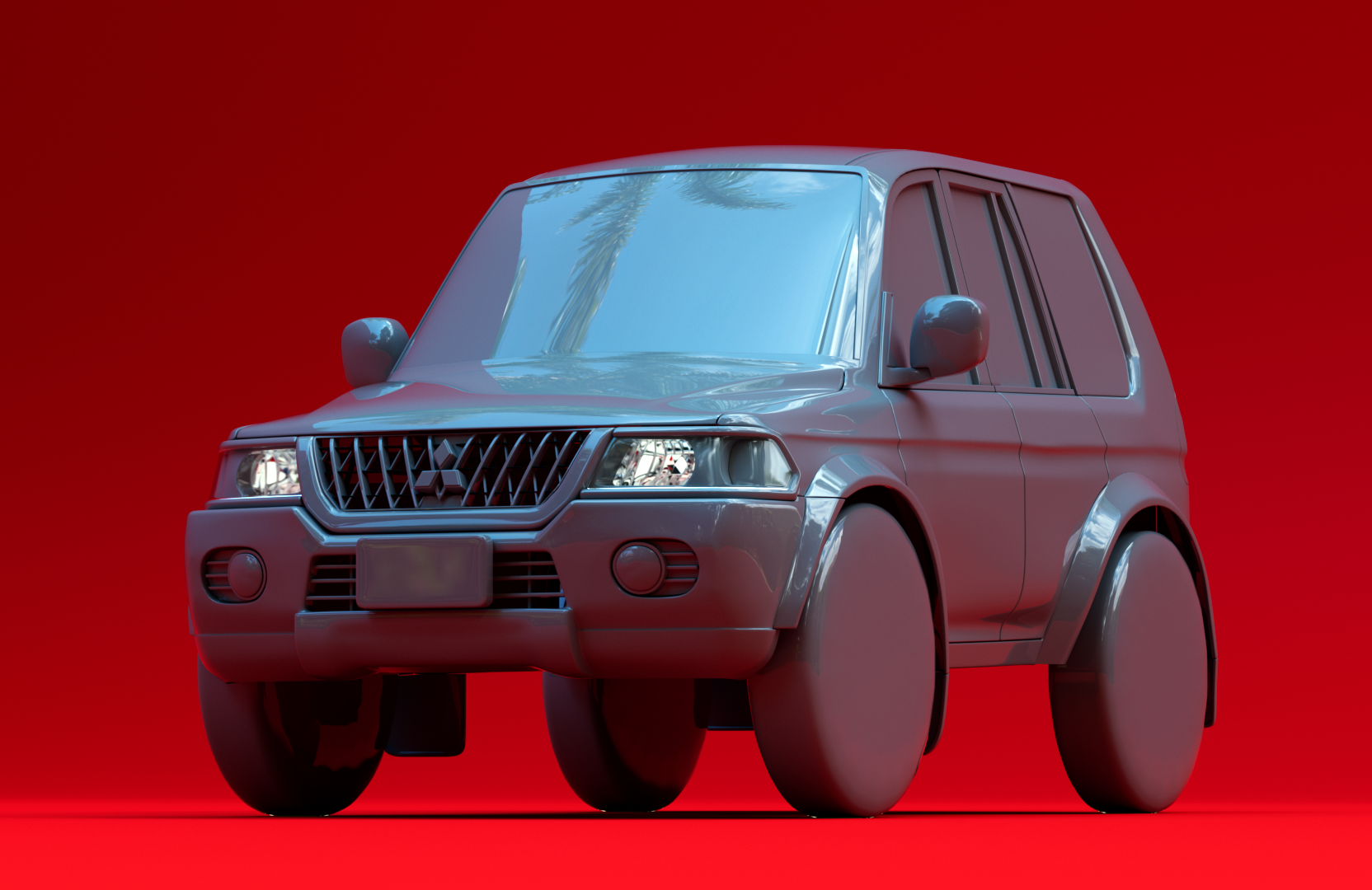
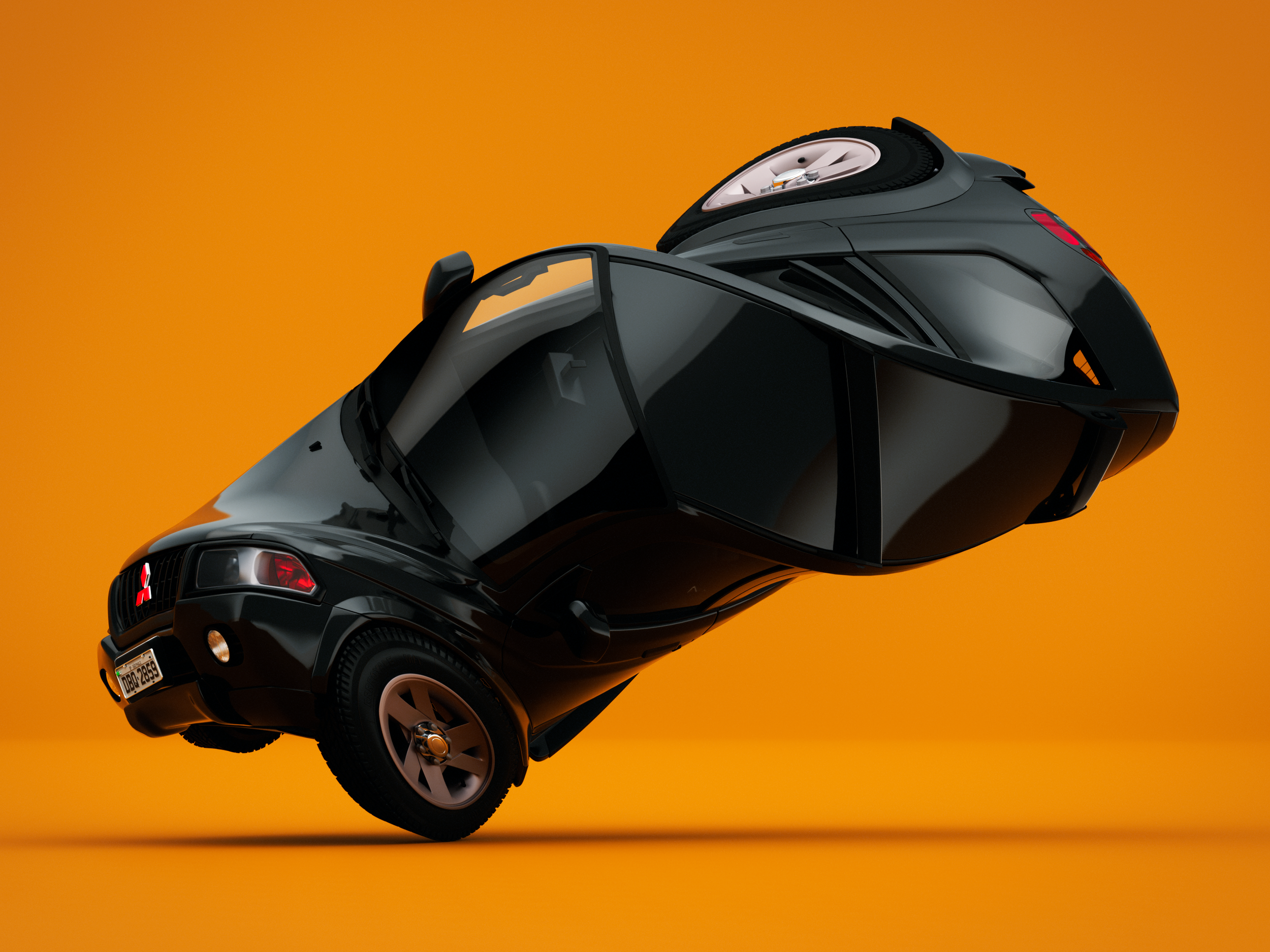
Mitsubishi Pajero, The Tank for the elites.
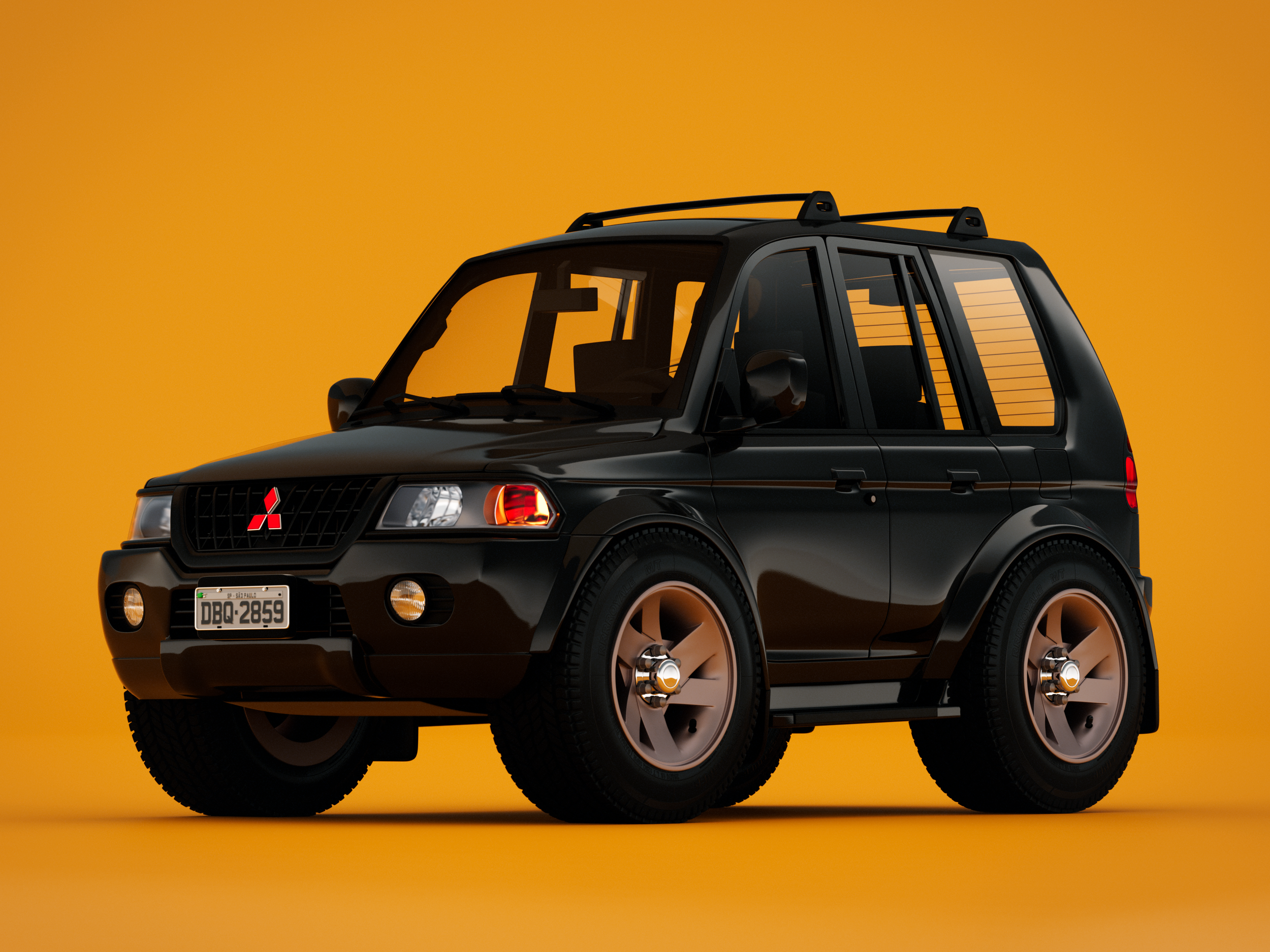
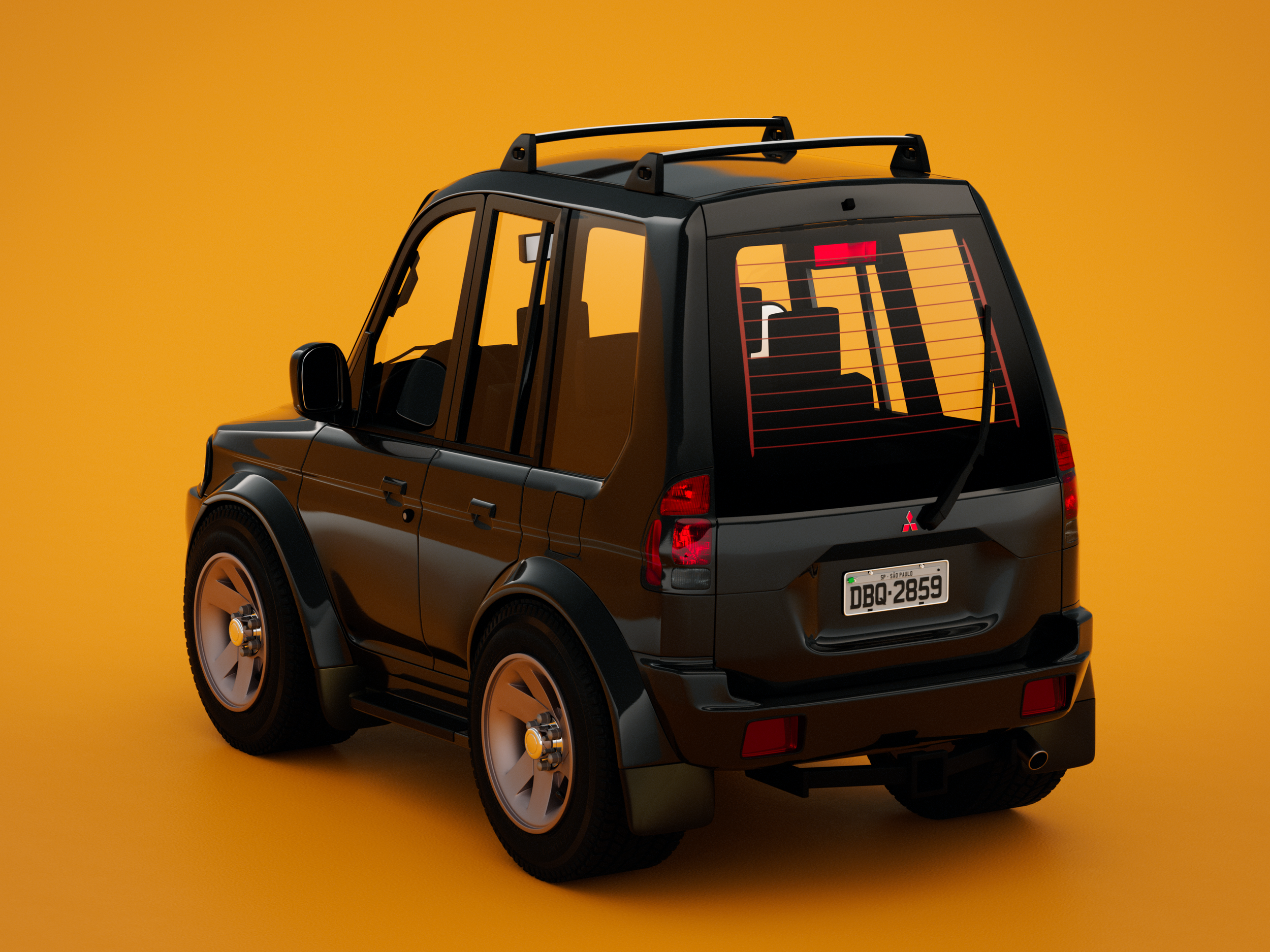
After the end of Brazil’s military dictatorship, vehicle imports were once again permitted, and with them came a new symbol of status: the SUV. Among the many models arriving in the country, one quickly became an object of desire: the Mitsubishi Pajero. A new presence on Brazilian streets, it combined aggressive design, a six-cylinder engine, four-wheel drive, and reliable mechanics, standing in stark contrast to domestically produced cars. It captured the public’s imagination and, inevitably, the attention of criminals.
In one of the most unequal countries in the world, a new market soon emerged: armored vehicles. Owning an SUV signified power and prestige; owning an armored SUV, in a grim reflection of the times, elevated that status even further.
On January 19, 2022, Celso Daniel, then mayor of Santo André, an industrial city in the metropolitan region of São Paulo, went out to lunch with his aide, Sérgio Gomes da Silva, known as “Sombra”. As they left the restaurant and entered Sergio’s armored Pajero, three cars began following them. The vehicle’s armor withstood the initial gunfire, but according to Sombra, a transmission failure caused the Pajero to stall in the middle of the street. Still surrounded, the car allegedly suffered a door-locking malfunction, allowing the attackers access to the interior.
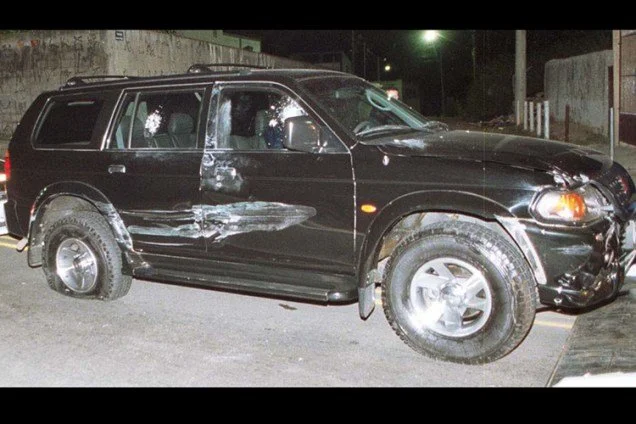
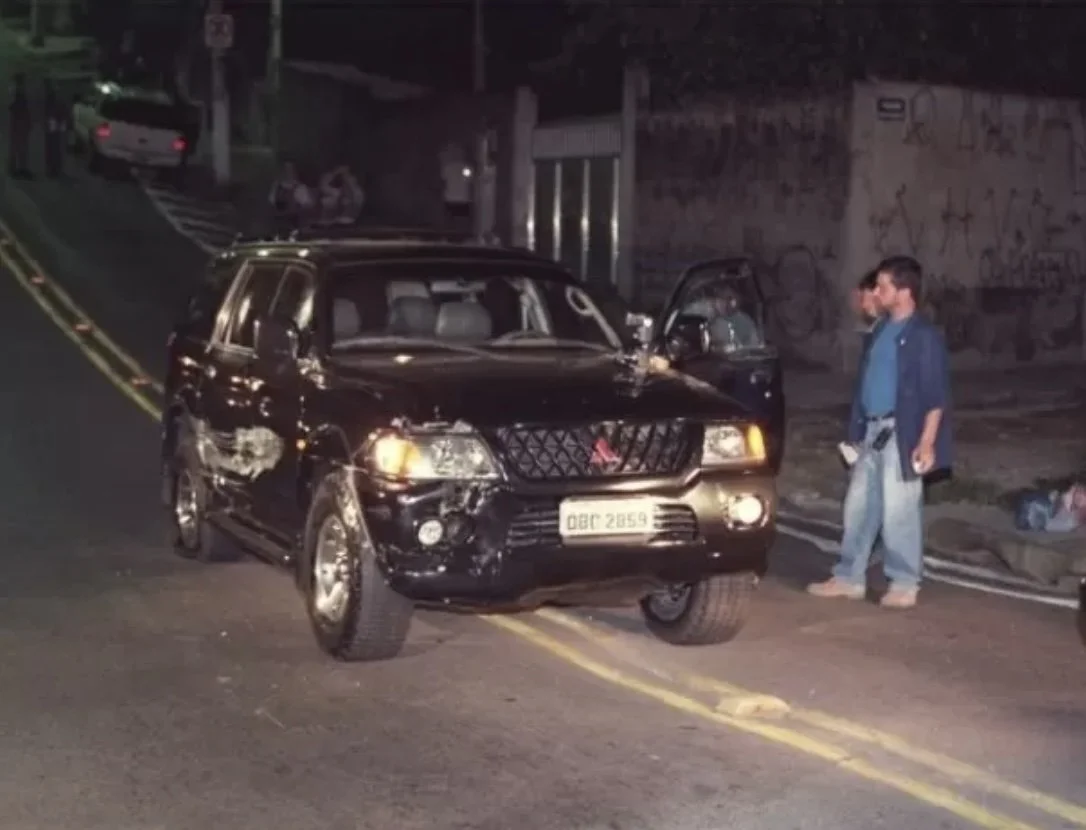
Only Celso Daniel was taken. Days later, his body was found on a dirt road on the outskirts of São Paulo, bearing clear signs of torture. The murder shocked the country. Police classified the crime as a failed kidnapping.
At the time, Daniel was serving his third term in a city deeply tied to the Workers’ Party (PT), near the party’s birthplace and dominated by industry and labor unions. He had been investigating corruption schemes involving members of his own party.
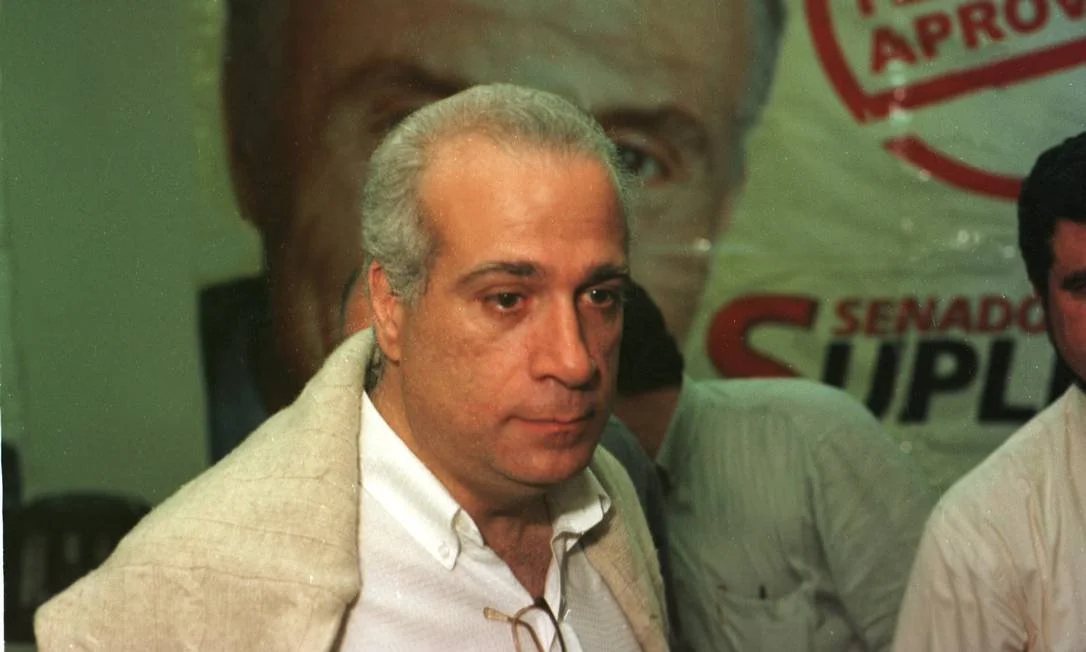
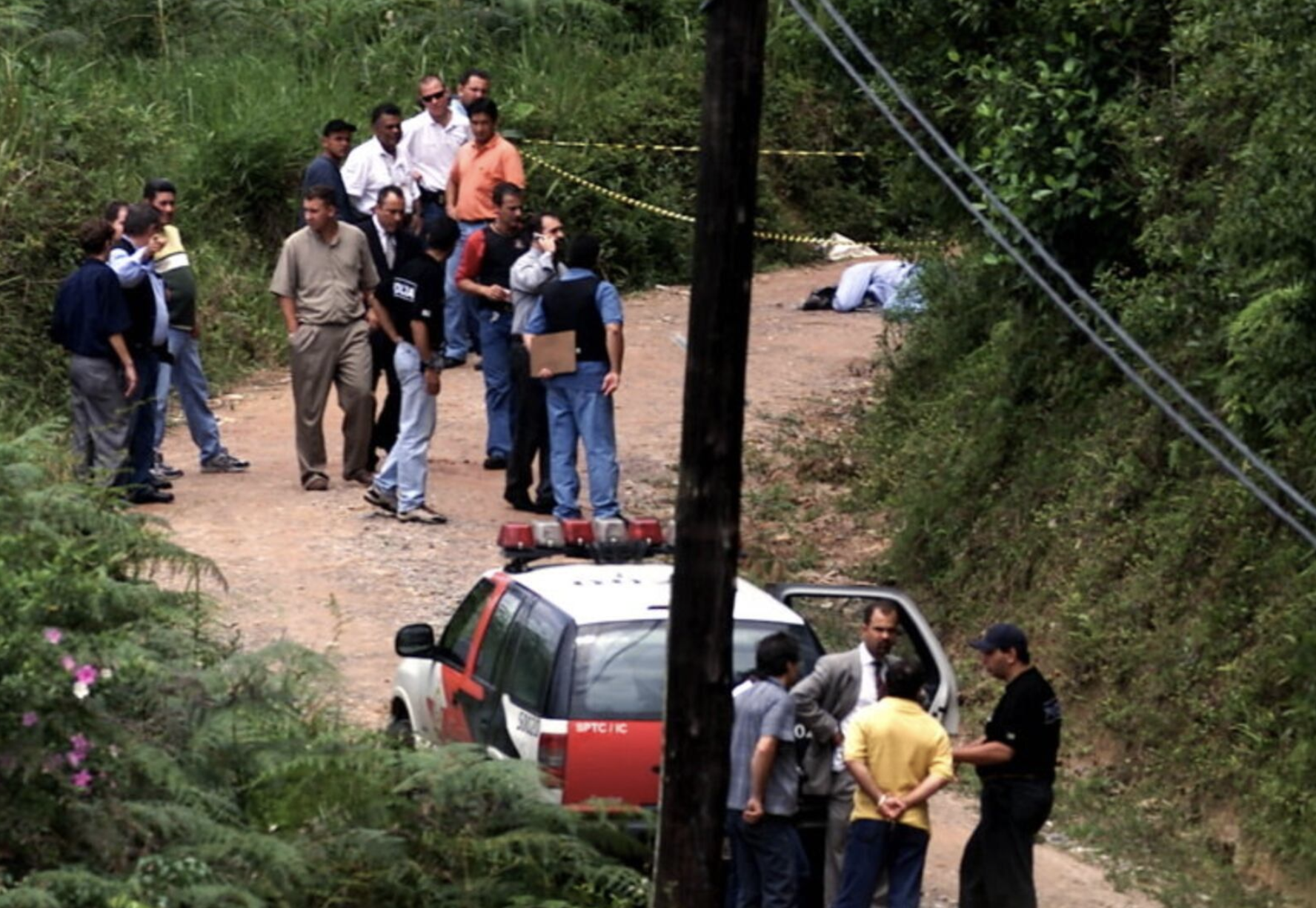
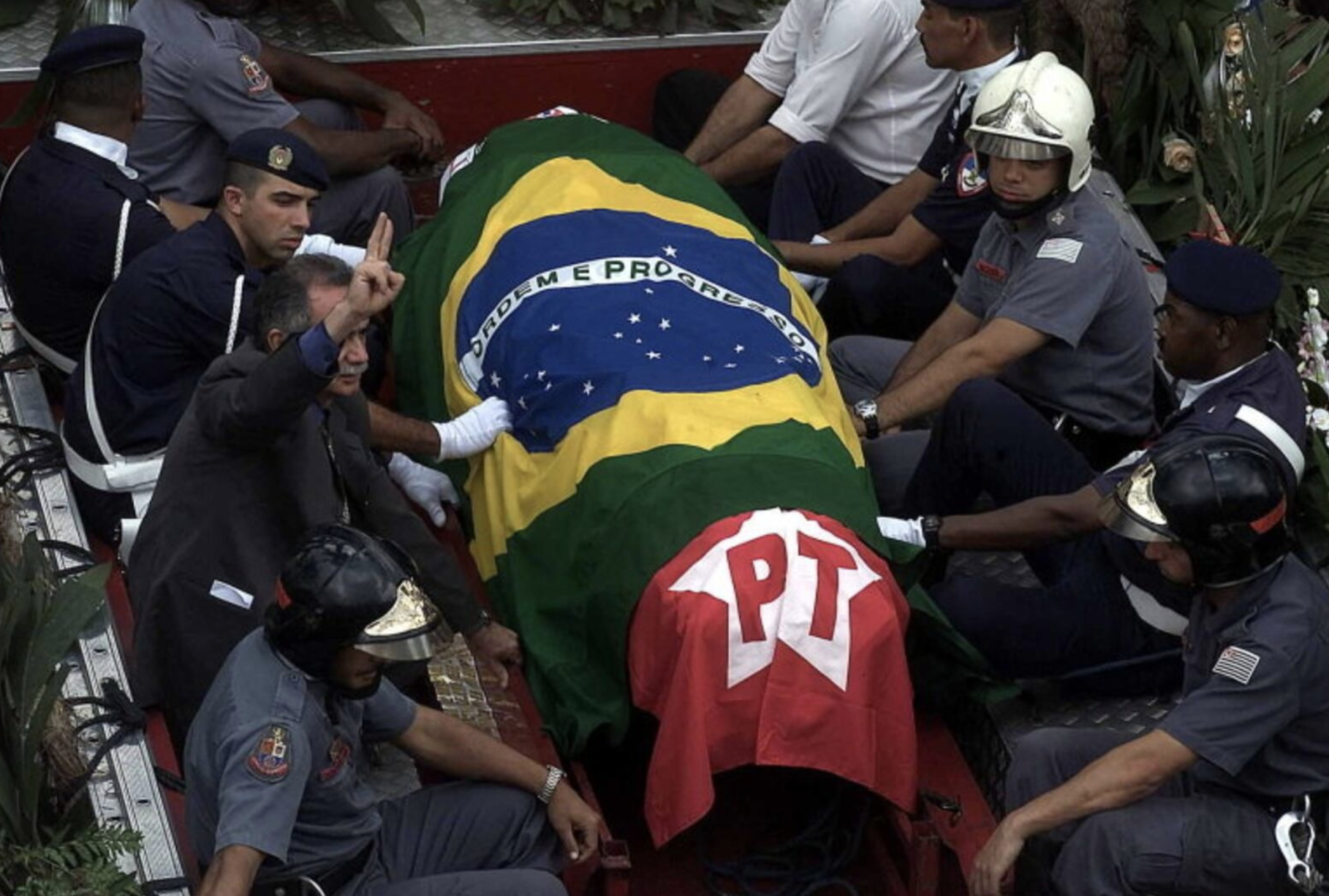
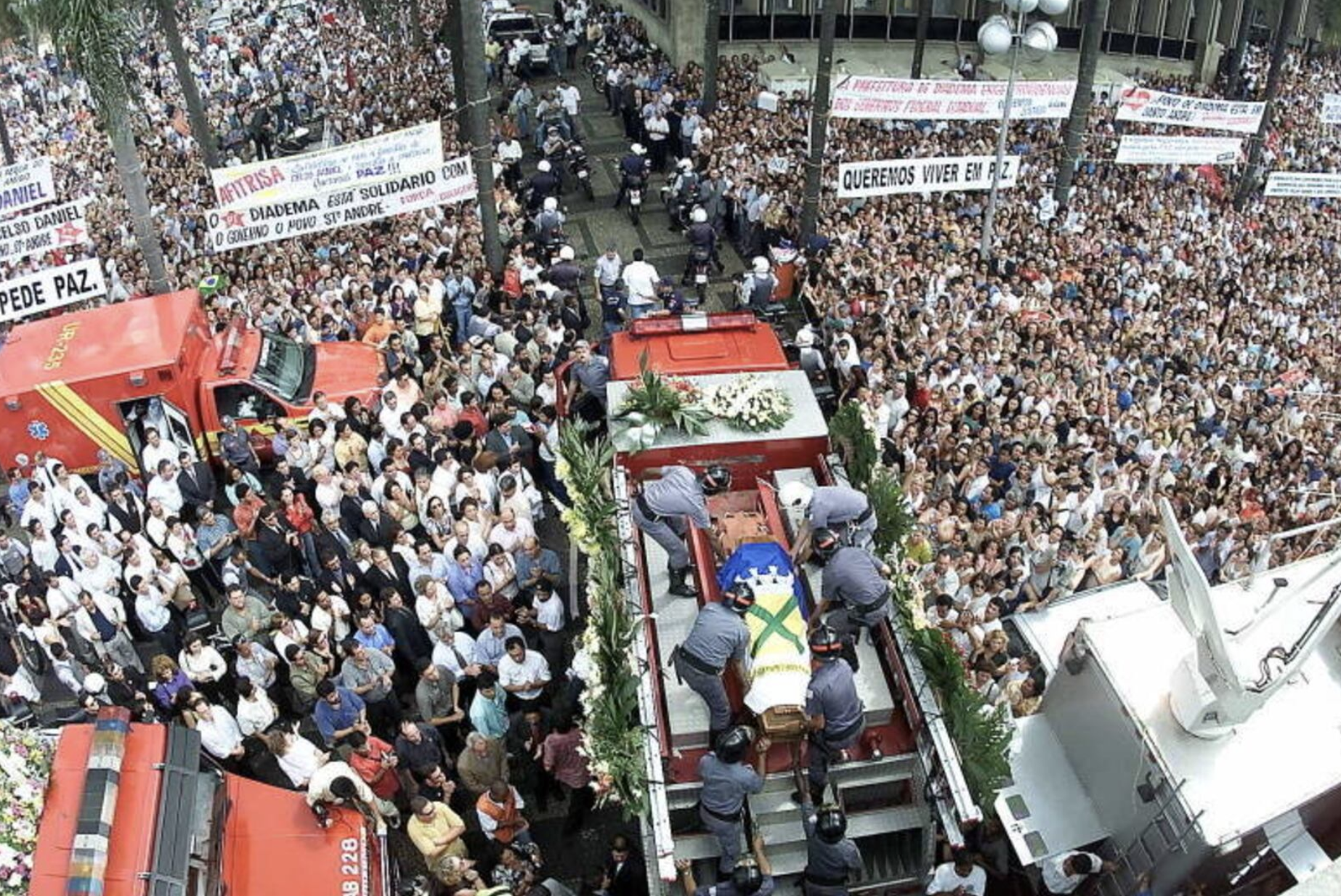
In the months that followed his death, a systematic “cleanup” eliminated all those connected to the case, including the medical examiner who conducted the autopsy and even the waiter who had served the men shortly before the abduction.
The case was never solved. It remains one of the darkest and most unsettling episodes in contemporary Brazilian politics.
ongoing project
Production: